


Dilijan is most often associated with lush forests, charming old streets, and ancient monasteries. But if you look a little closer, you’ll discover another fascinating layer of the town’s identity—its Soviet architectural heritage.
During the second half of the 20th century, Dilijan developed into a renowned spa town, a cultural center, and a retreat for artists and intellectuals. Many buildings and monuments from that era have survived to this day. Some continue to serve their original purpose, others have been carefully reimagined, while many have become defining elements of the town’s landscape.
If you’d like to experience a different side of Dilijan, start with these places.
1. “50 Years of Soviet Armenia” Monument
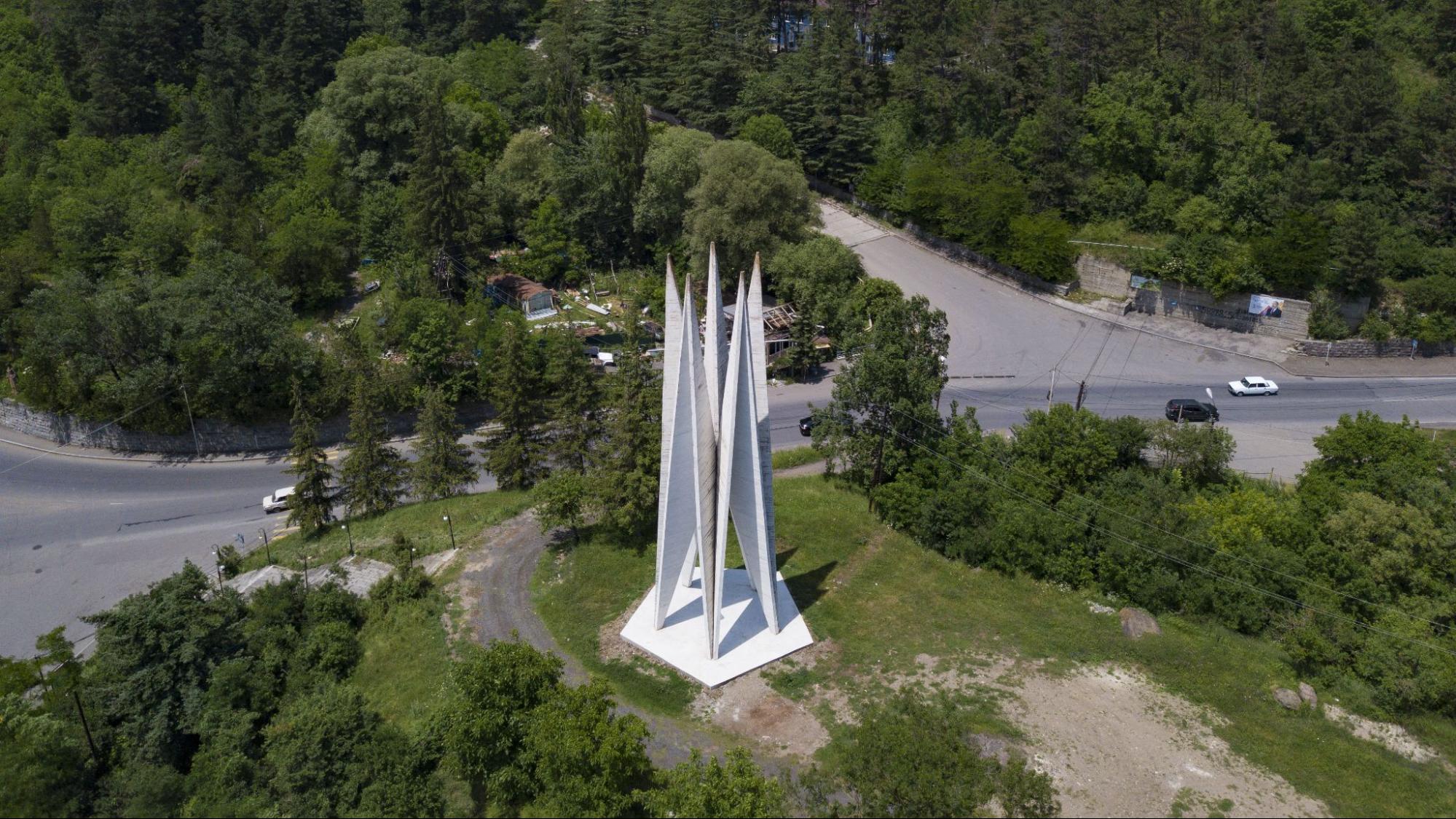
One of Dilijan’s most recognizable landmarks welcomes visitors as they enter the town.
The monument was erected in 1970 to commemorate the 50th anniversary of Soviet rule in Armenia. Its distinctive five-pointed star design has made it one of Dilijan’s most iconic architectural landmarks.
Today, the monument is appreciated not only as a relic of its era but also as one of the town’s defining visual symbols. It offers beautiful views over Dilijan and the surrounding mountains, making it a popular first stop for many visitors.
2. House of Composers
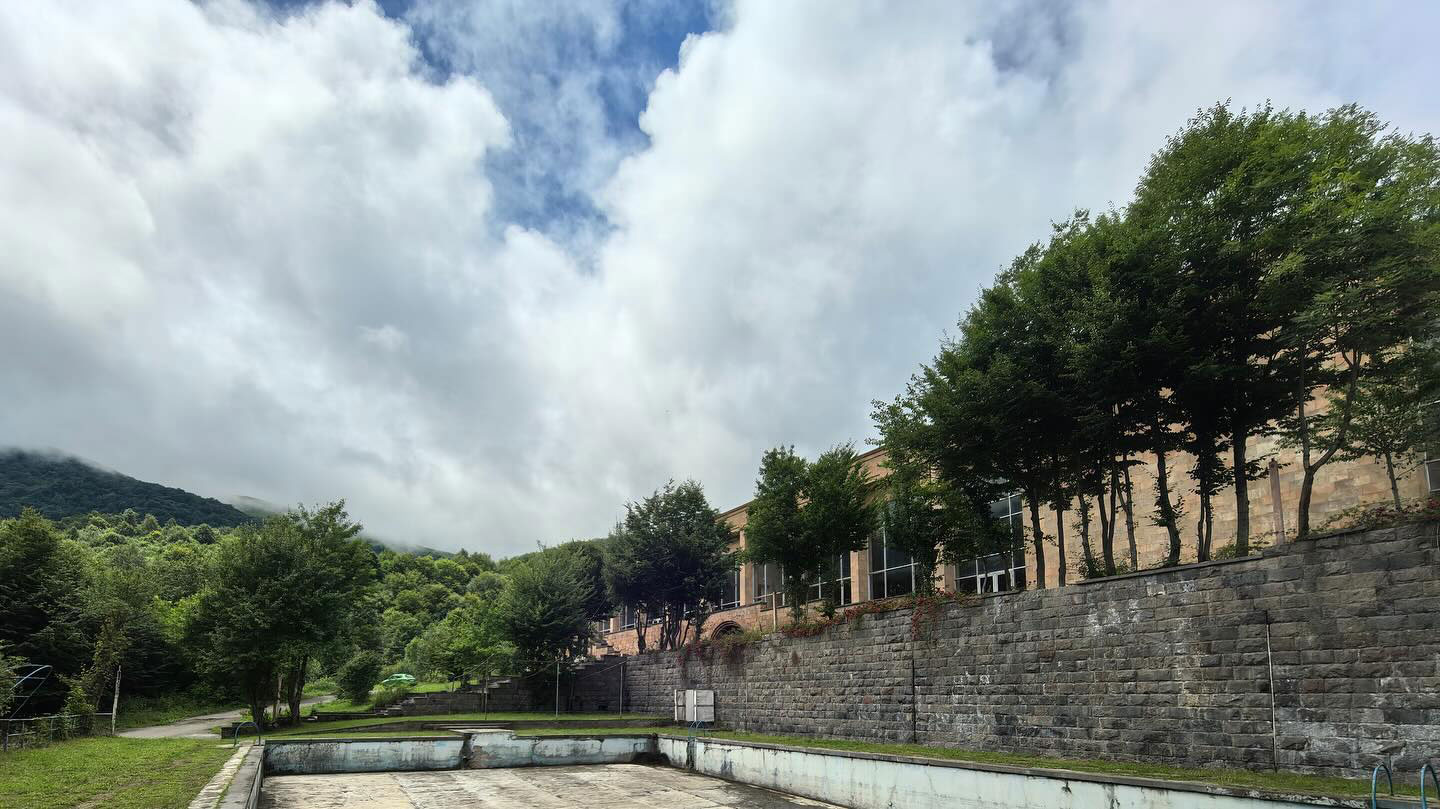
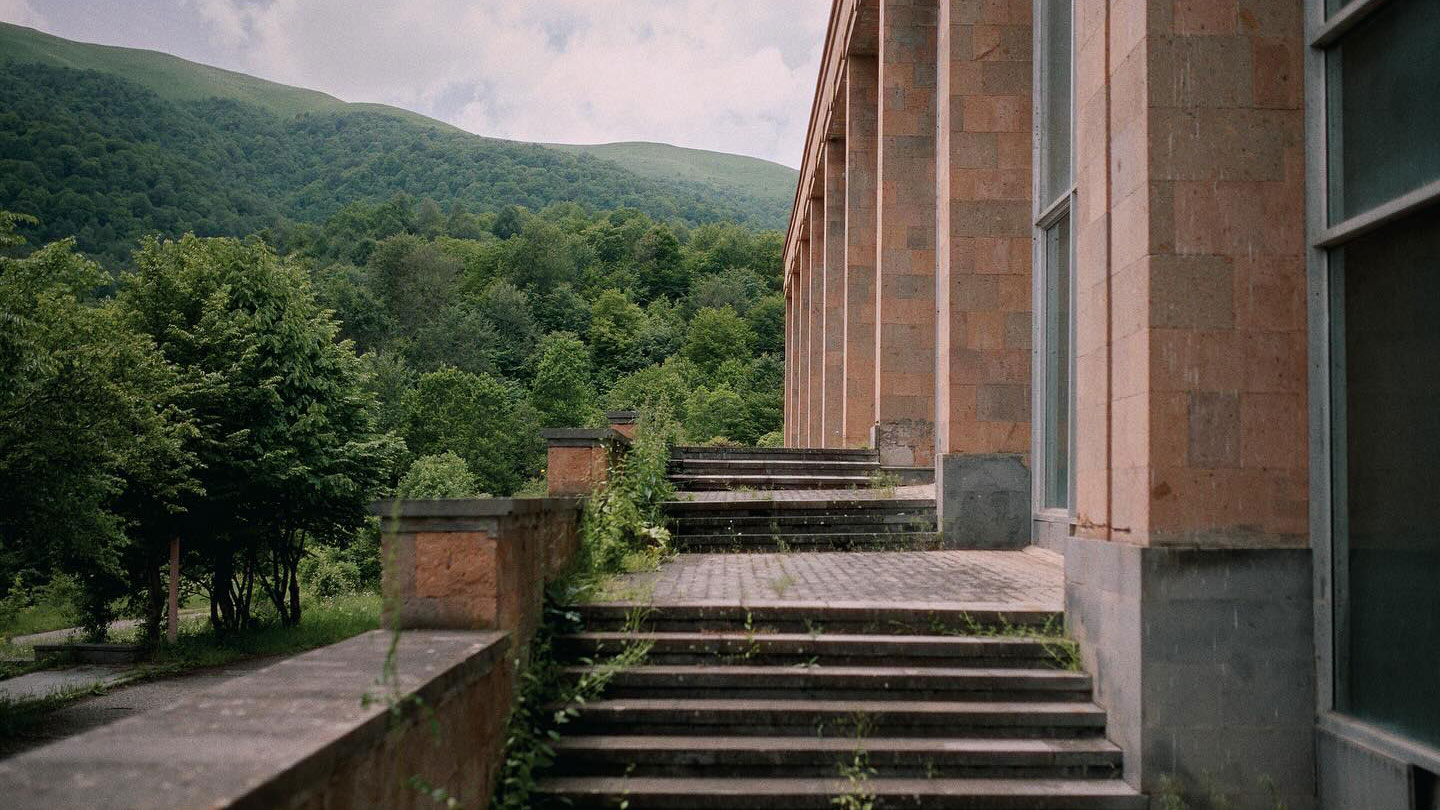
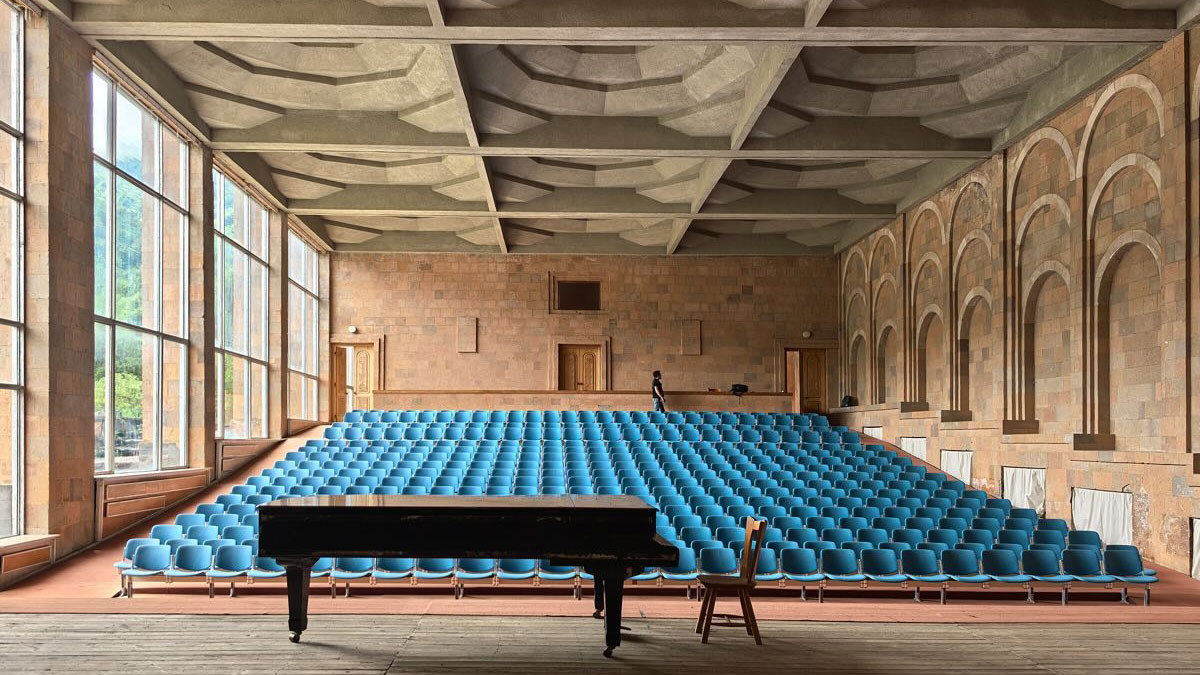
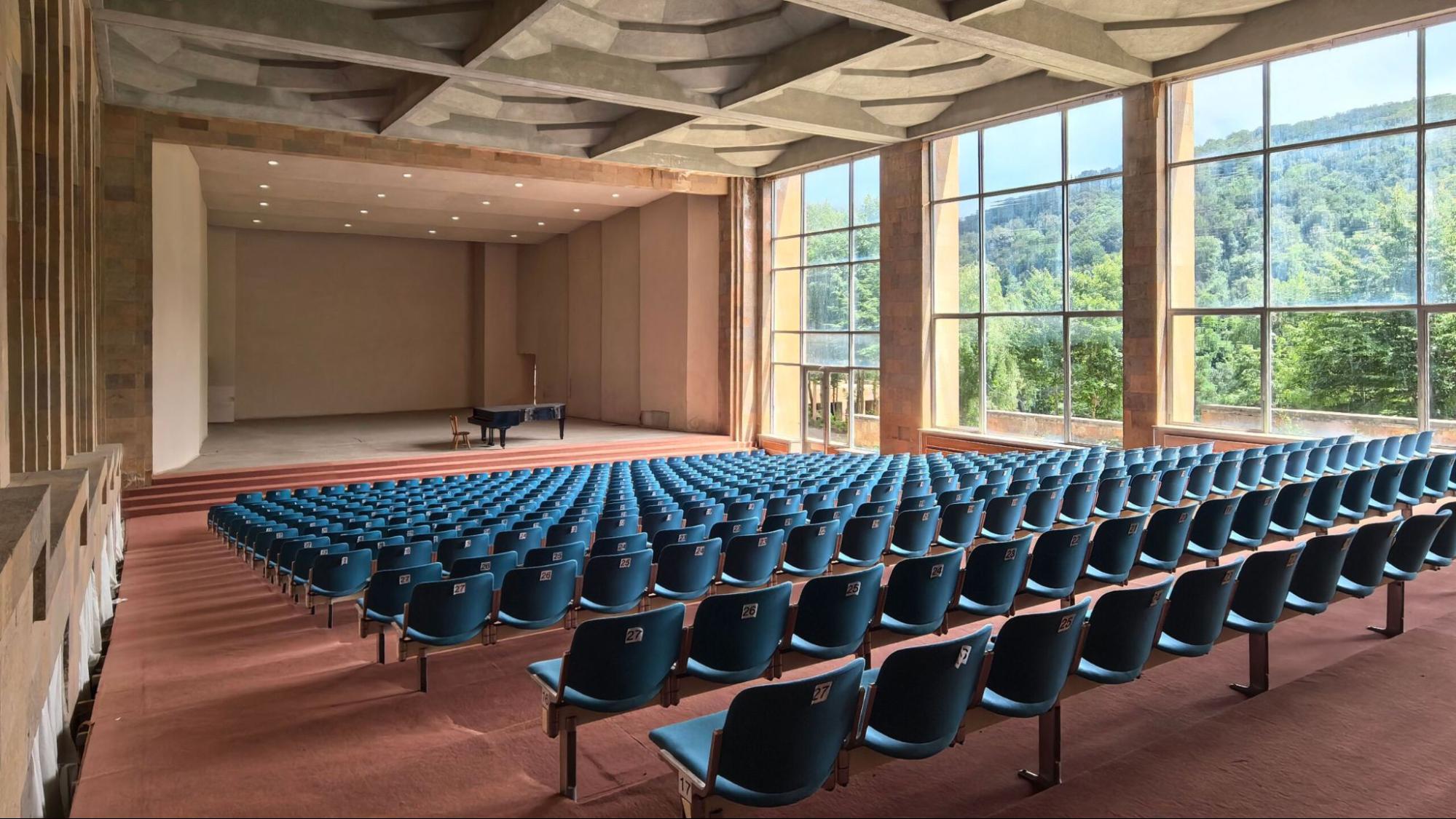
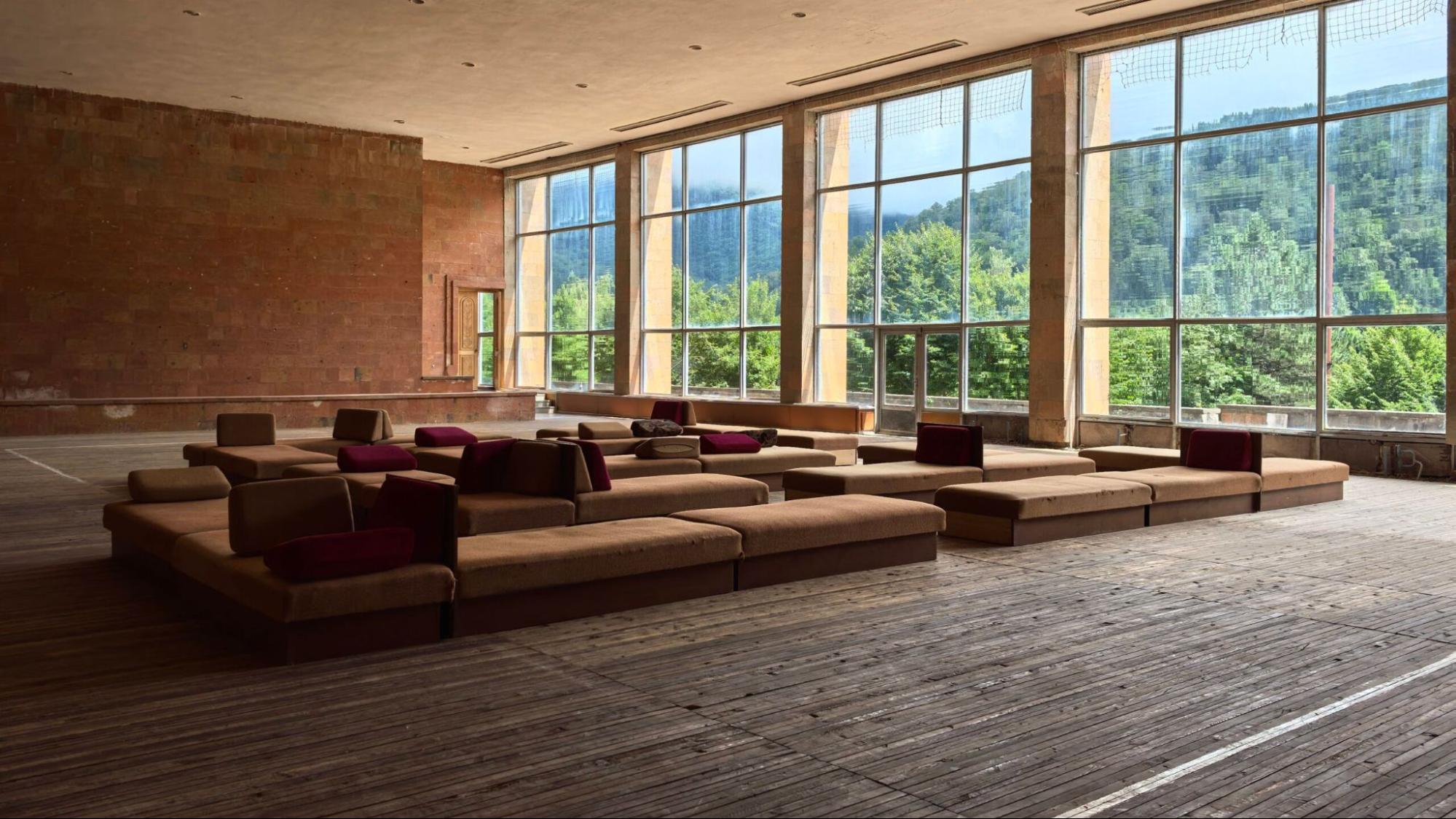
Perhaps the best-known Soviet-era building in Dilijan.
The House of Composers opened in 1963 and quickly became one of the Soviet Union’s leading cultural retreats. It welcomed some of the greatest names in music and the arts, including Dmitri Shostakovich, Aram Khachaturian, Arno Babajanian, Rodion Shchedrin, Maya Plisetskaya, Mstislav Rostropovich, and many others.
The complex was designed to provide composers with peace and privacy: the original cottages were spaced apart and surrounded by landscaped gardens. It was here that Dmitri Shostakovich worked on his Ninth String Quartet.
Today, the House of Composers remains one of Dilijan’s cultural symbols, recalling the time when the town attracted creative minds from across the Soviet Union. Concerts and festivals are still occasionally held here, and if your visit coincides with one of these events, it’s one of the best ways to experience a place that continues to live through music.
3. The Modernist Town Center
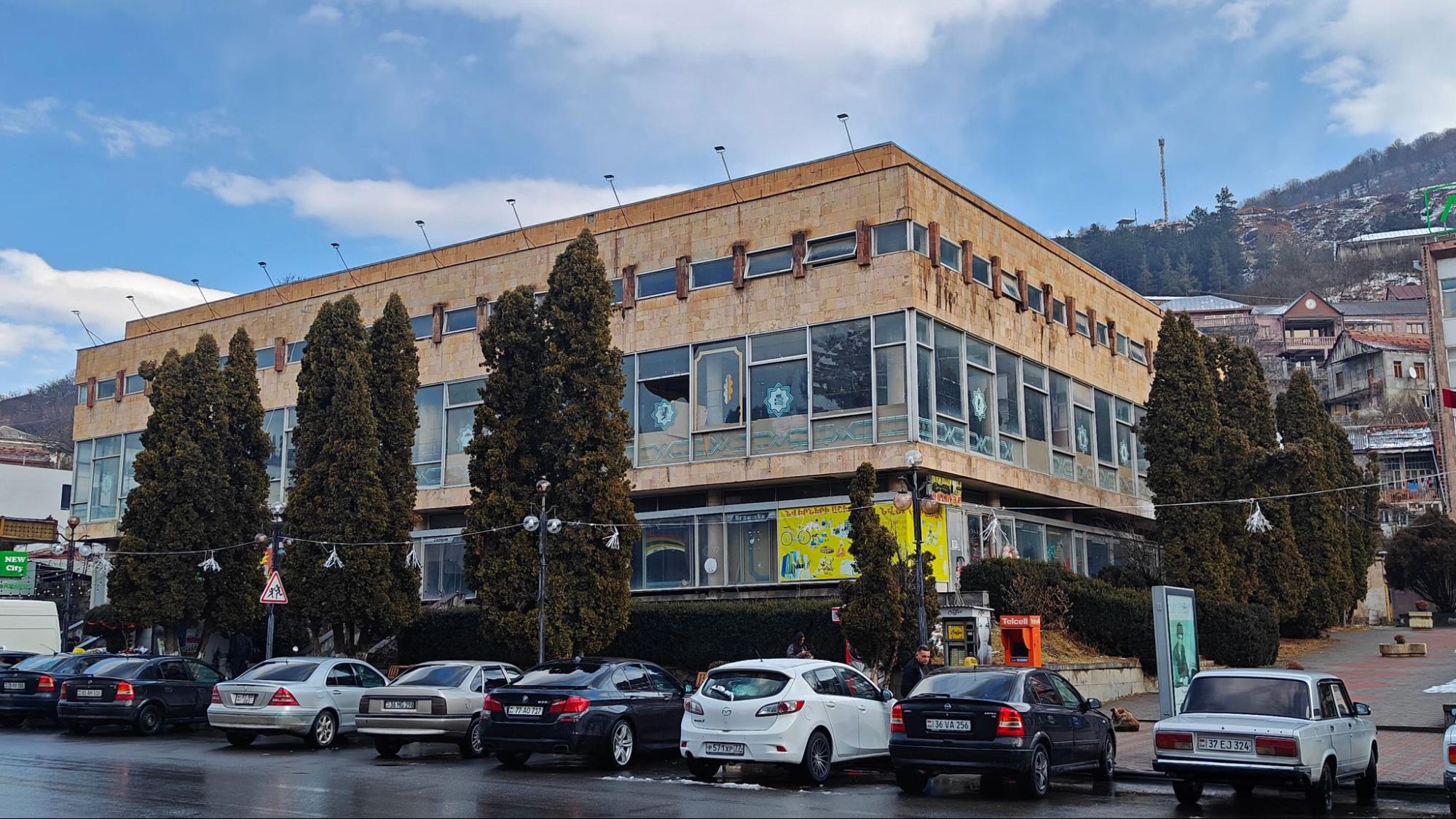
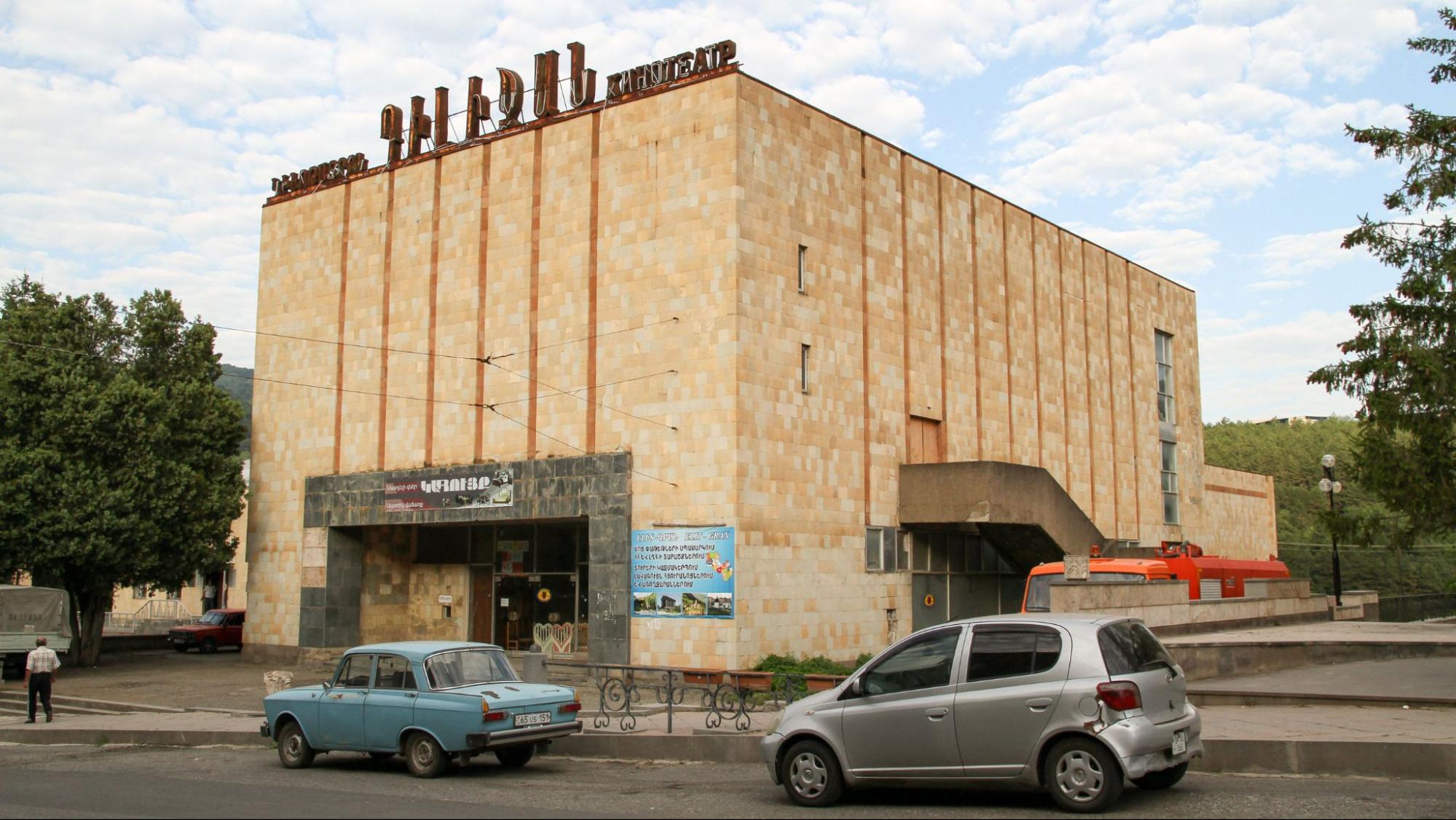
After Dilijan was granted the status of a republican spa town in 1958, it underwent a period of significant urban development.
The town center gained a Palace of Culture, a library, a cinema, a communications building, and other public structures designed in the style of Soviet modernism. Together, they form a cohesive architectural ensemble that can still be appreciated while walking through the town today.
Pay attention to the buildings’ clean geometric forms and the way the architects carefully integrated them into the mountainous landscape.
4. Khandjian Villa
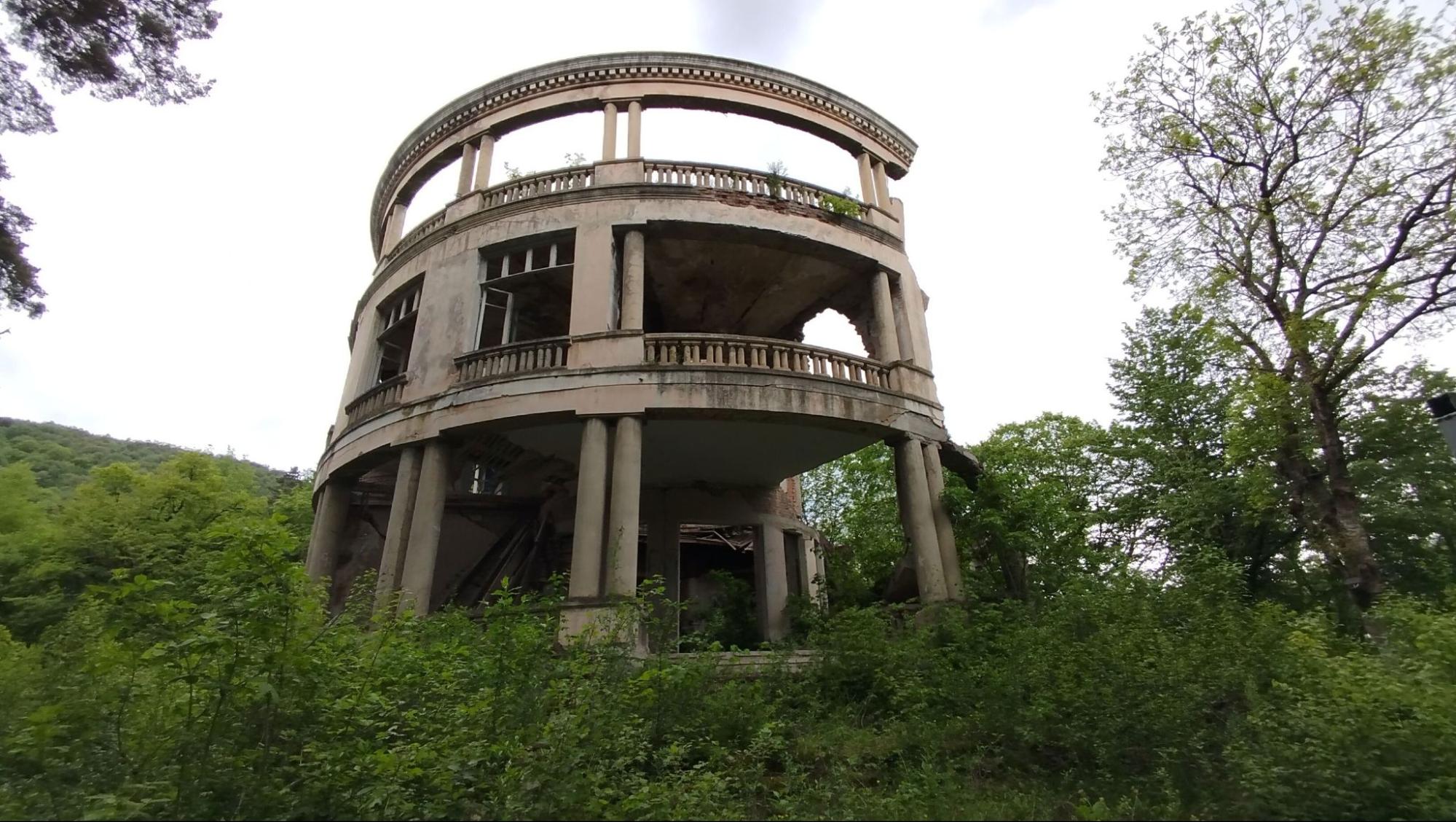
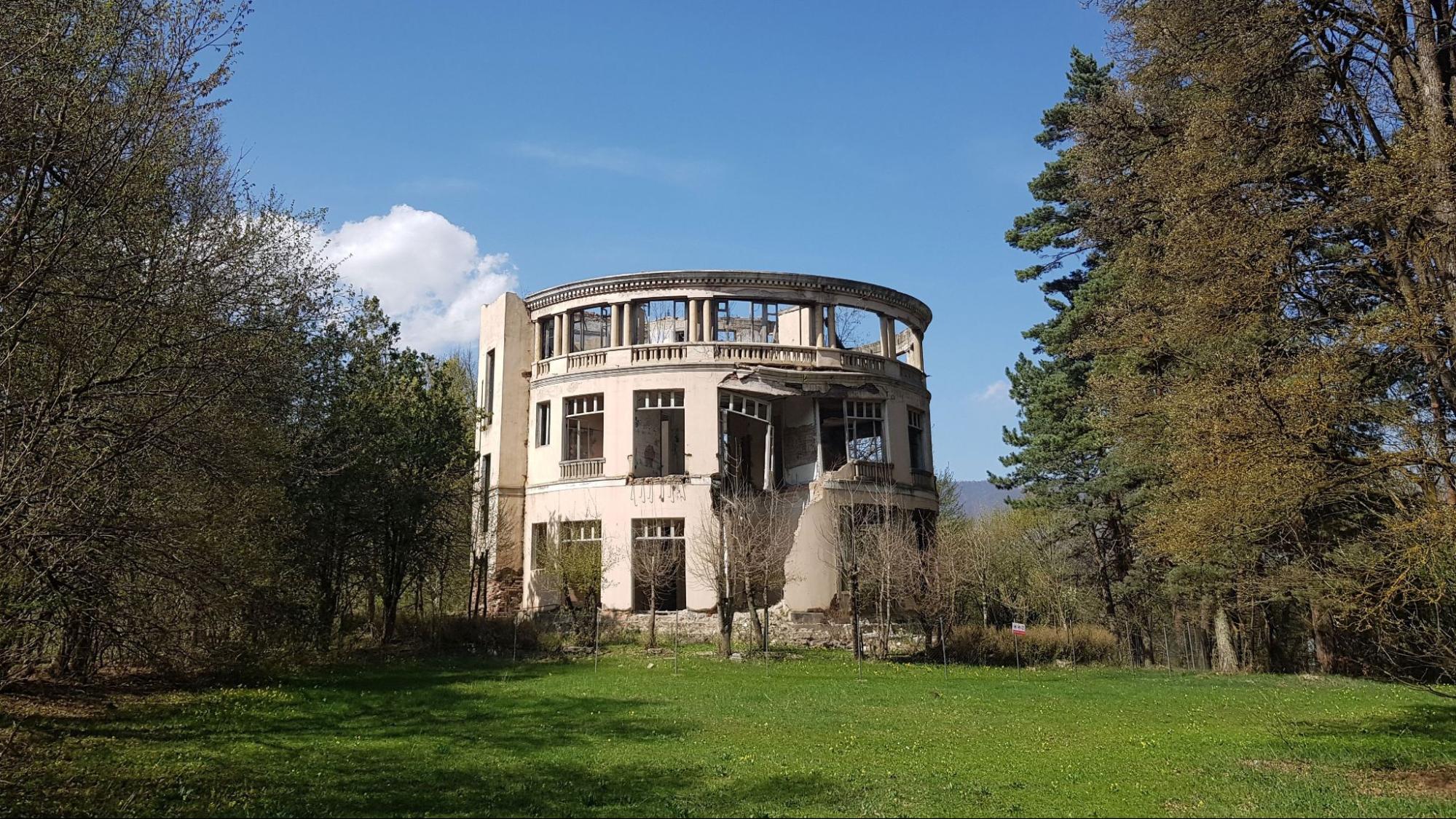
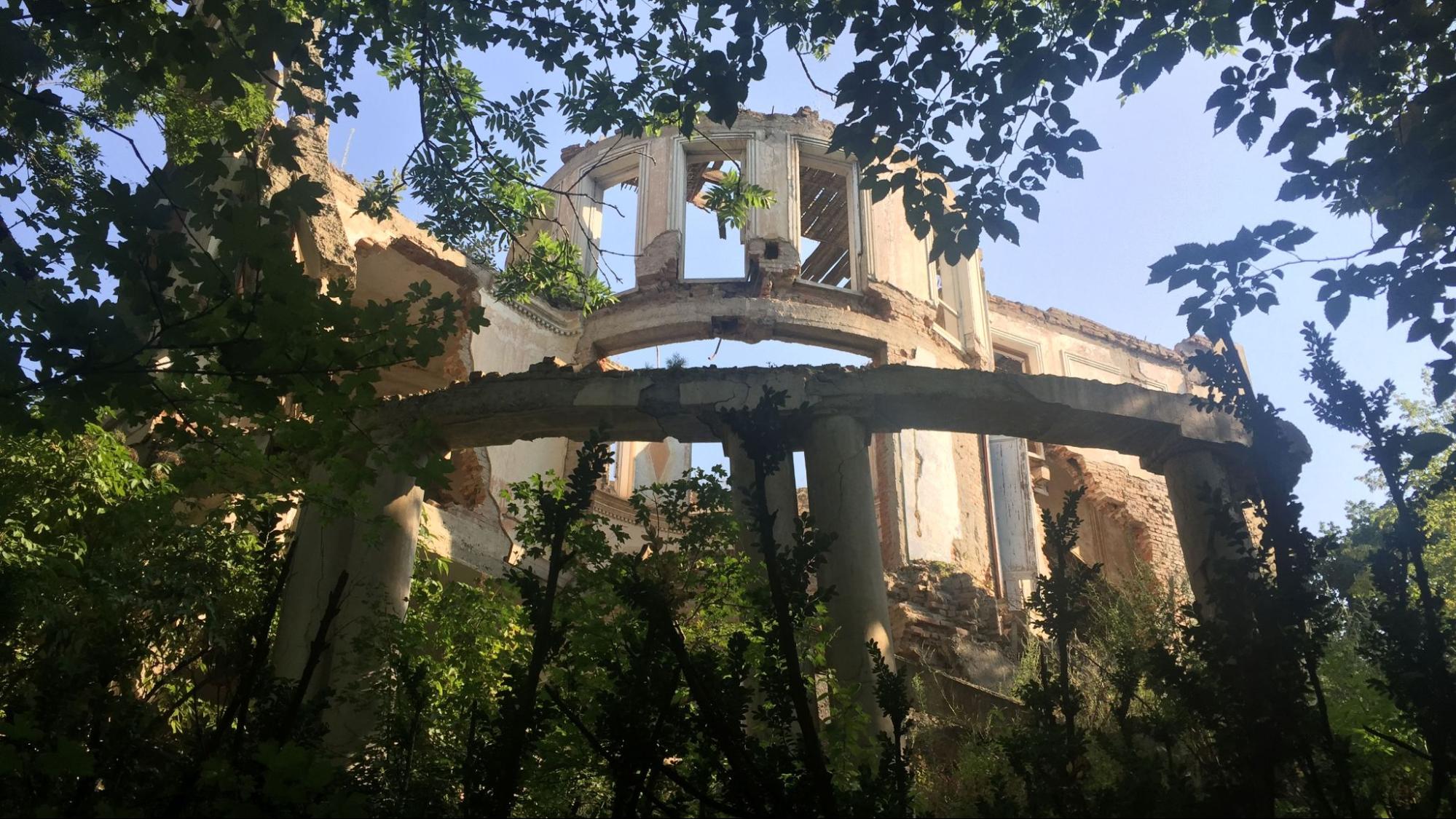
Visitors interested in Soviet architecture and urban history should also seek out one of Dilijan’s lesser-known landmarks—the cylindrical villa of Armenian political leader Agasi Khandjian.
Built in 1936, the villa sits on the hills above the town center. Agasi Khandjian served as the First Secretary of the Communist Party of Armenia for six years and chose Dilijan, long regarded as one of Armenia’s premier resort destinations, as the location of his summer residence.
Designed in the spirit of early 20th-century Armenian modernism, the villa stood out for its rare cylindrical form—an unusual architectural choice for its time.
The building is closely connected to Khandjian’s tragic fate. He died in 1936 under circumstances that remain the subject of historical debate. Despite this, the villa has survived and remains an important architectural landmark.
Although the building is now partially abandoned, its circular layout and striking silhouette continue to attract architecture enthusiasts and travelers interested in uncovering Dilijan’s hidden historical layers.
5. Cabinet — Giving a Soviet-Era Building a New Life
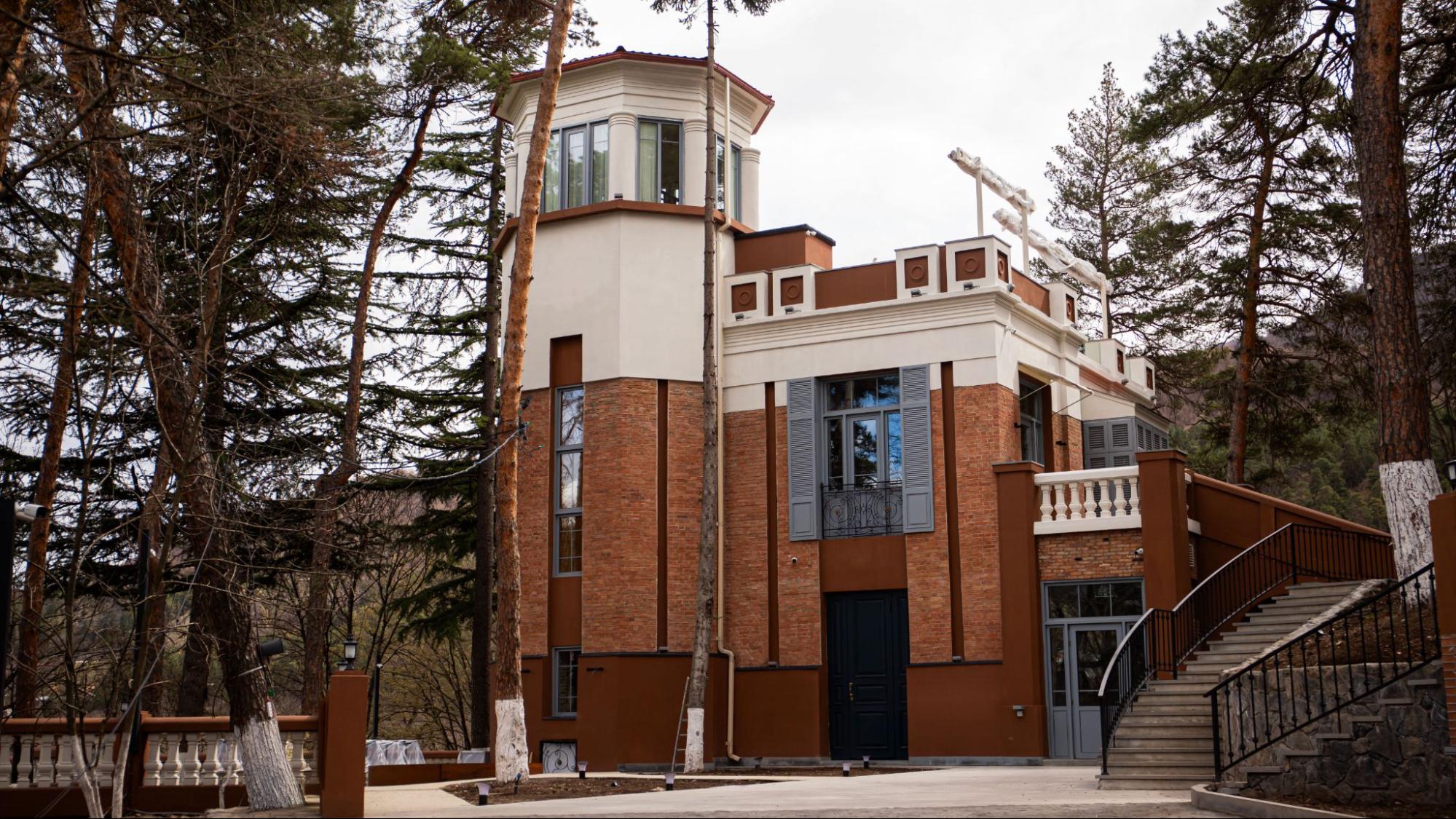
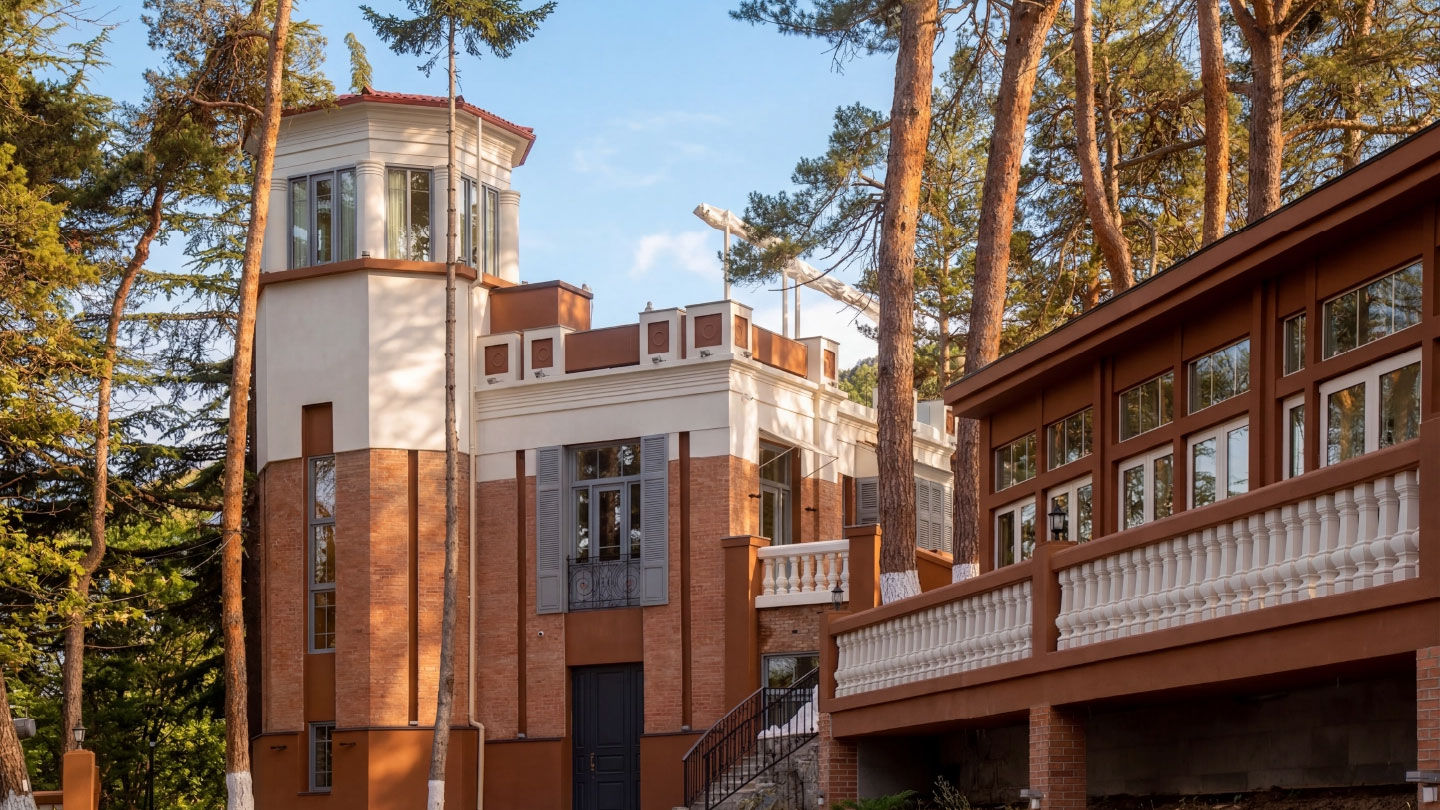
Dilijan’s Soviet heritage is not only about preserving history—it’s also about finding new ways to bring historic buildings back into everyday life.
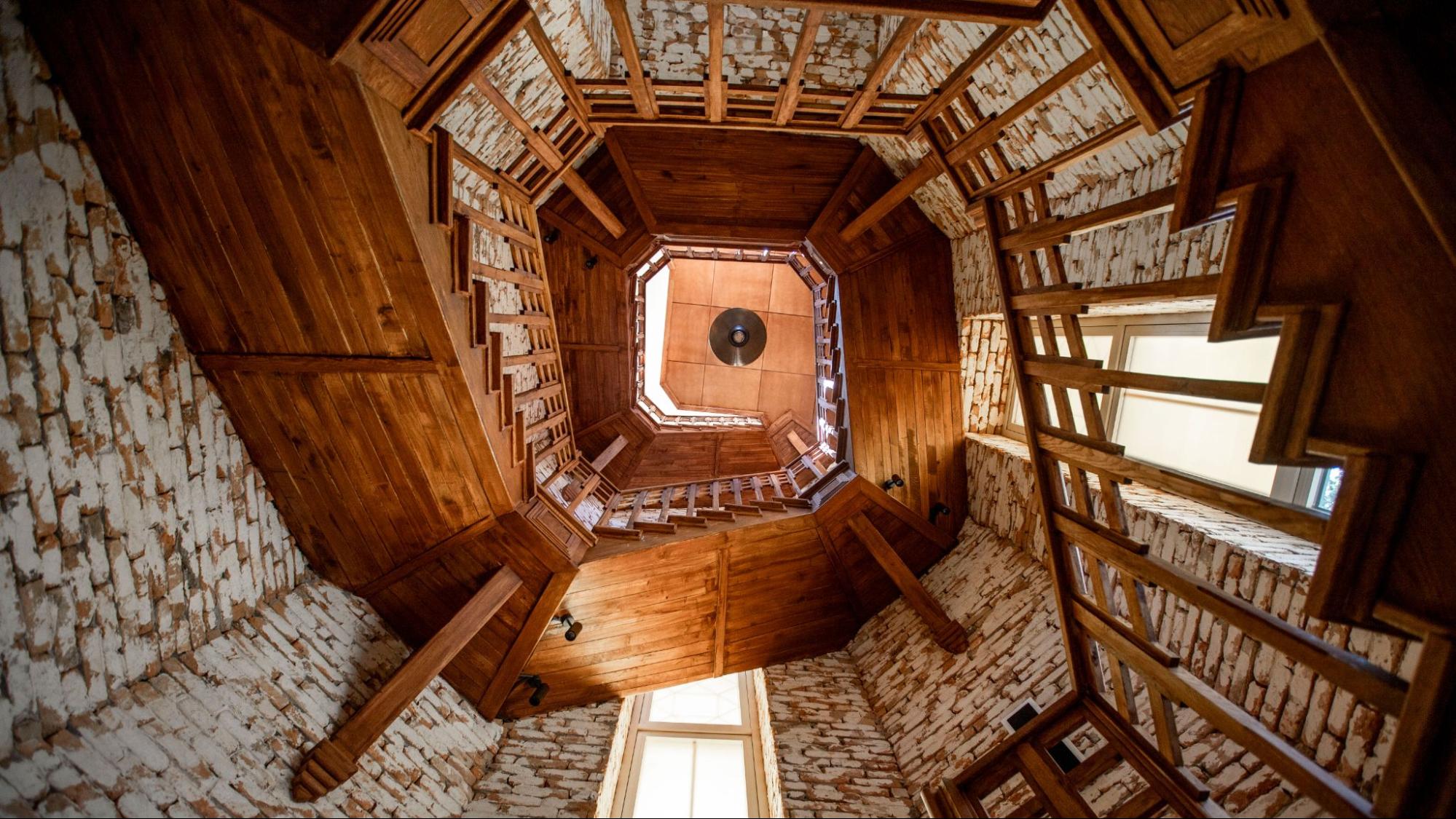
Cabinet is one of Green Rock’s projects dedicated to preserving and revitalizing historic architecture. The red-brick Soviet-era building once housed a branch of Yerevan State University and, according to local residents, also hosted government meetings. Today, it has been carefully restored while preserving its original character and materials, and now operates as a contemporary café and bar.
Cabinet has become a vibrant gathering place for both locals and visitors. The project demonstrates how thoughtful restoration can preserve architectural heritage while creating a welcoming space where dining, culture, and community come together.
A Different Side of Dilijan
Soviet architecture is just one of the many layers that make Dilijan unique. It exists alongside 19th-century wooden houses, medieval monasteries, forest trails, and contemporary public spaces, creating a town shaped by many different eras.
As you explore Dilijan, don’t be afraid to wander away from the familiar tourist routes. That’s where you’ll discover how history continues to coexist with the present—and how the buildings of the past are finding a new future.