English Հայերեն Русский

История Дилижана. Часть 1

Знакомый нам Дилижан с верандами и кофейнями сложился не при СССР и не при Российской империи. Это история о том, как земля над Агстевом успела побывать поселением куро-аракской культуры и охотничьими угодьями армянских царей, задолго до своего нынешнего имени.

Часть 1. До нашей эры и в составе Великой Армении

Горшки в Дилижане лепили за тысячи лет до первого армянского царя

Археологи относят самые ранние следы людей на этой территории к куро-аракской культуре, III тысячелетие до н.э. Тогдашние жители уже пахали примитивной сохой, держали скот, ковали серпы и топоры, но не расставались с каменными орудиями. Отдельной гордостью эпохи была керамика. Вручную, тысячами, лепили сосуды с резным геометрическим узором.

Царская подпись в камне 

Арташес I, II век до н.э.

По дороге из Дилижана в сторону Иджевана, у села Техут, обнаружили два камня с арамейскими надписями. Их установил Арташес I, тот самый царь, что в 189 году до н.э. провозгласил Великую Армению независимым государством. Камни отмечали границы его владений. Это редкий случай, когда государственная граница двухтысячелетней давности дошла до нас не в летописи, а в виде подлинного артефакта.

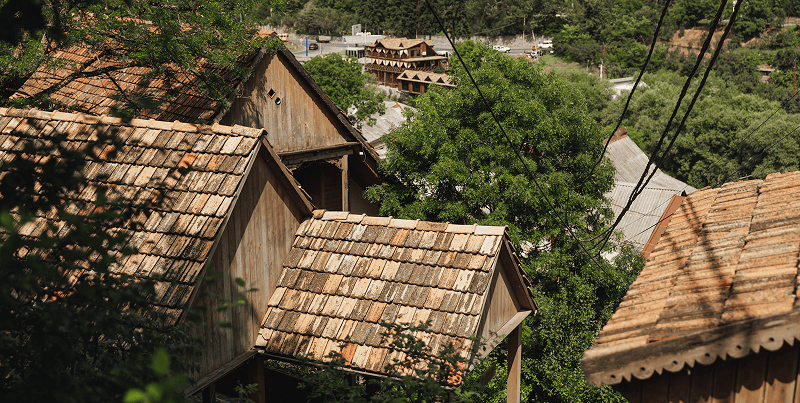
Roof of houses

Не провинция, а курорт для царей 

Аршакуни и Ховк, I век н.э.

Территория вошла в состав Великой Армении как часть уезда Варажнуник области Айрарат и долго оставалась просто провинцией. Все изменилось с приходом династии Аршакуни. Земли вдоль реки Агстев и сам Дилижан, тогда Ховк, получили статус царской резиденции и охотничьих угодий.

Первое христианское государство в мире

301 год

При Трдате III, тоже из рода Аршакуни, Армения официально приняла христианство как государственную религию. Для Дилижана, где позже появятся монастыри Гошаванк и Агарцин, это отправная точка совсем другой культуры.


Но века спустя у Армении отняли право быть одной страной. В конце IV века ее разделили между Византией и Персией. Что случилось с Дилижаном дальше, узнаете в следующей части.

Haveli: частичка Индии в старом дилижанском доме

В Дилижане никогда не было проблем с тем, где накормить гостя. Здесь есть мангалы, домашние ресторанчики, кафе, в которых можно часами сидеть за чашкой кофе, и столики, которые будто сами собой появляются там, где горный воздух особенно располагает задержаться. Но до недавнего времени на гастрономической карте города не хватало одного места - такого, где все строится вокруг индийских специй, красок и неспешного гостеприимства.

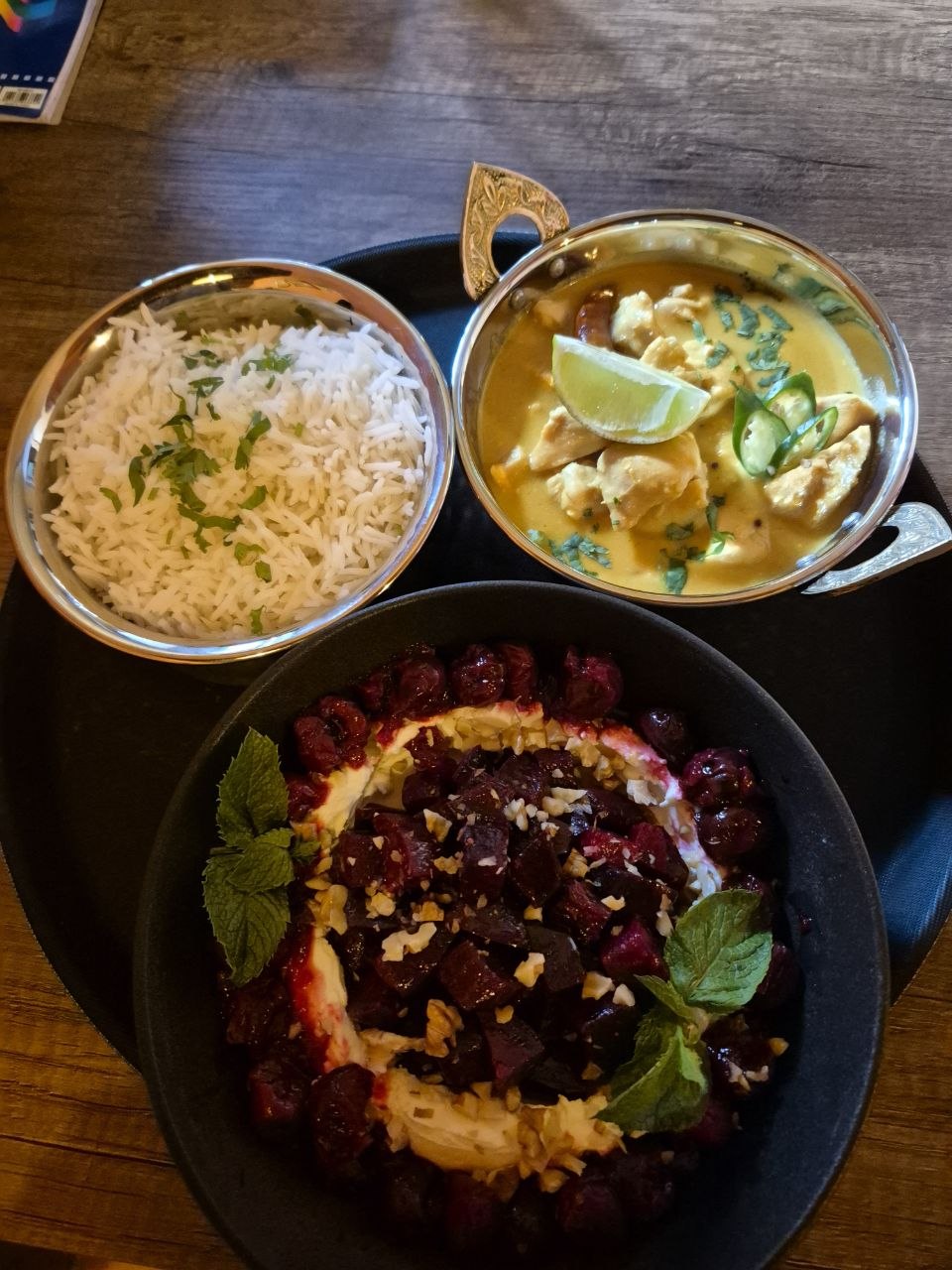
Этим местом стал Haveli- новый ресторан североиндийской кухни, который расположился в старом двухэтажном доме Дилижана. Его основательница Инна не считает Haveli просто бизнесом или очередным рестораном с кухней другой страны. Для нее это «маленькая Индия ее глазами» и, что не менее важно, дом, где никого не торопят.

За этой идеей стоит не мода на аутентичную кухню, а личная история. Все началось еще в детстве - с увлечения историей, географией, древними цивилизациями и тем, насколько по-разному люди устраивают свою жизнь. Позже у Инны появились друзья из разных стран, и Индия перестала быть для нее далекой точкой на карте. В 2010 году она отправилась туда, чтобы познакомиться с родителями друзей. И уже через несколько дней поняла с неожиданной ясностью: она влюбилась в эту страну.

«Там я чувствовала себя как дома, - вспоминает она. - Честно говоря, даже лучше, чем дома».

Ресторан, который долго ждал своего часа

Haveli появился не сразу. Инна работает в сфере гостеприимства уже около шестнадцати лет. Как и многие, кто годами заботится о том, чтобы вечера других людей проходили хорошо, она давно мечтала однажды создать собственное место - такое, где все будет устроено в соответствии с ее представлением о настоящем гостеприимстве.

Последние двенадцать лет Инна живет и работает в Дилижане. Она говорит о городе не как о сезонной возможности заработать, а с тихой нежностью человека, который хорошо знает его ритм: чистый воздух, леса у самых улиц, относительное спокойствие и ощущение, что с каждым годом Дилижан становится все увереннее в себе.

Дилижан быстро развивается, но здесь по-прежнему есть место заведениям с собственным характером. Ресторан может стать одним из таких мест: дать гостям еще один повод остаться в городе на ужин, собрать соседей после работы, сделать знакомую улицу чуть оживленнее. Инне хотелось, чтобы ее небольшое дело тоже внесло свой вклад, чтобы город стал лучше, а люди немного счастливее.

Конечно, путь от «а почему бы и нет?» до открытия ресторана редко надолго остается романтичным. Возникали неожиданные вопросы, практические сложности, а порой планы приходилось переделывать уже на ходу. Но, как говорит Инна, когда есть цель, препятствия становятся частью истории, а не ее финалом.

Армянский хавели с индийским сердцем

Само название многое говорит о замысле. Хавели - это большой особняк или небольшой дворец, в Индии так часто называют старинные дома. Дилижанский Haveli не пытается воспроизвести такое здание кирпичик за кирпичиком. Для старого армянского дома среди гор это было бы странной затеей, тем более что у него и без того достаточно собственного очарования.

Вместо этого здесь нашли интересную параллель. Ресторан занимает старый двухэтажный дилижанский дом - камерное пространство, больше похожее на частный дом, чем на лощеный ресторанный зал, где гостей стараются поскорее обслужить и освободить столик. Инна называет его армянским хавели, и это определение ему подходит. Ее маленький дворец с индийским сердцем.

Эта идея определяет не только меню, но и атмосферу. Гость должен иметь возможность зайти, удобно устроиться, вкусно поесть, поговорить столько, сколько хочется, и забыть о расписании. Все просто: тебя радушно встречают, угощают хорошей едой, поддерживают разговор - а дальше вечер идет своим чередом.

Для города, куда многие приезжают именно за передышкой, это очень по-дилижански - и, пожалуй, это настоящая роскошь.

Северная Индия глазами Инны

Основу меню составляют блюда североиндийской кухни - именно в этих регионах Инна провела большую часть времени. И это важная деталь. За пределами страны индийскую кухню часто воспринимают как нечто единое: будто одним названием в меню можно охватить огромную страну со множеством региональных кулинарных традиций. Haveli идет другим путем. Его кухня - признание в любви той Индии, которую Инна знает лично: ее людям и традициям, с которыми она познакомилась.

В том, что эта кухня появилась именно в Дилижане, есть своя ирония. Город ассоциируется с туманными лесами, минеральной водой и домами из камня и дерева - совсем не тот пейзаж, который обычно представляют, думая о еде Северной Индии. Но в этом контрасте и есть особое очарование. Чтобы отправиться в путешествие, не всегда нужно преодолевать сотни километров. Иногда достаточно того, что на знакомой улице из кухни вдруг доносятся новые ароматы.

Главный ингредиент - уважение

Если спросить Инну, на чем держится Haveli, она начнет не с секретного рецепта. Ее ответ - уважение.

Уважение к себе, к еде, гостям, команде и труду, который стоит за каждой деталью. По ее мнению, из этого вырастает все остальное: качество и размер порции, подача, внимательный сервис, настроение за столом. Это не отдельные стороны ресторанной работы, а разные способы показать гостю, что здесь ценят его время.

Поэтому Инна хочет, чтобы Haveli был больше, чем место, куда можно один раз прийти за индийской едой и сделать фотографию. Для нее важна атмосфера - теплая, спокойная, открытая. Ей хочется, чтобы каждый посетитель, независимо от национальности и вероисповедания, смог почувствовать, почему Индия так много для нее значит. Не из рассказов и объяснений, а благодаря тому, как его здесь принимают.

Уже в первые недели в Haveli начали приходить самые разные гости - из Индии, арабских стран, Европы, России и Армении. Для нового ресторана это особенно важная первая проверка. Оценить еду можно очень быстро. Люди могут спорить о политике, музыке и о том, когда лучше ужинать - в шесть или в десять, - но обычно безошибочно чувствуют, когда и еда, и само место созданы с заботой.

Before the menu: what people used to eat in Dilijan

Before the menu: what people used to eat in Dilijan

Ask what to eat in Dilijan today and the answers arrive quickly: khash, khorovats, gata, tolma. All are worth trying. None, however, tells the whole story of how people here actually ate.

The older food memory of Dilijan is less photogenic. It lives in braids of dried wild sorrel, jars of pickled mushrooms, beans stored for winter and fermented milk made to last long after the cows had left their summer pastures. It tastes of nettles in spring, mushrooms after rain, rosehips in autumn and grains when almost nothing fresh is growing.

This makes sense once you look outside the kitchen. Dilijan developed inside one of Armenia’s richest forest landscapes. The Ministry of Environment lists 902 species of plants in Dilijan National Park, while Armenia’s official tourism portal describes Tavush as a region particularly rich in wild edible herbs, berries and mushrooms. In other words, the forest was never just scenery. It was part of the pantry.

And that is probably the best way to understand traditional Dilijan food: not as a list of recipes, but as a system built around seasons, preservation and family knowledge.

Spring began with what appeared on the ground

After a mountain winter, the first exciting ingredient was not meat. It was green.

Local culinary records describe nettle soup as one of Dilijan’s characteristic spring dishes, cooked with potatoes, egg and butter. Mallow also went into soups and stews. Sindrik – Solomon’s seal (a wild plant with asparagus-like young shoots) was boiled and eaten simply, often with salt or matsun. Then there was aveluk, the wild sorrel that appears across Eastern Armenian cooking.

The striking thing about these plants is that they blur the modern distinction between “ingredient” and “something growing by the path”. Ethnobotanical research in Armenia has documented a remarkably large repertoire of wild foods, while the Smithsonian magazine has described the harvesting of edible greens as a practice passed through generations.

Aveluk is a perfect example. Fresh leaves are only the beginning. Traditionally they are dried and braided, which changes their taste and allows them to be stored. In Dilijan they have been used for soups, salads and fried dishes: one local version, prtuk, thickens an aveluk soup with flour or small pieces of dough.

So spring did not simply produce spring food. It produced part of winter’s food too.

The forest had its own mushroom season

If one ingredient deserves to be called distinctly Dilijani, mushrooms have a strong case.

They are far less central to the stereotypical image of Armenian cuisine than lavash, grilled meat or cheese, yet the humid forests around Dilijan are exceptionally suited to them. The Smithsonian’s reporting on Armenian foraging specifically points travellers towards the mushroom-rich forests around Goshavank, while Armenia’s tourism authority singles out mushroom diversity as one of Tavush’s culinary characteristics.

Traditionally, mushrooms were not treated as a gourmet curiosity. They were simply seasonal food. What could not be eaten immediately could be salted or marinated for later.

That knowledge mattered. Knowing which mushroom to pick was part of knowing the landscape, much like knowing where the best berries or herbs appeared. Today, of course, amateur foraging is another matter: the Armenian 1000 Leaf project explicitly warns against eating anything that has not been positively identified. The culinary tradition is worth exploring, guessing your way through wild fungi is not.

Summer was partly about preparing for winter

A summer kitchen in Dilijan had two jobs: eat what was fresh and make sure some of it survived.

The forests around the town contain wild fruit and nut species including walnut, cornelian cherry, plum, pear, hazelnut and hawthorn. Fruit became preserves, herbs were dried for cooking and tea, mushrooms were pickled, rosehips harvested later in the year could become tea, jam, juice or the local preparation known as masramatsun.

Even green beans could move from summer vegetable to winter ingredient. Local Dilijan culinary documentation records a dried form known locally as khasham lobí: the beans were stored, then soaked before being cooked in cold-season soups.

Milk had a winter plan too

Perhaps the cleverest transformation happened with dairy.

Matsun is still so ordinary in Armenia that it is easy to overlook how useful fermentation was before refrigeration. But Dilijan’s pastoral traditions went one step further with choratan: matsun concentrated and dried so that it could be stored for long periods, then reconstituted when needed.

Food-science research describes choratan as precisely that – a long-keeping dried form of matsun that can later become a creamy base again.

Local Dilijan accounts add the human geography. Pastoral families would spend the summer higher in the mountains with their livestock and process the season’s milk into products that could survive the colder months. Choratan could later become a soup, tan with mint or part of khankyal, served with fried onions.

And here the idea of a single “authentic recipe” starts to fall apart. Local documentation explicitly notes that families had their own ways of using choratan. That is how domestic cuisines usually work: the name of the dish may be shared, but the important details belong to a household.

Winter food was deliberately unglamorous

Once the fresh season ended, Dilijan cooking became heavier, slower and more dependent on the pantry.

Beans, wheat and corn mattered. So did the things prepared months earlier: dried aveluk, dried beans, pickled mushrooms, preserves and choratan.

One Tavush cold-season dish is korkot, a substantial combination of wheat and pork. Another local preparation, tsandil or khatkhash, combines corn, wheat and beans. Bean soups paired pulses with grains such as dzavar. These are not the dishes most likely to dominate a restaurant Instagram feed, but that is precisely the point. They were designed around satiety, storage and what a household actually had.

The menu was a calendar.

The villages around Dilijan added their own flavours

Dilijan’s food memory was never sealed inside the town limits.

Follow the road towards Vanadzor and you reach Fioletovo, in neighbouring Lori province, the largest Molokan village in Armenia. The Russian Christian community has lived in the area since the 19th century, and its food traditions developed beside those of Armenian communities in and around the Dilijan basin.

Sauerkraut became such a characteristic product of Fioletovo that journalist Mark Grigoryan described fields of cabbage and the finished fermented cabbage as a calling card of the village. His documentation of Molokan family life also records homemade noodles – rolled thin, briefly dried over heat and later cooked in chicken or beef broth – as an essential wedding food. Today homemade jams and blini remain part of the village table.

Another layer arrived through migration. Dilijan culinary records associate the use of dzavar in one local bean soup with Armenians from the Middle East who settled in the town in the 1940s. This belongs to a much larger historical movement: during the mass repatriations of 1946-1948, tens of thousands of diaspora Armenians came to Soviet Armenia, many from Syria and Lebanon. People moved, and recipes moved with them.

Family recipes were less about measurements than memory

This may be the hardest part of Dilijan cuisine to put on a restaurant menu.

Traditional food knowledge often did not live in cookbooks. It lived in repetition: which greens to pick, how long to dry them, when the milk was right, how sour the pickle should become, whether a soup needed another handful of grain.

That makes “family recipe” slightly misleading. Often what was inherited was not a fixed formula but a method, and the confidence to adjust it without measuring anything.

Two neighbouring houses could therefore make the “same” food and still insist that the other house was doing it slightly wrong. Some culinary traditions are universal after all.

Restaurant Dilijan and home Dilijan are not quite the same place

None of this means that restaurant food is somehow fake.

Restaurants have a different job. A visitor arriving for one evening wants a meal, not six months of agricultural context. Familiar Armenian dishes travel well onto menus, a jar prepared in September for a family kitchen does not.

Even wild mushrooms, now quite visible in Dilijan restaurants, tend to appear in restaurant-friendly forms: with eggs, in soups, with potatoes, pasta or arishta. The domestic food system behind them is much harder to serve on a plate.

This gap exists elsewhere in Armenia too. Smithsonian researchers have noted that some traditional dishes built around wild greens remain far easier to find in private kitchens than in tourist restaurants. Local people do not need to order them: they already know someone who makes them.

And perhaps this is the useful distinction. Restaurant cuisine asks, “What should we cook for a guest today?” Traditional home cooking asked a different question: “What is available now, and how can we make it last?”

Dilijan’s gastronomic memory was never just a menu.

It was a way of living with the landscape.

The forest has good acoustics: how Dilijan became Armenia’s creative retreat

Long before coworking spaces, artist residencies and creative-tech labs appeared in Dilijan, poets, composers, painters and filmmakers were already coming here to work. The tools have changed. The reason to come has not.

In June 1908, the composer Komitas wrote to poet Hovhannes Tumanyan about a problem familiar to anyone who has ever tried to finish a creative project: they needed to get away somewhere and finally do the work.

Komitas suggested Dilijan.

The plan was practical rather than romantic. They could spend around ten days there working on the libretto of Anush, Tumanyan’s poem that Komitas hoped to turn into an opera. There was no talk of “creative energy” or finding inspiration. They simply needed time, concentration and a place to work together.

More than a century later, this still feels like one of the best explanations for Dilijan’s relationship with creative people. Artists did not keep coming here only because the town was beautiful. Armenia has no shortage of dramatic mountains. What Dilijan repeatedly offered was something more useful – distance without isolation. Quiet enough to disappear into your work, connected enough to meet other people doing interesting things.

Private summer houses became Soviet creativity resorts. Composers were followed by filmmakers. Industrial buildings became art laboratories. Today the same town has TUMO students making animated films, artists creating installations, engineers prototyping at a Fab Lab and remote workers opening laptops within walking distance of the forest.

Dilijan did not become a creative city overnight. It has been rehearsing the role for more than a hundred years.

Before creative residencies had a name

The first version of creative Dilijan looked less like an institution and more like a summer house with an unusually good guest list.

By the late 19th and early 20th centuries, Dilijan had developed a reputation as a mountain resort. Wealthy families from Tbilisi built summer homes here, among them was philanthropist and cultural activist Princess Mariam Tumanyan. Her house became a meeting place for Armenian intellectuals and artists, associated with figures including Hovhannes Tumanyan, Alexander Shirvanzade, Avetik Isahakyan and Armen Tigranyan.

This matters because Dilijan’s artistic reputation did not begin with Soviet cultural policy. The pattern was already there: leave the city for summer, move into the forest, and discover that half the people you wanted to talk to had apparently had the same idea.

Komitas’s 1908 letter fits neatly into this world. Dilijan was somewhere work could happen precisely because life slowed down without becoming intellectually empty.

Mariam Tumanyan’s house later had an appropriate second life. Painter and cultural figure Hovhannes Sharambeyan lived there and helped transform it into Dilijan’s folk art museum in 1979. Following restoration, the building reopened in 2026 as the Armenian Textile Museum, combining historical collections with workshops, music, festivals and contemporary craft.

A former summer salon becoming an active cultural centre more than a century later is almost too perfect a metaphor for the town.

Then the Soviet Union made the retreat official

If pre-Soviet Dilijan developed its cultural reputation organically, the USSR put infrastructure around it. Across the Soviet Union, Creativity Houses were established for writers, architects, artists, composers and filmmakers. They were part workplace, part sanatorium, part professional club: places where members of creative unions could live for weeks, work individually and meet colleagues away from city life.

Dilijan proved particularly suited to the model. In 1963, the House of Composers’ Creativity opened in the wooded hills outside town, largely through the efforts of Armenian composer Edward Mirzoyan. It began with a small collection of cottages and later expanded to include a library, cinema, restaurant, sports facilities and the Beethoven concert hall.

Even its architecture explains what the place was for. The cottages were separated so that one composer’s piano or rehearsals would not destroy another’s concentration. The idea was simple: give people privacy when they need it and company when they don’t. It worked remarkably well.

The guest list became slightly absurd

At some point, reading the names associated with Dilijan’s Composers’ House starts to feel like opening several cultural encyclopedias at once.

Dmitri Shostakovich came here. So did Benjamin Britten, Mstislav Rostropovich and Galina Vishnevskaya. Armenian composers including Aram Khachaturian and Arno Babajanyan were closely associated with the resort. Rodion Shchedrin, Giya Kancheli, painter Martiros Saryan and ballerina Maya Plisetskaya also appeared in its orbit.

The anecdotes make the place feel considerably less solemn than the guest list suggests. Local histories remember composers playing football, Plisetskaya collecting mushrooms and Saryan sitting among the apple trees. One story has Shostakovich refereeing a football match and protesting whenever a badly aimed ball knocked apples from the trees.

Which is a useful context. Dilijan was not a remote monastery where Great Men sat alone and produced masterpieces on command. It was social. And sometimes the work followed.

Shostakovich’s stays associated in local histories with work on his Ninth String Quartet and music for Grigori Kozintsev’s “Hamlet”. Benjamin Britten’s 1965 visit is more firmly documented: while staying in Dilijan with Peter Pears, Rostropovich and Vishnevskaya, he composed his Pushkin song cycle “The Poet’s Echo”. Armenian musical sounds encountered during the trip found their way into the piece.

Dilijan was not simply hosting cultural celebrities after their important work was finished elsewhere. Some of the work was being made here. And the tradition has not entirely disappeared. Beethoven Hall continues to host concerts and contemporary music programmes, including new generations of Armenian composers.

It was never only about composers

The name “House of Composers” makes Dilijan’s cultural life sound more neatly divided by profession than it really was.

Painters, writers, musicians and performers moved through the same social world. Martiros Saryan’s connection to the Composers’ House is one example. Hovhannes Sharambeyan’s life in Dilijan is another. Writers including Tumanyan and Yeghishe Charents also belonged to the broader intellectual history of the town.

This cross-pollination may explain more about Dilijan than any list of famous visitors. Creative communities become interesting when categories get messy. A composer meets a painter. A writer shares dinner with a musician. Someone comes to rest, stays for three weeks and begins a project they had not planned to make.

The town became valuable not simply because famous artists visited it, but because they kept encountering one another here.

Cinema got its own house

By the late Soviet period, music no longer had the retreat business to itself.

A separate Cinematographers’ Creativity House was developed in Dilijan in the late 1970s and early 1980s. It belonged to the same Soviet system: purpose-built environments where cultural professionals could work and spend extended periods outside their everyday routines.

By then, Dilijan’s reputation as a workplace for the cultural intelligentsia had literally become architectural. Cinema also gave the town one of its most persistent pieces of popular mythology.

The 1977 Soviet comedy “Mimino” made Rubik Khachikyan, played by Frunzik Mkrtchyan, a proud son of Dilijan, and turned his boast about the local water into a line generations of viewers still associate with the town. The film was not actually a Dilijan movie, the connection comes through its character. But in 2011, Dilijan made that fictional relationship physical by installing a monument to Rubik, Valiko and Volokhov in the city centre.

Today screen culture has taken another form. Dilijan-based Ditaran works with immersive media, 360-degree fulldome films, projection mapping and exhibitions. It is a technological leap from the Soviet filmmakers’ retreat, but the basic premise – making visual culture in a small mountain town – remains familiar.

After the USSR, the idea escaped from the cottages

The collapse of the Soviet Union badly affected creativity houses across the region. Funding disappeared, buildings deteriorated and Dilijan’s cultural ecosystem inevitably changed. But the more interesting story is how the format of creativity changed with it.

In 2016, the Dilijan Arts Observatory brought artists, designers, musicians, cultural historians and environmental researchers to town for several weeks of interdisciplinary work. Instead of placing everyone in idyllic cottages, organisers made the former Soviet Impuls electronics factory their headquarters.

Participants explored local craft, music, architecture, food, botany and Soviet heritage. Dilijan itself became the subject: not a picturesque background, but something to study, question and work with.

There is a satisfying symmetry here. During the Soviet era, the state created special places where cultural workers could escape ordinary production. Decades later, artists entered an abandoned space of Soviet production – a factory – and turned it into a cultural laboratory.

Dilijan had moved from retreat to research site.

The residency moved into the neighbourhood

That idea continues to evolve. In 2025, Dilijan Space and UWC Dilijan developed the “Common Senses” artist residency around a different question: what happens if visiting artists work not simply in Dilijan, but with its neighbourhoods and residents?

Artists researched local histories, met inhabitants and developed public works responding to different parts of town. Dilijan Space reflects the same approach. Its exhibitions combine historical artefacts, photographs, architecture and multimedia with projects about the city’s possible futures. It treats Dilijan less as a finished heritage object and more as an ongoing experiment.

That is an important shift from the classic artist colony. You no longer need to leave the city behind to become creative. The city – its buildings, memories, abandoned factories and changing neighbourhoods – can itself become the material.

The composers now have neighbours with laptops

The most visible change is that Dilijan’s creative vocabulary has expanded beyond the traditional arts.

TUMO opened its Dilijan centre in 2013, bringing teenagers into creative technology through animation, filmmaking, music, design and other digital disciplines.

A few years later, Fab Lab Dilijan added digital fabrication, 3D printing and prototyping, connecting artists with engineers, educators, scientists and developers. Its ambition is straightforward: to help turn Dilijan into a “maker city”.

The same logic is appearing in more everyday forms. Coworking spaces such as Toon Armeni sell the possibility of working remotely while living next to the forest. New cultural developments propose artist studios, residency spaces and outdoor work areas.

A century ago, someone arriving in Dilijan with unfinished work might have carried sheet music or a manuscript. Now it could just as easily be a laptop.

So why Dilijan?

It is tempting to give the forest all the credit. The landscape clearly matters. Dilijan had already become a resort before its major cultural institutions appeared: wooded mountains, cooler summers and enough distance from urban routine to make ordinary time feel slightly suspended.

But beautiful scenery alone does not create a creative town. Infrastructure does.

Mariam Tumanyan offered a house and a social circle. The Soviet system offered cottages and concert halls. The Arts Observatory offered an abandoned factory and an international network. TUMO offers technology and mentors. Fab Lab offers tools. Residencies offer time. Coworkings offer desks – and other people avoiding their desks.

The technology changes, but the formula remains remarkably stable: give people enough distance to think. Give them somewhere to work. Then make sure interesting people keep bumping into one another.

That may be Dilijan’s most durable cultural inheritance. The town was never simply a beautiful place that happened to attract artists. For more than a century, it has repeatedly built reasons for them to stay.


Why is Dilijan called Dilijan? A legend, a traveller and a name with no certain origin

A woman walks through a dark forest, calling for her missing son.

“Dili, jan! Dili, jan!”

Her voice disappears among the trees, but the words remain. According to Dilijan’s best-known legend, this desperate call eventually became the name of the town.

It is a beautiful explanation – perhaps too beautiful. The story has everything a good legend needs: forbidden love, loss, a grieving mother and the deep forests of Dilijan. It also has one serious problem: no early document tells it.

The true origin of the name “Dilijan” is still uncertain. What survives is a mixture of folklore, historical records, personal names and later theories. Some parts can be documented. Others belong entirely to the world of storytelling.

The legend of the shepherd Dili

The most popular version begins with a young shepherd named Dili. He falls in love with the daughter of a wealthy lord, forgetting (or choosing to ignore) the difference in social status between them.

When the girl’s father discovers the relationship, he decides to get rid of the shepherd. In some versions, Dili is taken into the forest and killed. In others, he is deliberately abandoned among the mountains, where no one will be able to find him. Dili’s mother searches for her only son for days, walking through the forest and crying: “Dili, jan! Dili, jan!”

In Armenian speech, “jan” is a common warm term of affection added after a person’s name. Depending on the context, it can be understood as “dear” or “beloved”. It is still commonly used when speaking to family members, friends and people one feels close to.

The phrase therefore sounds completely natural. A mother calling “Dili, jan” is emotionally and linguistically believable. According to the legend, her repeated cry echoed through the valley for so long that the surrounding place became known as Dilijan.

A story that changes with every teller

There is no single fixed version of the legend. The central figure may be a shepherd or simply a local young man. Sometimes it is his mother who searches for him, in other retellings, it is his father or other relatives. One story blames the powerful father of Dili’s beloved, while another says that Dili became lost and was killed by wolves.

The details change, but the emotional structure remains the same: someone named Dili disappears, and someone who loves him continues to call his name. The changing versions do not make the legend meaningless. They simply show that it is folklore rather than a verified historical account.

What the written record actually says

The documents are far less romantic.

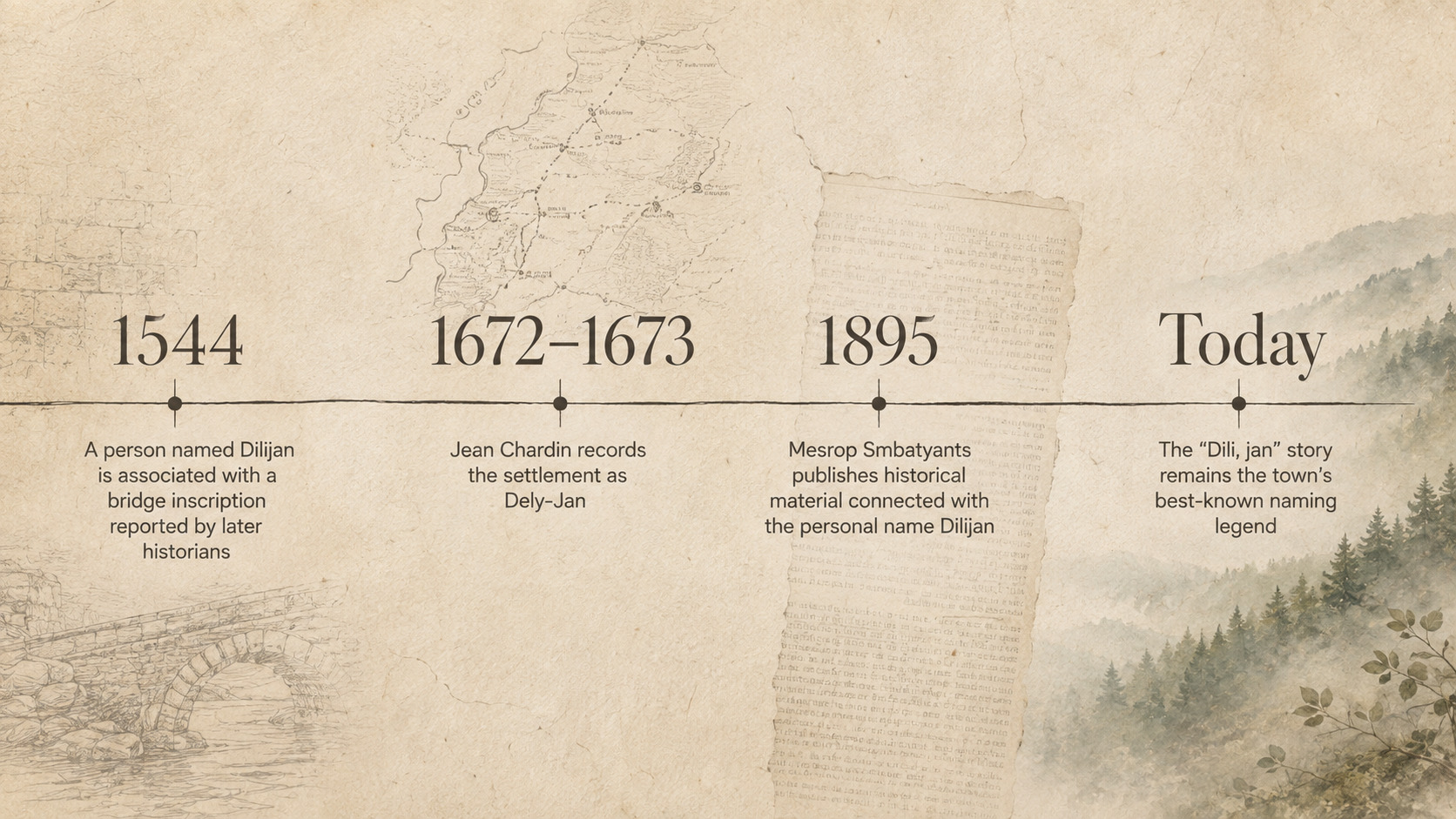
One of the earliest clearly verifiable written forms of the town’s name appears in the travel account of the French traveller Jean Chardin. During his journey through the Caucasus towards Persia in 1672-1673, Chardin passed through a settlement that he recorded as “Dely-Jan”. He described it as a village of approximately 300 houses, situated beside the river that is now known as the Aghstev. The description suggests that it was already a substantial settlement rather than a recently named stopping point.

Chardin’s account is important because it confirms that a recognisable form of the name was in use by the seventeenth century. But it does not explain where the name came from.

A sixteenth-century clue: was Dilijan originally a person’s name?

Another theory connects the town not with a spoken phrase, but with a real personal name. In an 1895 historical and geographical study, Armenian historian Mesrop Smbatyants reported information about a man named “Melik Dilijan”, described as the grandson of Hovhannes and the son of Ter-Matevos. According to the text cited by later historians, he moved from Gavar to Ghshlagh with his family and built a bridge there in 1544.

A village could have been named after a landowner, local leader, founder or influential family. Such a development would not be unusual. However, there is no surviving document that directly says: “This settlement was named after this man.” The personal-name theory is therefore more historically grounded than the romantic legend, but it is still a theory rather than a final answer.

Was there once a place called “Little Dili”?

Modern histories of Dilijan often refer to a medieval settlement called Puchur Dili, or ‘Little Dili’, and attribute the name to Kirakos Gandzaketsi. If this identification is correct, it could mean that a name related to Dili was already attached to the area during the Middle Ages – long before Chardin’s visit and before the sixteenth-century personal name recorded by Smbatyants.

The difficulty is that the exact passage is not consistently provided in popular retellings, making the claim hard to verify from readily accessible editions of Gandzaketsi’s work. It is better treated as an interesting historical possibility, not as an established first mention of Dilijan.

The same caution applies to attempts to identify modern Dilijan directly with historical “Hovk”, an area associated with royal summer residences and hunting grounds. The wider territory may have formed part of historical Hovk, but there is no clear evidence that the present town itself once carried that name.

Stagecoaches, sweet speech and other popular explanations

Another popular story links Dilijan with the French word “diligence”, meaning a stagecoach. Some local retellings connect it with European missionaries travelling through the Aghstev Valley in the seventeenth century. No documentary evidence shows that they named (or renamed) the settlement, however, so the resemblance is best treated as folk etymology rather than historical explanation.

Another popular interpretation claims that “Dili jan” means something like “sweet tongue” and refers to the pleasant speech or dialect of local residents. This explanation is closer to wordplay than academic etymology. It may express local pride, but it does not establish the historical origin of the name.

These theories are examples of folk etymology: people hear familiar words inside an old or unclear name and create a story that explains them.

So where did the name Dilijan come from?

The exact answer remains unknown.

By the seventeenth century, a recognisable form of the name was already being used for a large settlement. Historical references also suggest that Dilijan may previously have existed as a personal or family name. An even earlier connection with a medieval “Little Dili” is possible, although it requires stronger primary-source confirmation.

The most famous “Dili, jan” story belongs to folklore. There is no historical evidence that a grieving mother’s call literally created the town’s name.

But that does not mean historians have destroyed the legend. They have simply placed it where it belongs: not in the town’s official birth certificate, but in its cultural memory. The documents preserve the name. The legend gives it a voice.

Apicius Armenia

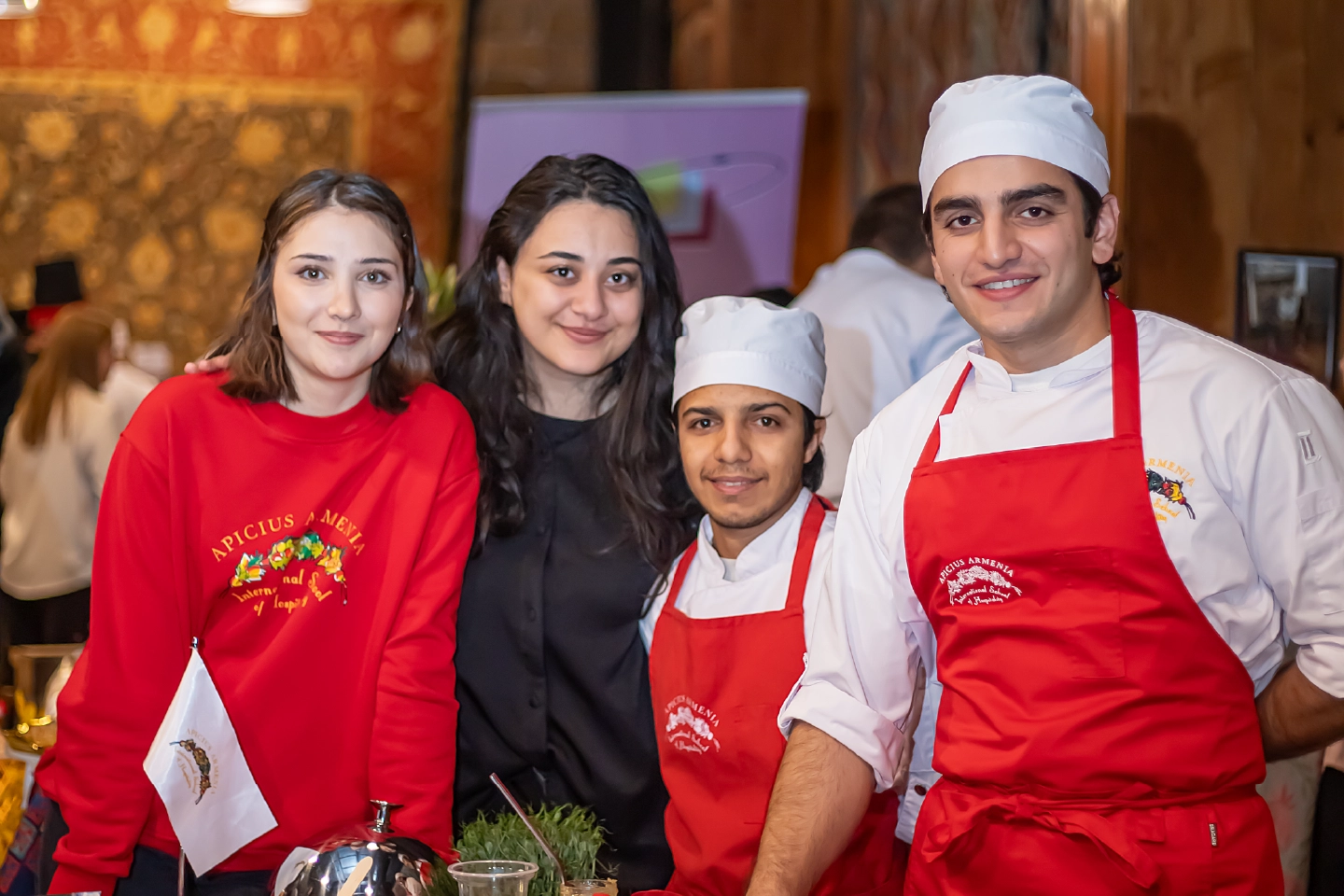
Apicius Armenia - это инновационный центр кулинарного образования и гостеприимства, открытие которого состоялось в сентябре 2025 года в Дилижане, Армения.

Проект реализуется благодаря сотрудничеству между фондом Грин Рок и Международной школой гостеприимства Apicius (Apicius International School of Hospitality) с целью внедрения в Армении образования европейского стандарта в сфере гостеприимства.

Главная цель проекта - предоставить высококачественное образование в сфере гостеприимства на региональном уровне, основанное на практическом обучении.

С первого дня студенты работают над реальными отраслевыми задачами, получая практические знания и навыки, необходимые для успешной международной карьеры.

Для получения дополнительной информации: apicius.am

DiliDogs City

Описание проблемы

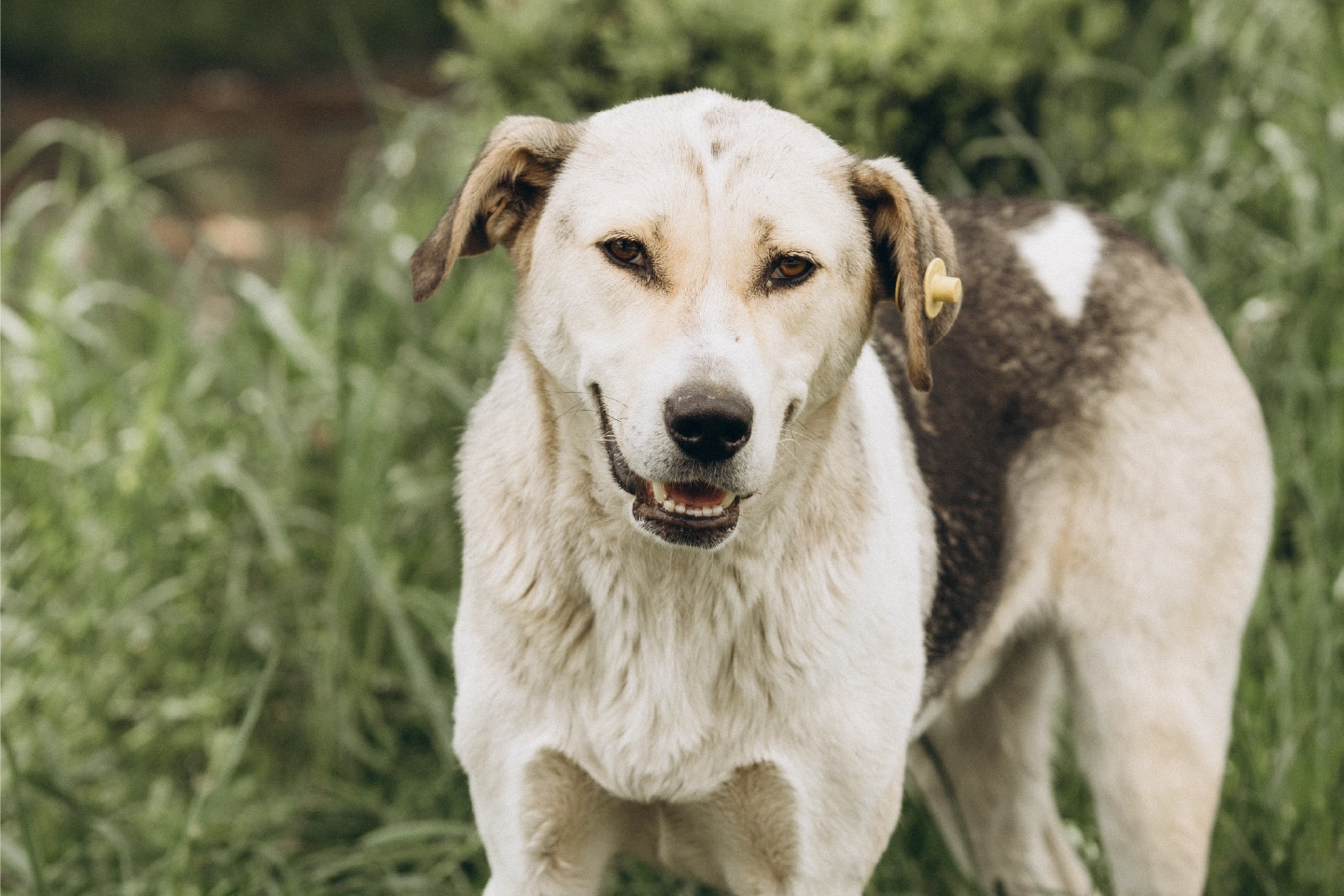
Дилижан продолжает сталкиваться с проблемами, связанными с растущей популяцией бездомных собак. Многие собаки не стерилизованы и не вакцинированы, что приводит к неконтролируемому росту популяции, повышенному риску заболеваний и опасениям жителей по поводу безопасности. Восприятие сообщества также формируется под влиянием дезинформации и давних мифов о стерилизации, правилах кормления и поведении собак. В то же время в Дилижане отсутствует системный подход к гуманному обращению с собаками и просвещению населения. Несмотря на эти проблемы, город имеет большой потенциал стать образцом устойчивого и гуманного управления популяцией бездомных собак благодаря вовлеченному сообществу и существующим информационным кампаниям, запущенным Грин Рок фондом (GRF).

Цель проекта

Создать гуманную, эффективную и устойчивую модель управления популяцией бездомных собак в Дилижане посредством стерилизации, вакцинации, просвещения сообщества и долгосрочного мониторинга, тем самым обеспечивая здоровье собак, более безопасную среду и улучшение сосуществования людей и животных.

  1. К декабрю 2026 года значительно сократить количество нестерилизованных уличных собак в Дилижане с помощью программы непрерывной стерилизации, реализуемой совместно с ветеринарными партнерами.
  2. К концу 2026 года обеспечить широкий охват бездомных собак вакцинацией, снизив риски инфекционных заболеваний, поражающих животных и население.
  3. В течение 2026 года создать и распространить серию образовательных материалов, которые развенчивают мифы о собаках, пропагандируют безопасное поведение, поощряют ответственное владение и освещают методы гуманного ухода за собаками.
  4. К середине 2026 года создать небольшую, но функциональную сеть волонтеров, ответственных владельцев и приемных семей, активно поддерживающих проект.
  5. В течение года вести обновляемый учет стерилизованных и вакцинированных собак для поддержки научно обоснованной и прозрачной системы управления.

Описание проекта

Проект DiliDog City будет реализовываться через три взаимосвязанных компонента.

Первый сосредоточен на ветеринарных вмешательствах, включая стерилизацию, вакцинацию, дегельминтизацию и идентификацию уличных собак. Эти мероприятия будут проводиться в сотрудничестве с квалифицированными ветеринарами и поддерживаться четкой системой мониторинга для отслеживания статуса каждой собаки.

Второй компонент - это кампания по просвещению общественности , направленная на борьбу с распространенными заблуждениями и предоставление практических знаний. С помощью видеороликов, публикаций, интервью и комментариев экспертов кампания объяснит, почему стерилизация гуманна и необходима, как безопасно взаимодействовать с уличными собаками, что значит ответственное владение и как временная передержка и усыновление могут способствовать оздоровлению популяции собак.

Третий компонент делает акцент на вовлечении сообщества. Жители, владельцы бизнеса и волонтеры будут приглашены к участию в информационных акциях, программах передержки и механизмах информирования. Такой подход усиливает чувство местной ответственности и побуждает сообщество стать активным партнером в инициативах по защите животных.

Ожидаемые результаты

К концу 2026 года в Дилижане будет более стабильная и здоровая популяция собак со снижением неконтролируемого размножения и рисков заболеваний. Жители улучшат свои знания и обретут уверенность в вопросах поведения уличных собак и гуманного обращения с ними, что приведет к изменению отношения в обществе. Основная группа обученных волонтеров и сторонников станет базой для долгосрочной устойчивости проекта. Город выиграет от более чистой, безопасной и сбалансированной среды, в то время как Фонд Green Rock позиционирует Дилижан как ведущую модель этичного управления популяцией бездомных собак в Армении.

Устойчивость

Проект создает воспроизводимую и долгосрочную модель. Образовательный контент остается доступным в Интернете для постоянного просвещения населения, в то время как стерилизация и вакцинация снижают потребность в будущих крупномасштабных вмешательствах. Сеть волонтеров и сообщества, созданная в рамках проекта, формирует основу для будущего роста, а структурированная система мониторинга обеспечивает непрерывность и прозрачность.

Для получения дополнительной информации: greenrock.foundation

100 женщин Дилижана

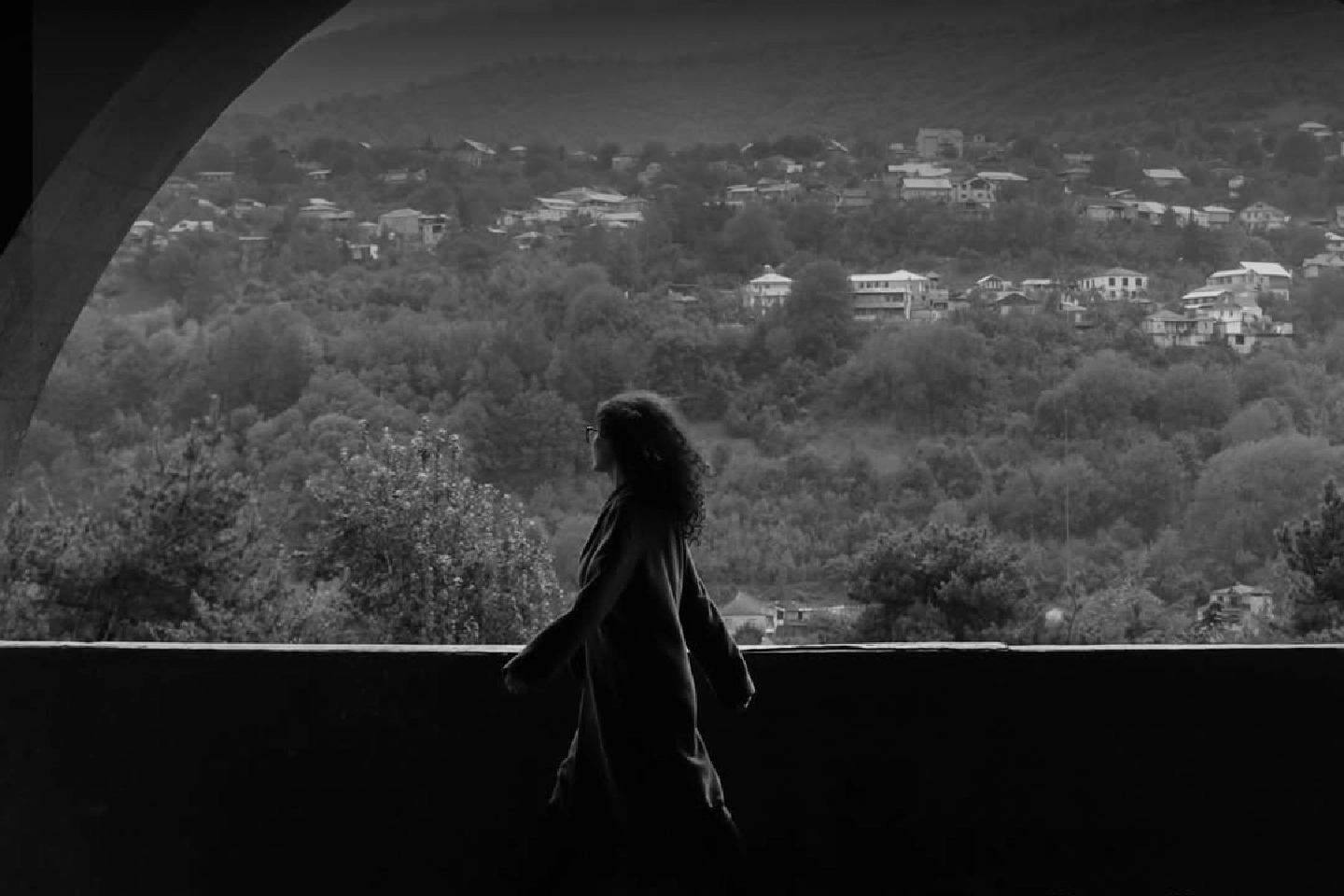
Этот 100 женщин Дилижана » направлен на выявление, документирование и демонстрацию историй, опыта и вклада женщин Дилижана в развитие своего сообщества.

Проект объединяет женщин разных возрастов, профессий и происхождения, подчеркивая их роль в культурной, образовательной, социальной и экономической жизни города. Каждая история отражает не только индивидуальный путь, но и идентичность, ценности и видение будущего Дилижана.

Главная цель проекта - повысить узнаваемость женщин, поощрять взаимную поддержку и создать платформу, которая сохраняет и делится живыми историями сообщества. Он стремится укрепить связи между поколениями, воспитать чувство принадлежности и признать важную роль, которую женщины играют в формировании жизни сообщества.

Проект также решает проблему недостаточной представленности достижений и опыта женщин, создавая новый формат для сохранения культурной памяти и наследия сообщества. Помимо документирования настоящего, он создает ценный архив для будущих поколений.

В рамках инициативы будут поэтапно организованы три фотовыставки, в каждой из которых примут участие группы по 25 участниц. Финальная и самая масштабная выставка соберет вместе всех 100 женщин, создав коллективный портрет достижений, историй и силы женщин Дилижана.

Этот 100 женщин Дилижана » отражает основные ценности Фонда Green Rock: развитие сообщества, инклюзивность, сохранение культурного наследия, расширение прав и возможностей женщин и прославление уникальной идентичности Дилижана через человеческие истории.

Для получения дополнительной информации: greenrock.foundation