English Հայերեն Русский

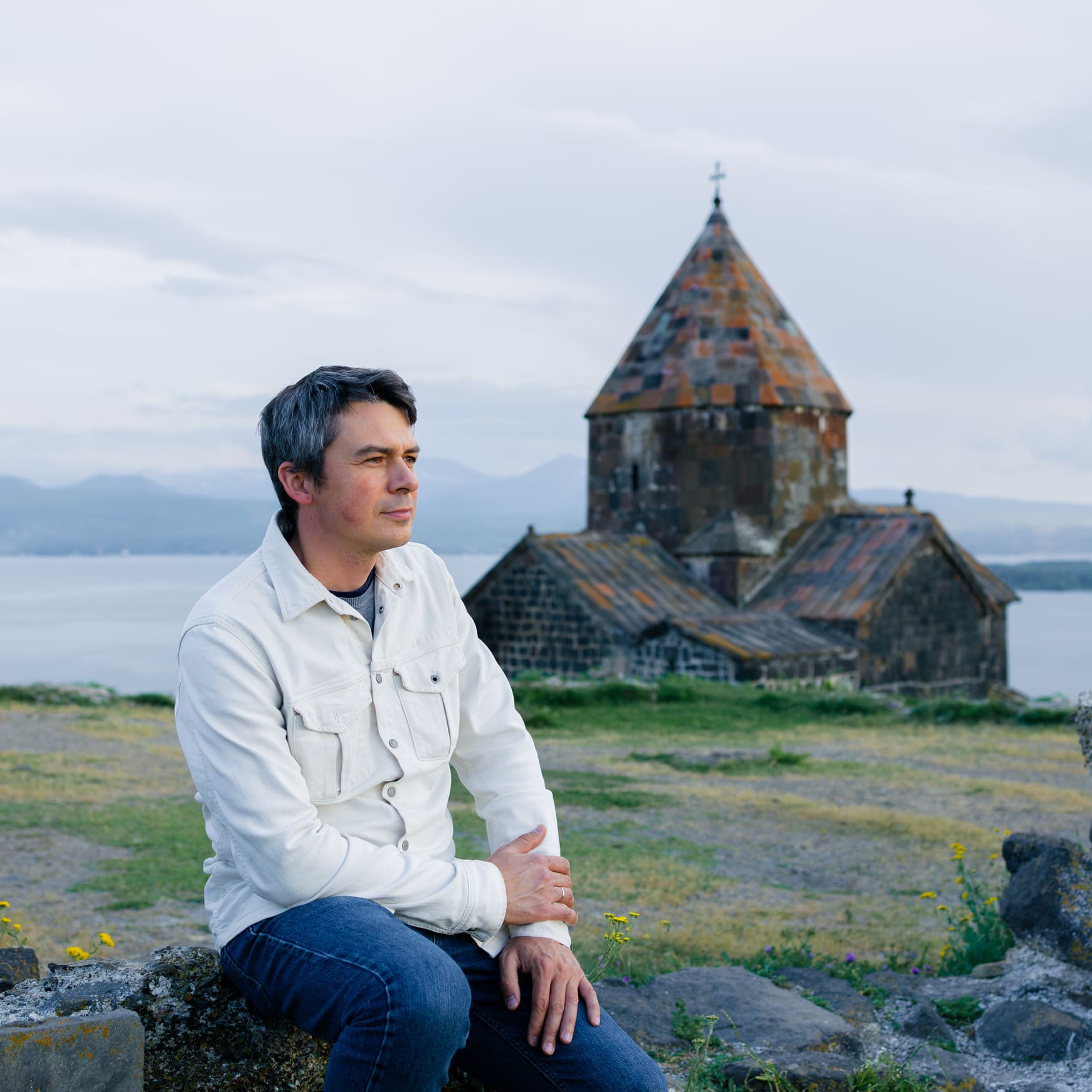
DANIEL ULIKHANYAN

Guide · 5 years in the profession · co-founder of Ulikhanyan Travel

“Dilijan is proof that paradise on Earth exists.”

Journey

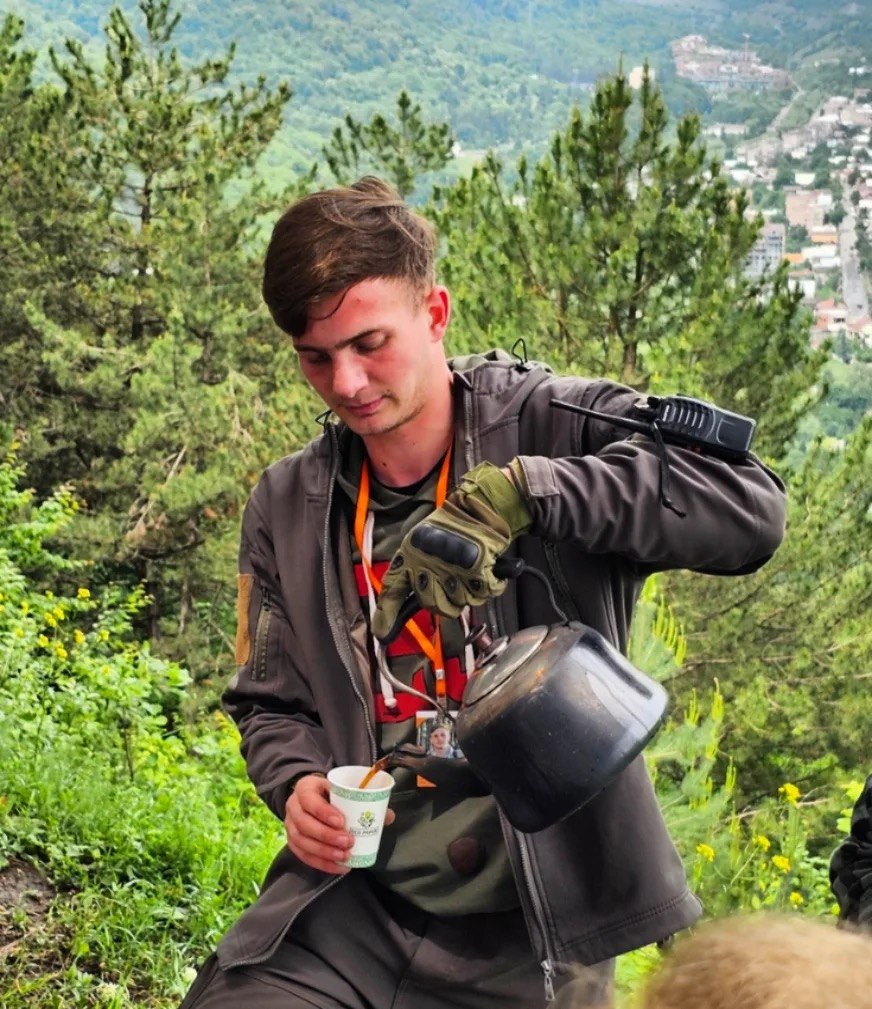
Daniel grew up in the forests and mountains around Dilijan. At some point he wanted to share that beauty with others — to show guests the city, its nature, and its history. Today he’s a guide and co-founder of Ulikhanyan Travel, which runs active outdoor trips across the Tavush region — mostly jeep tours and hiking routes.

The Voice of the City

There’s a legend about how the city got its name: long ago, a hunter lived here with his dog, Dilijan. One day, out hunting, the dog ran deep into the forest and disappeared — the hunter searched for her for several days. She found her own way home, exhausted but alive, guided back by the forests, clear streams, and familiar trails. People still say: “The forests of Dilijan never let go of those who once belonged to them.”

“What’s the weather like?” is the question Daniel gets asked most. “Unpredictable,” he says — sun and rain can hit the same day, and the temperature can shift completely just a couple of kilometers down the gorge.

Daniel’s Picks

If you have an hour: the “Drunken Forest” trail — a short walk with a view over Dilijan and the surrounding mountains. Daniel and his brother built a bench and a small footbridge there — the spot is especially close to their hearts, since they made it better, so guests would have a place to stop and rest.

Hidden gem: the Old Rotunda, just a few meters from the Amphitheater — one of the few places where you can still feel the atmosphere of old Dilijan

Tip for first-timers: Take care of nature — with your whole heart. It’s our greatest treasure, and it’s on us to protect it for future generations.

Dilijan in 10 Years

“I want Dilijan to always stay lively, warm, and genuine. To welcome guests from all over the world without losing its nature, its atmosphere, or its hospitality.”

Oleg Umnov: “If Dilijan were a person, he’d be a psychologist”

Oleg Umnov moved to Armenia from Kirov with his wife and daughter. Here he makes and restores furniture. He spent three years living with his family in Yerevan before relocating to Dilijan. We talked to Oleg about how his pace of life has changed, why the neighbors feel like family, and what he thinks the town still needs.

There was never any question of where to move

We lived in Yerevan for three years and often drove out to Dilijan — slowly falling in love with the town. That’s how the idea crept in: why not get a place here. At some point, renting both an apartment and a workshop in Yerevan became too much. So we decided to change cities. We found the house through one of the local chats.

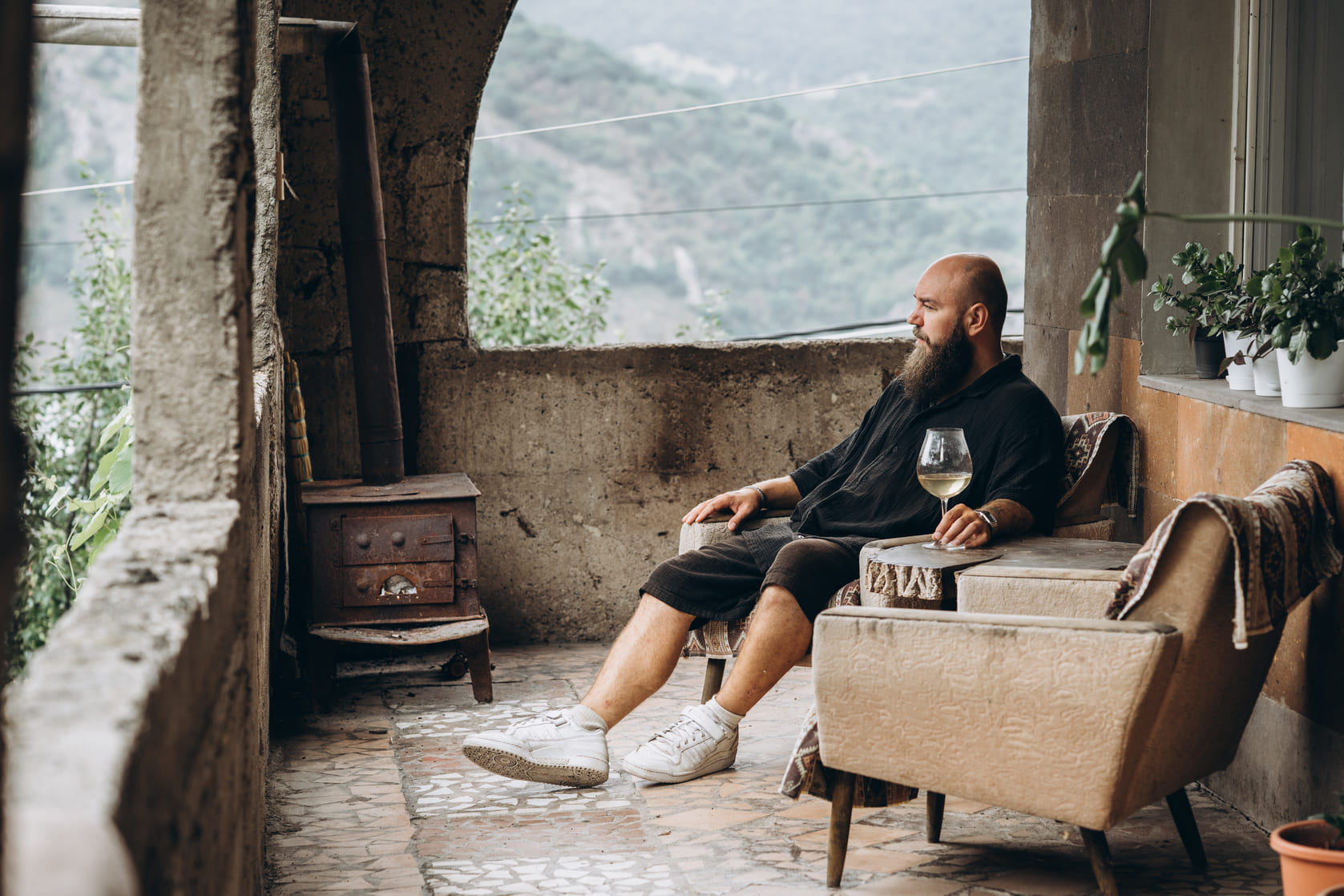
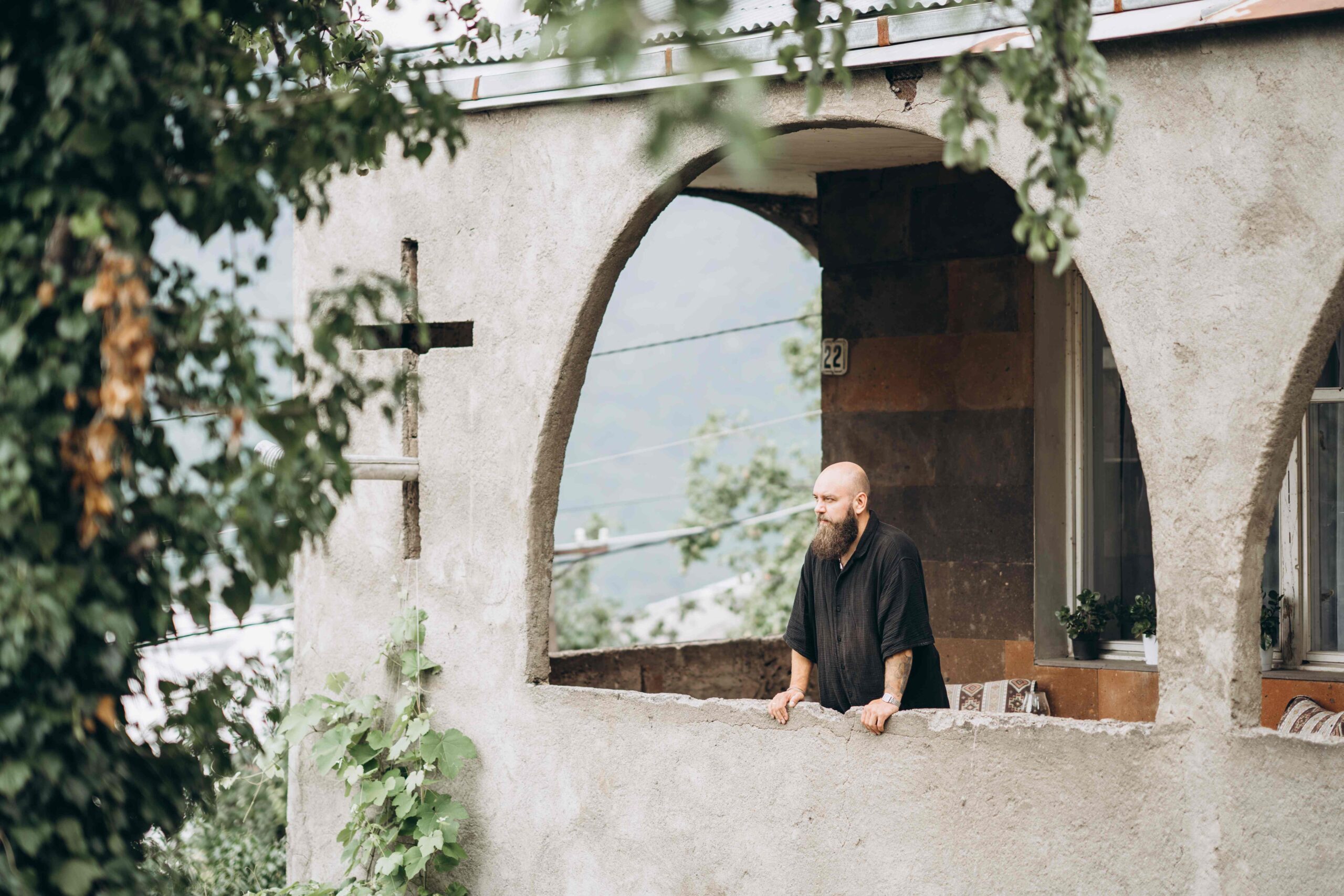
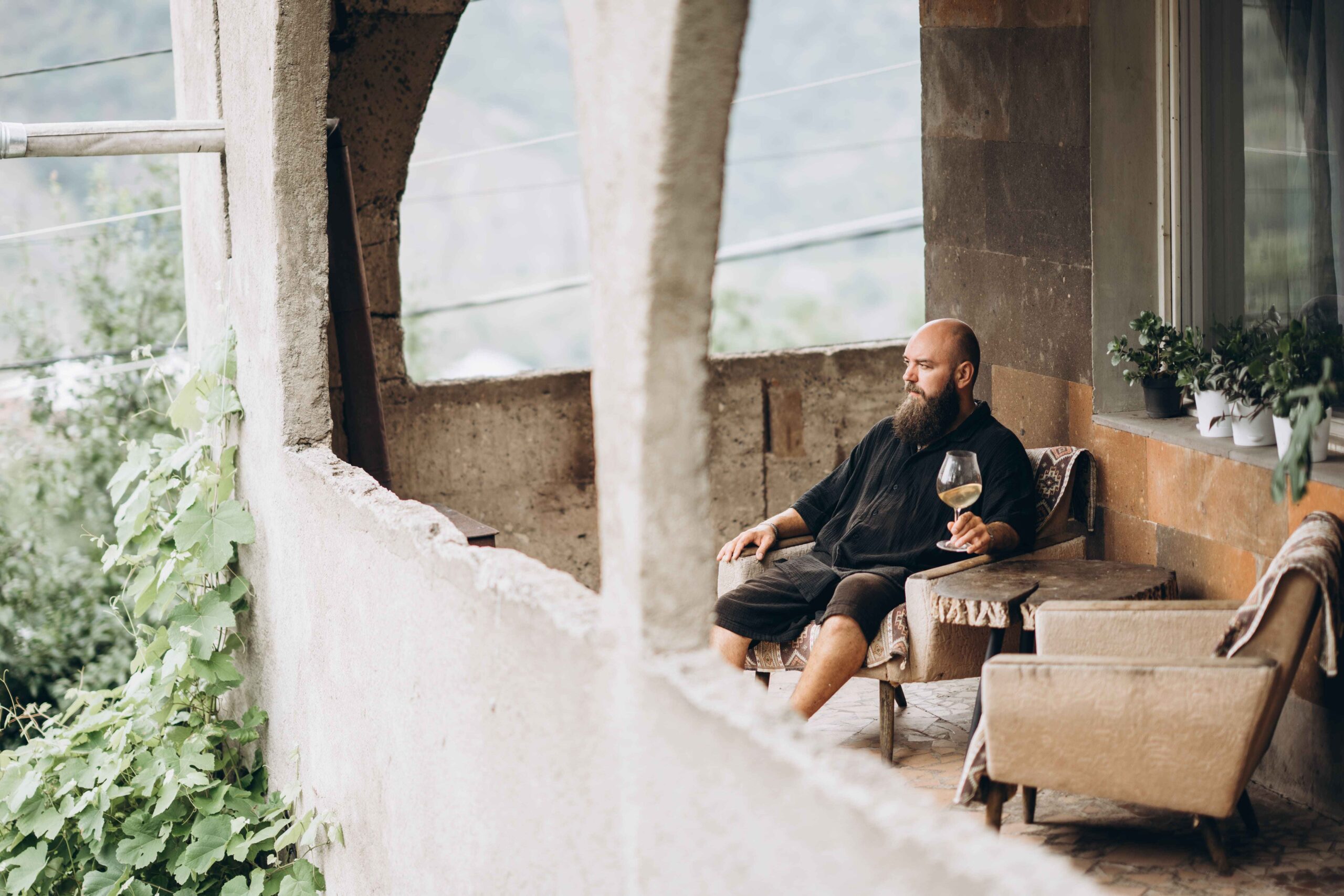
I sent my wife one photo of the balcony — she wrote back ‘we’re taking it’

The house is over 60 years old, and no one had lived in it for the last 30 of those. Even so, it was in decent shape and had a lot of potential. What scared us was that it had no power, water, or gas at all.

We started the renovation with electricity — the easiest part. We put in a new boiler, ran new pipes and radiators, and brought in water from the nearest connection point. While the work was going on, we lived in a guesthouse. Gas only showed up a month later, in October.

I started with the kitchen — had to put up a whole new wall there. Then drywall, paint, a new window, and I built the kitchen cabinets myself, out of birch plywood. It turned out really nice.

The house was full of old furniture — some of it I fixed up myself

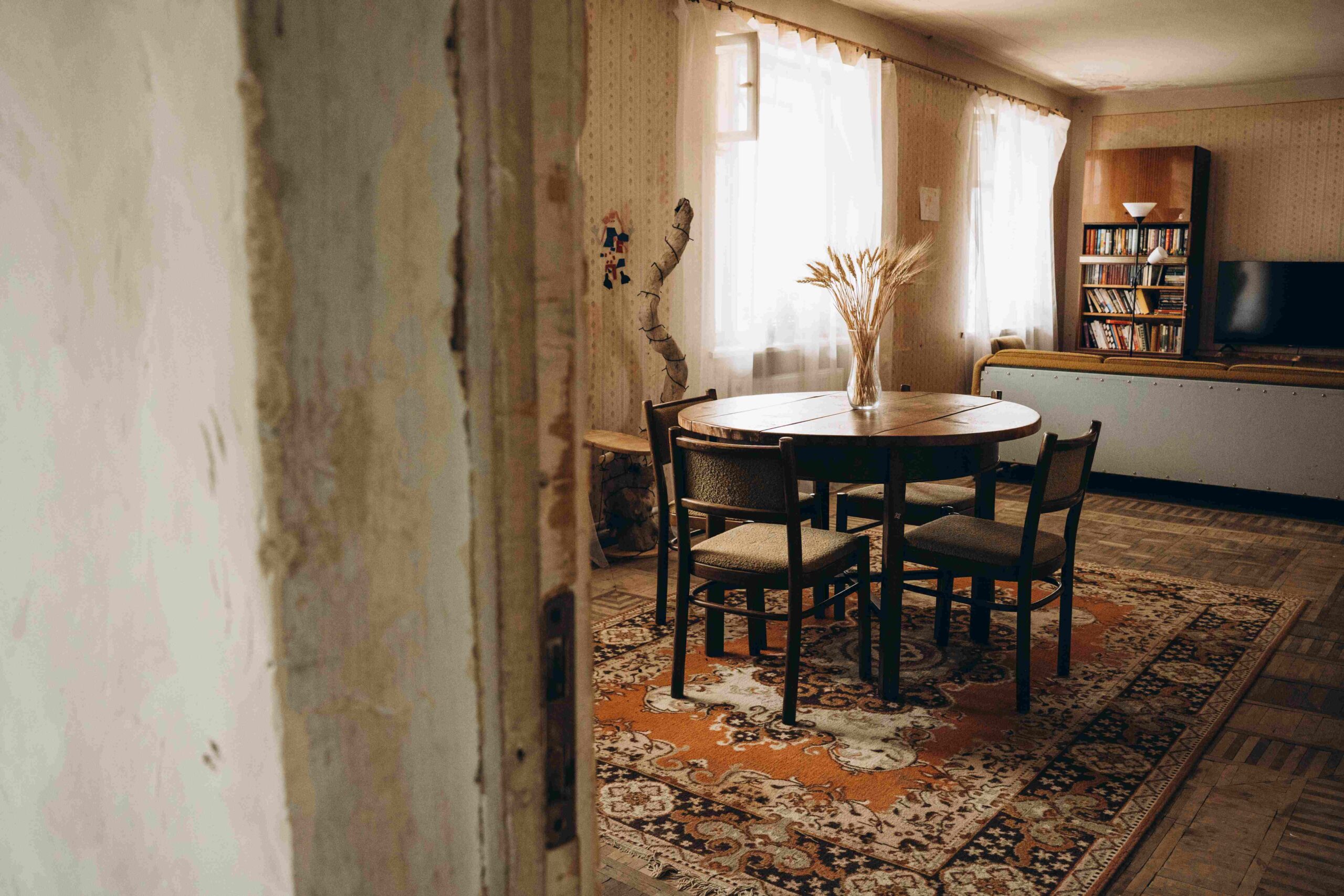
There was a beautiful old table: the base was solid wood, and I restored it, then made a new top out of an old plank. It turned into a big, handsome table.

I love old things in general, and furniture I’m working on tends to follow me from workshop to workshop. We added some new pieces too — a coffee table, some Soviet-era armchairs. It all came together very cozy.

Our garden is big, full of fruit trees

But it was almost completely covered in blackberry bushes — we’ve cleared about half of it so far. In front of the house I laid down grass, put in a small pool for our daughter, made a little vegetable patch with tomatoes and cucumbers — and, of course, flowers.

Getting to work now takes me 15 seconds

We looked for a house with both living space and workspace — downstairs we have a basement, and that’s my workshop. So getting to work I just have to walk downstairs.

So in Dilijan, we suddenly had time

In Yerevan I was in a constant rush just to cover the basics. Here the financial pressure is lower, and we’ve noticeably slowed down. An evening walk to the store became a little ritual. Neighbors were surprised at first: “What happened to your car, why are you walking?”

We also picked up a mini-tradition: regular trips to the vegetable market in Ijevan. It’s not just about the prices — an ordinary grocery run turns into a scenic little trip.

Life got tastier and cheaper — except for utilities and cafés

We started eating a lot more fresh vegetables and fruit. Twice a week, Molokan sellers come to our street — we buy milk, butter, and their famous sauerkraut from them. But for familiar brands from Yerevan, we sometimes have to drive to Vanadzor, where there’s a “Yerevan City” store.

We didn’t expect the town to be this strong on kids’ activities

Our daughter goes to a good kindergarten — cheaper than in Yerevan, with a wider program: languages, yoga, brain gym, a speech therapist.

Neighbors told us: “Welcome to the family”

Talking to people is my fuel. In three years in Yerevan I made a lot of friends, both Russian and local. It’s the same in Dilijan, only the town is smaller and the community is tighter-knit. A week after we moved in, the neighbors set up a huge table in the yard, and one of them made a toast: “Welcome to the family.” That’s when I realized I’d become a local.


In Dilijan I found calm and peace of mind

And more time with my family. And, of course, neighbors you don’t just say hi to — you drop by for coffee, for lunch, celebrate holidays together.

The first thing I show friends is our house

Guests usually stay for a night or two. To really get to know the town, you need to slow down: start with coffee or a glass of wine on the balcony with a view of the mountains, then go for a walk.

For first-time visitors, I recommend the architectural walking tour of the town, run from the local center near the park entrance. It shows you what the town was meant to be — and what never got built.

Dilijan is missing a single design code

There are already pockets of beautifully preserved architecture. If the whole town looked like that — tidy little houses, no loud signage — it would be pure magic.


Most absurd purchase after the move?
Mustard seeds

A word picked up from locals?
Tsavt Tanem

Power spot
The wine bar “Kliver”

Thing to bring from the old life
The opera and ballet theater

Sound that replaced city noise
Birdsong and the neighbor’s rooster crowing

Dilijan as a person
Would be a psychologist

Three words about the town
Close-knit, quiet, dear

Дилижан с высоты: 3 панорамные точки, ради которых стоит подняться выше центра

Дилижан с высоты: 3 панорамные точки, ради которых стоит подняться выше центра

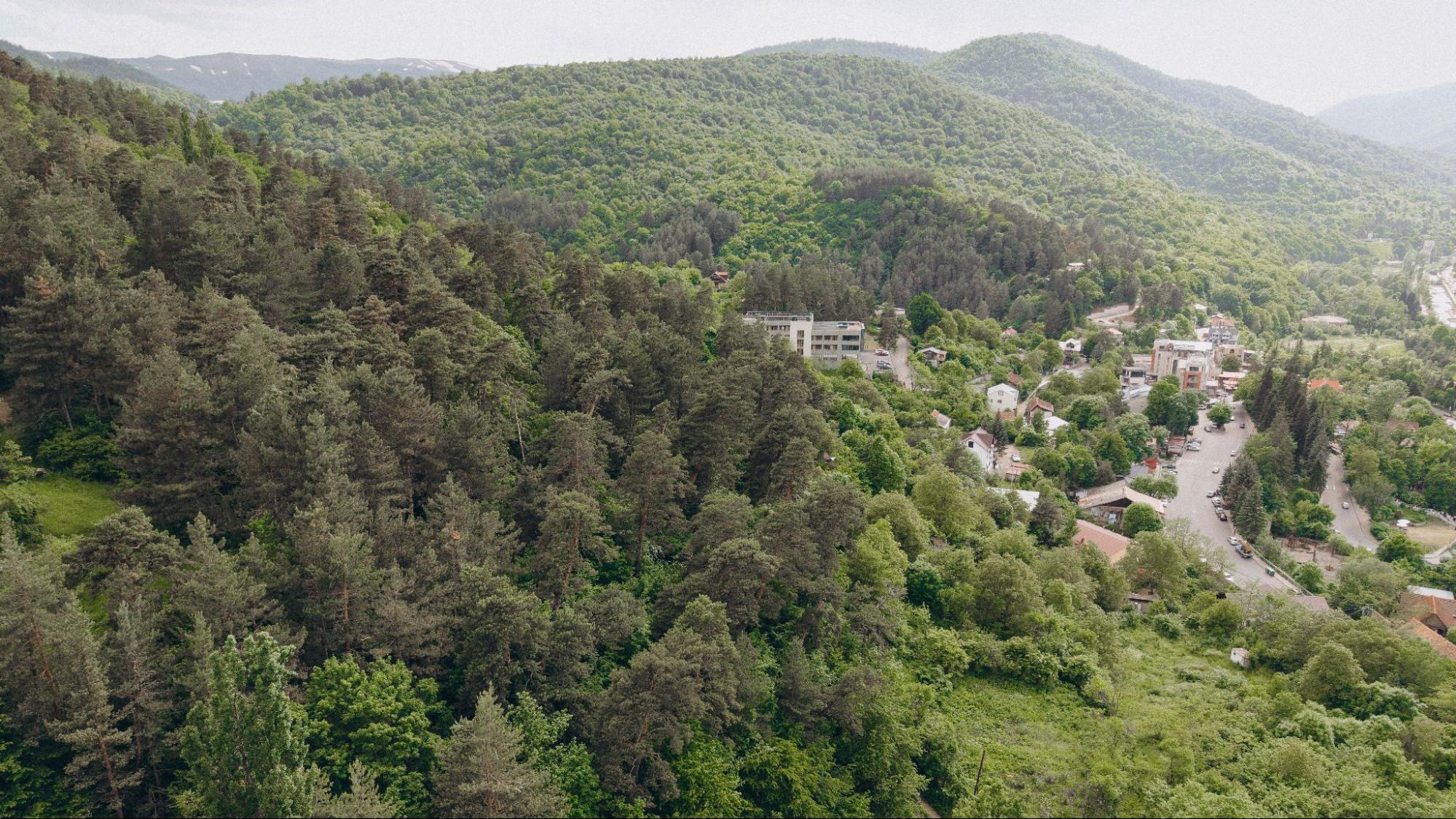
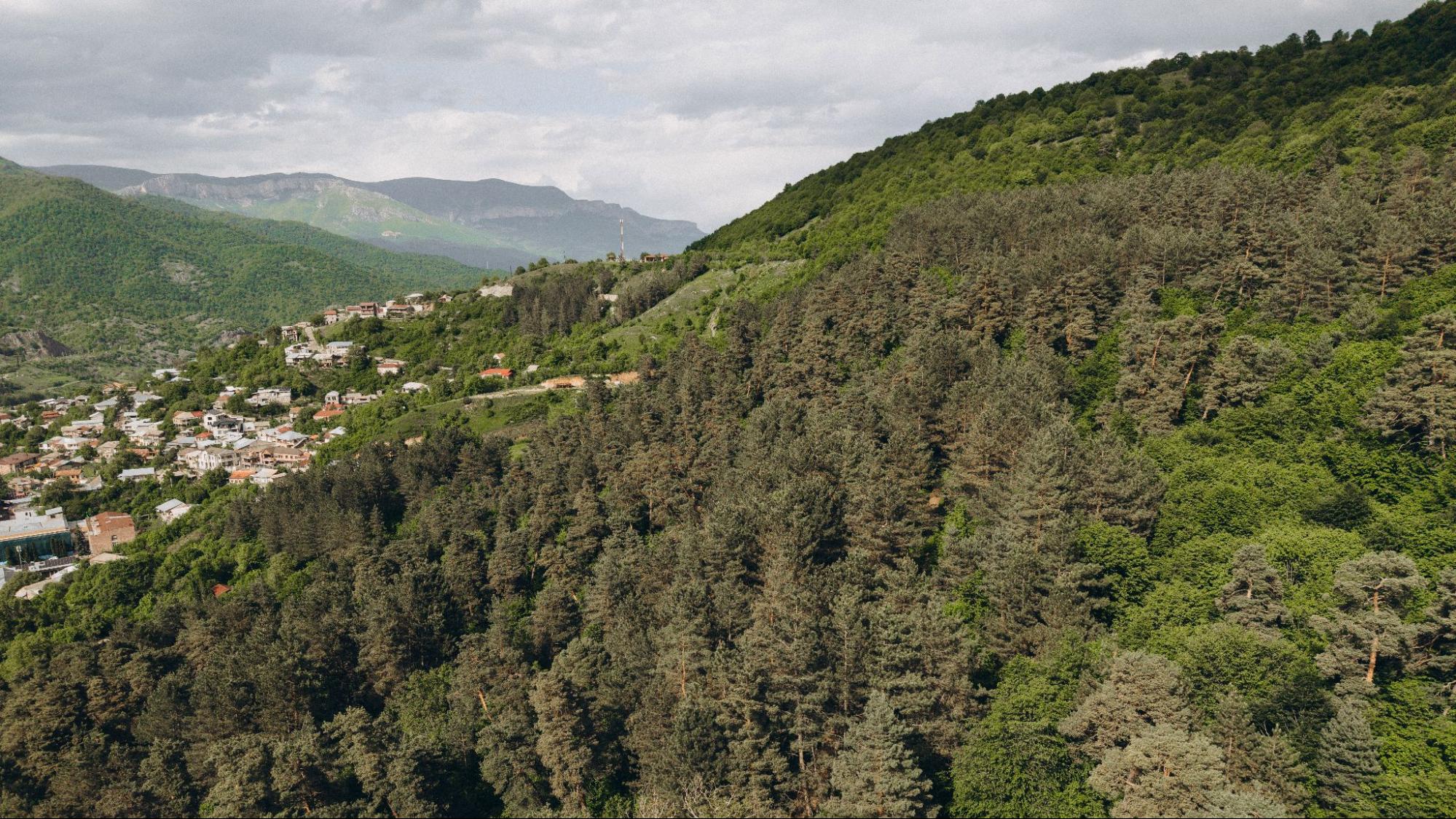
У Дилижана есть одна особенность: чем выше вы поднимаетесь, тем лучше понимаете этот город. Сверху он выглядит совсем иначе — уютные кварталы постепенно растворяются в густых лесах национального парка, а горные склоны словно обнимают город со всех сторон.

Если хочется увидеть Дилижан целиком, стоит отправиться на небольшой хайкинг и подняться к одной из этих обзорных точек.

1. «Пьяный лес» — самый атмосферный вид на Дилижан

Если спросить местных жителей, куда отправиться за красивыми видами недалеко от центра, многие посоветуют именно «Пьяный лес».

Свое необычное название это место получило благодаря соснам, чьи стволы заметно наклонены в разные стороны. Причина вполне природная — много лет назад движение грунта и небольшие оползни изменили положение деревьев, после чего они продолжили расти, постепенно изгибаясь к свету.

Но сюда приходят не только ради необычного леса.

С обзорной точки открывается одна из лучших панорам на Дилижан: город лежит внизу среди лесов, а за ним поднимаются зеленые горные склоны Национального парка. Особенно красиво здесь утром, когда долину окутывает легкий туман, и осенью, когда лес окрашивается в золотые и красные оттенки.

Что нужно знать

  • Сложность: 2/10 2/10
  • Протяженность около 1 км
  • Продолжительность: около 1 часа
  • Подходит детям: да
  • Нужен ли гид: нет
  • Лучшее время: утро, закат
  • Что взять с собой: удобную обувь, воду и камеру

Как добраться

Маршрут начинается прямо в Дилижане, поэтому сюда можно дойти пешком из центра города. Тропа хорошо заметна и подходит даже тем, кто только начинает знакомиться с хайкингом.


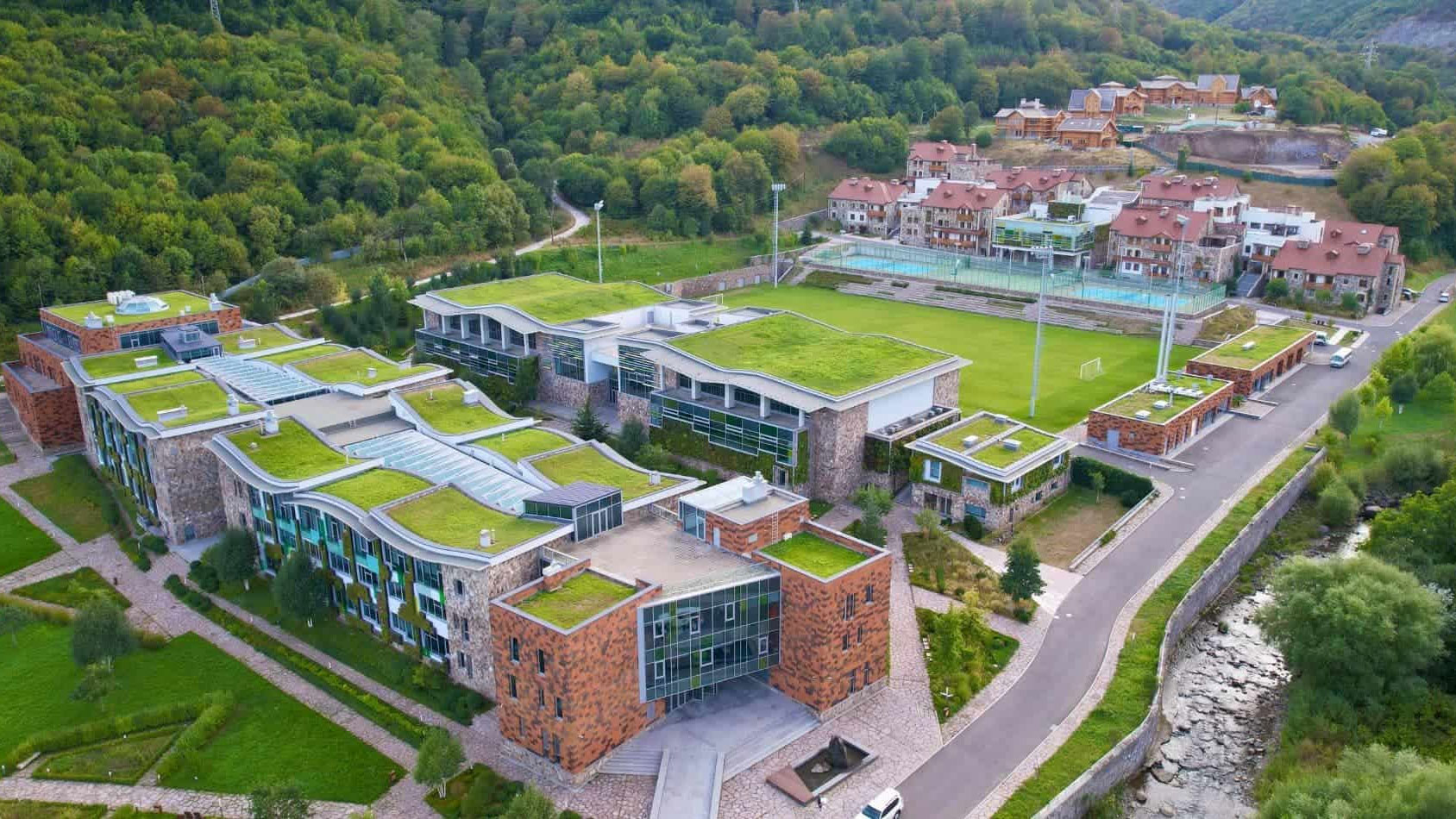
2. Смотровая площадка у Образовательно-исследовательского центра Центрального банка Армении

При въезде в Дилижан сложно не заметить необычное современное здание со стеклянными фасадами. Это Образовательно-исследовательский центр Центрального банка Армении — один из символов нового Дилижана.

Рядом находится обзорная площадка, откуда открывается широкий вид на город и окружающие горы. Особенно интересно отсюда наблюдать, как современная архитектура соседствует с густыми лесами и традиционной застройкой.

После прогулки стоит заглянуть в Музей армянского драма, который работает при Центре. Его экспозиция рассказывает историю армянской валюты и через монеты и банкноты знакомит с важными этапами истории страны.

Что нужно знать

  • Сложность: 2/10 1/10
  • Visit duration: 15–30 minutes
  • Подходит детям: да
  • Нужен ли гид: нет
  • Лучшее время: Daytime or sunset
  • Что взять с собой: A camera or smartphone

Как добраться

До площадки можно легко доехать на автомобиле или такси, а также дойти пешком из центра примерно за 30–40 минут. Нужна предварительная запись.


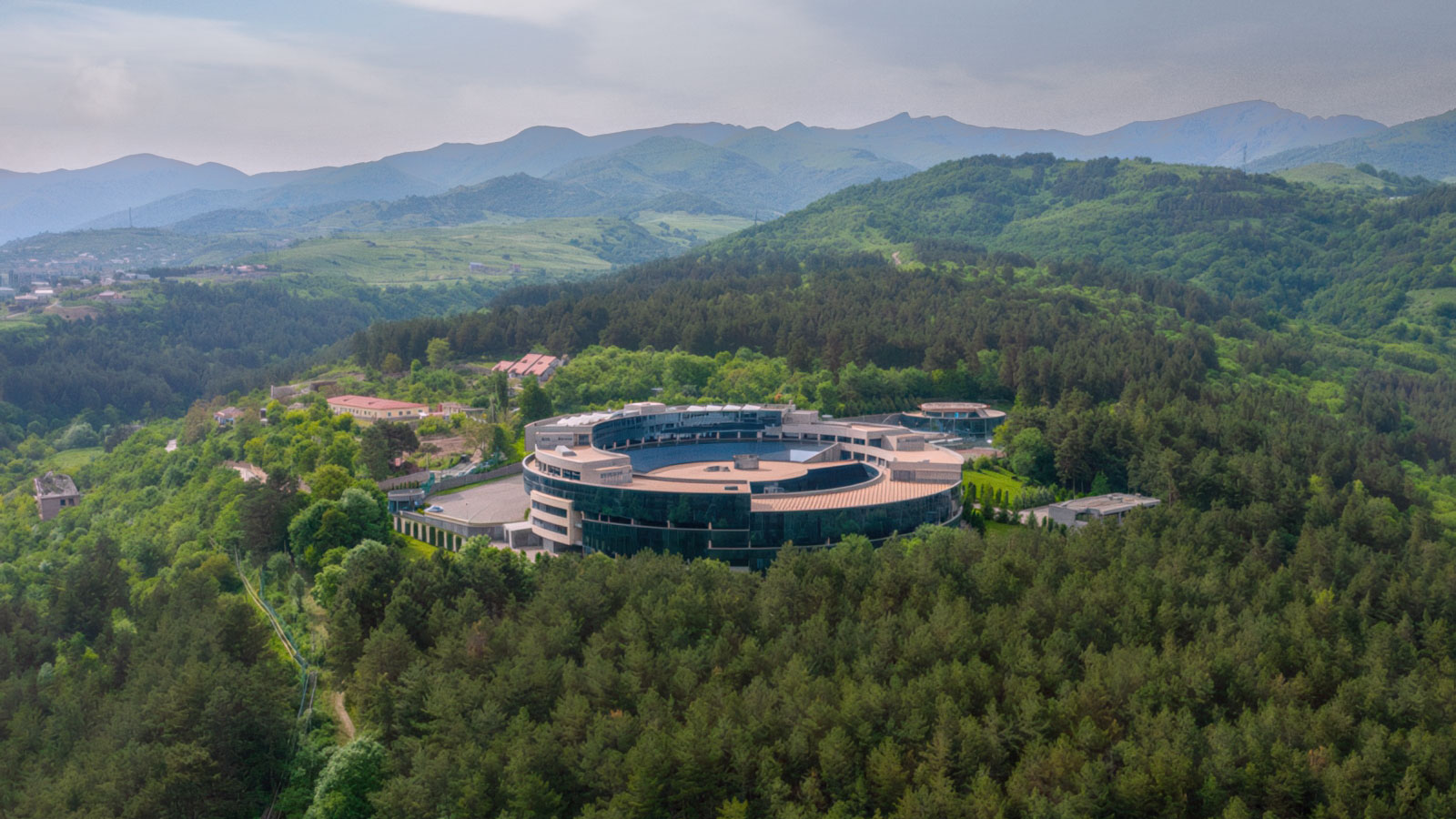
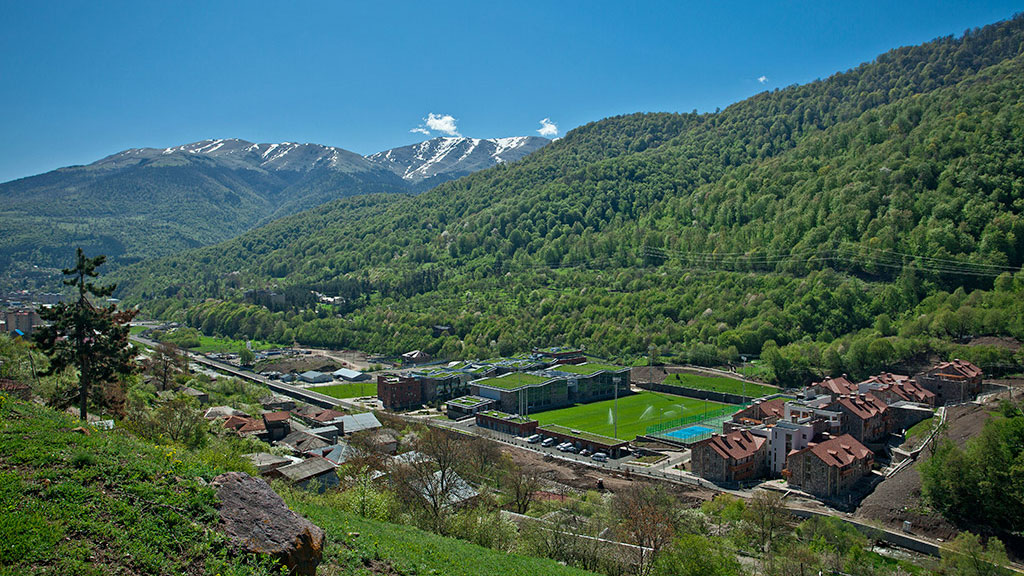
3. Панорамная площадка с видом на UWC Dilijan

Одна из самых необычных смотровых площадок города находится на возвышенности напротив международной школы UWC Dilijan.

Сам кампус давно стал одной из современных архитектурных достопримечательностей города. Светлые корпуса со стеклянными фасадами словно вырастают из леса, создавая необычный контраст между природой и современной архитектурой.

Со смотровой площадки открывается широкий вид не только на кампус, но и на окружающие горы и леса. Это одно из лучших мест для фотографий, особенно вечером, когда солнечный свет мягко подсвечивает здания.

Что нужно знать

  • Сложность: 2/10 1/10
  • Visit duration: 20–30 minutes
  • Подходит детям: да
  • Нужен ли гид: нет
  • Лучшее время: About an hour before sunset
  • Что взять с собой: A camera and a light jacket, as it can be cooler on the hillside

Как добраться

До площадки удобнее всего добраться на автомобиле или такси. При желании сюда можно подняться пешком, если вы готовы к небольшому подъёму.


Что нужно знать

Before setting out, check the weather forecast—clear days offer the best visibility, while the forests are especially beautiful after rainfall. If you’re planning to visit all three viewpoints, allow about half a day for the route and start either in the morning or later in the afternoon, when the light is ideal for photography.

Координаты

Советский Дилижан: места, которые стоит увидеть

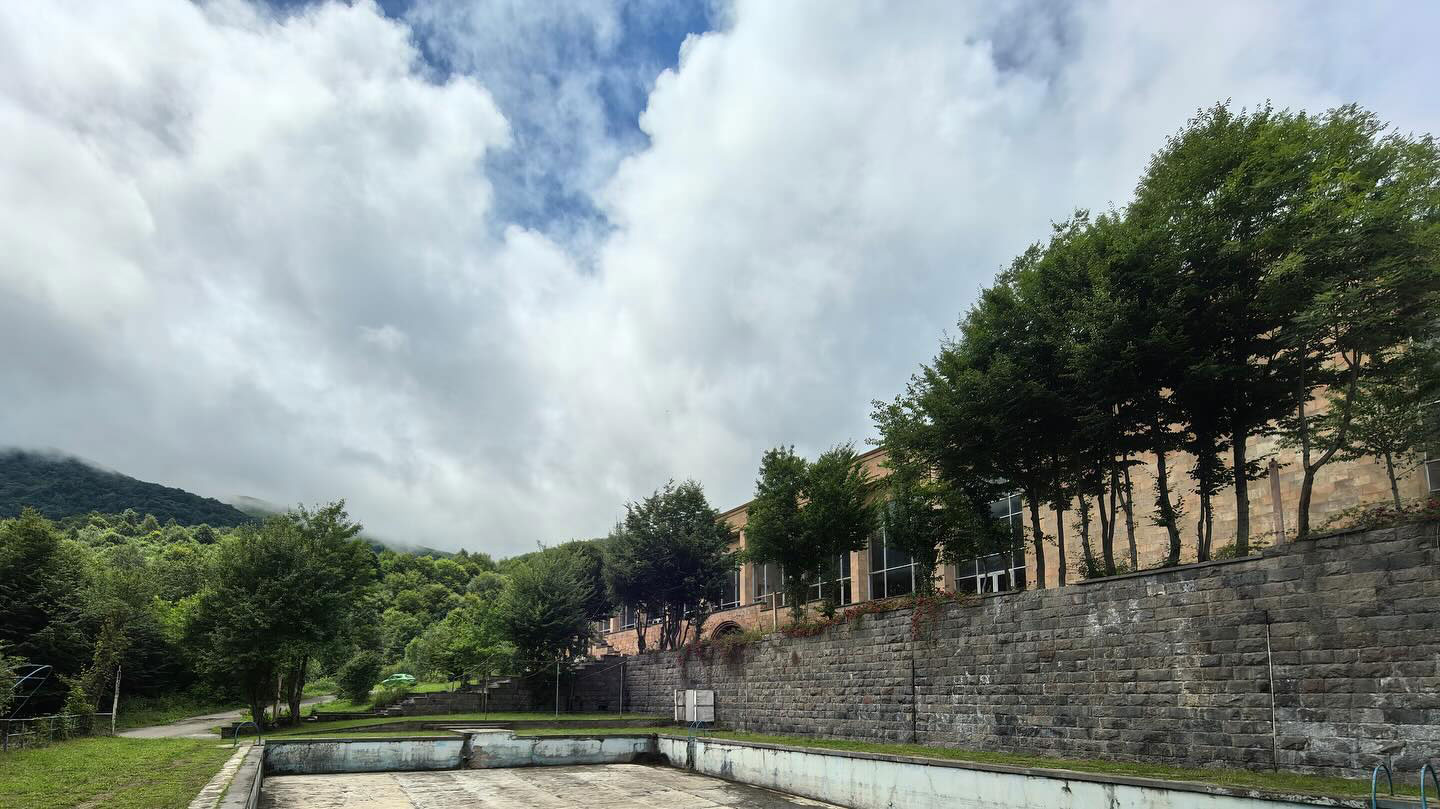
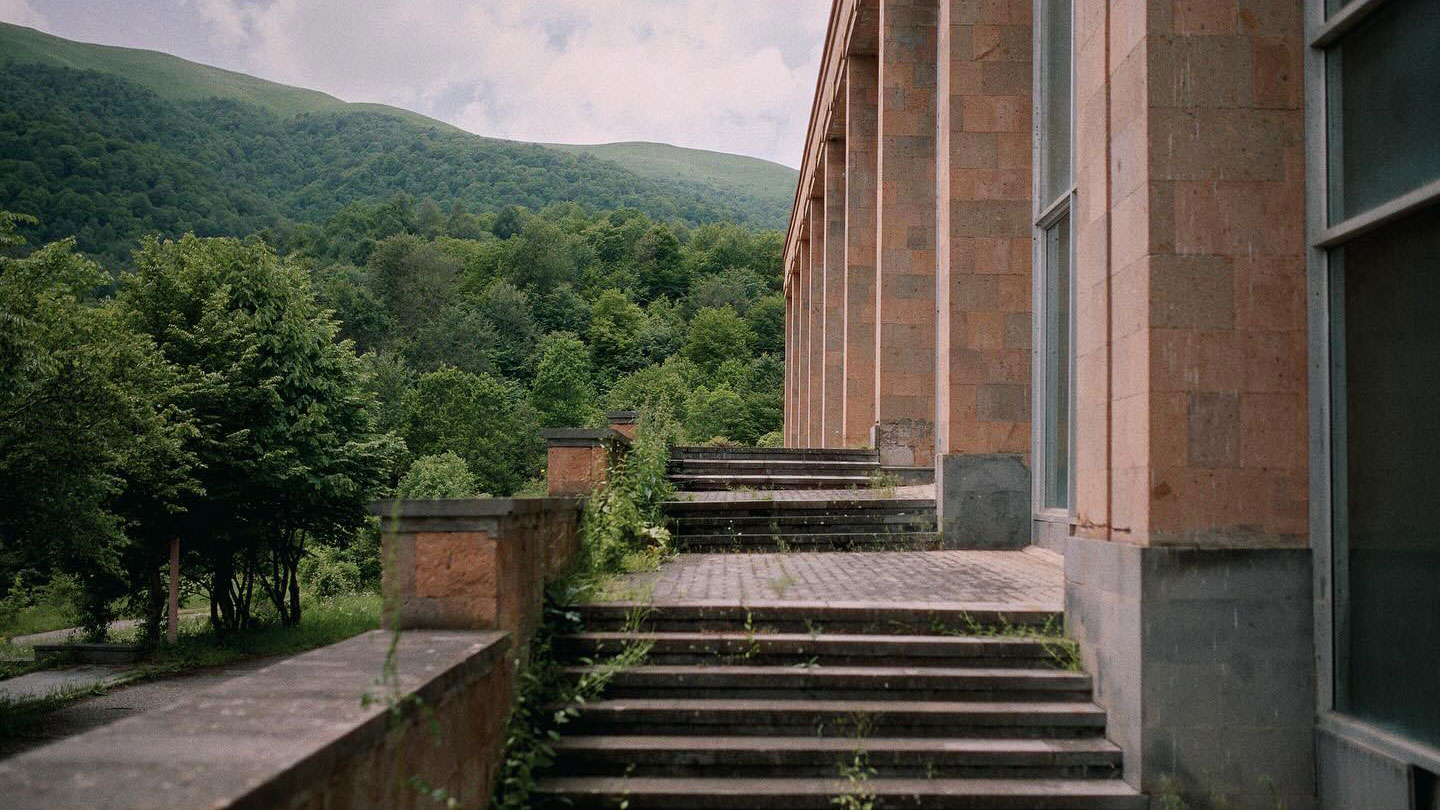
Дилижан чаще всего ассоциируется с зелёными лесами, старинными улицами и монастырями. Но если присмотреться, город хранит ещё один интересный слой своей истории — советскую архитектуру.

Во второй половине XX века Дилижан развивался как город-курорт, культурный центр и место отдыха творческой интеллигенции. Многие здания и памятники того времени сохранились до наших дней. Одни продолжают выполнять свою первоначальную функцию, другие получили новую жизнь, а третьи стали важной частью городского пейзажа.

Если вам интересно увидеть Дилижан с другой стороны, начните с этих мест.

1. Стелла «50 лет Советской Армении»
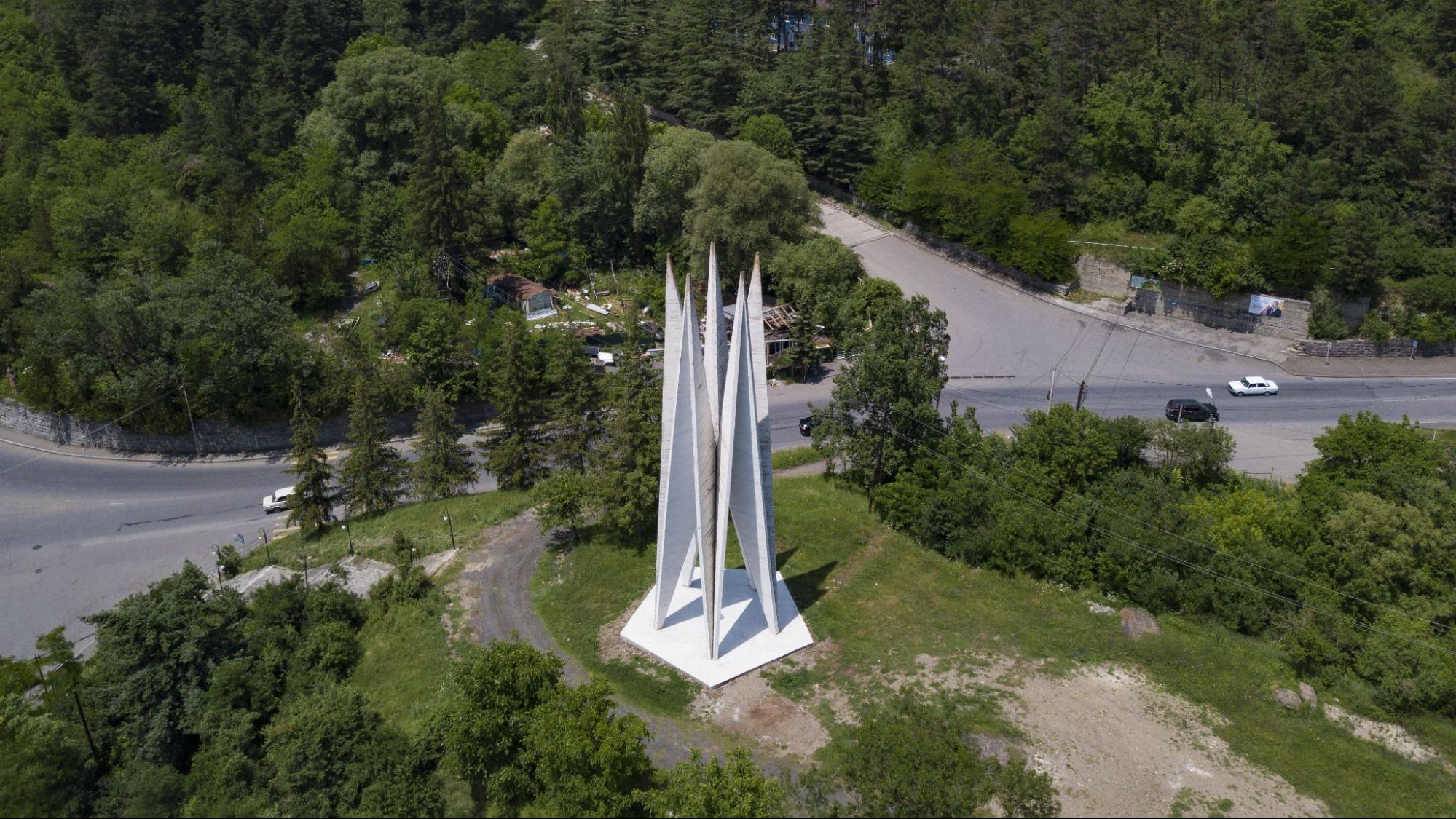
Один из самых узнаваемых памятников Дилижана встречает гостей ещё на въезде в город.

Монумент был установлен в 1970 году к 50-летию установления Советской власти в Армении. Его необычная форма в виде пятиконечной звезды сделала стелу одной из архитектурных доминант города.

Сегодня это не только памятник своей эпохи, но и один из самых узнаваемых образов Дилижана. Отсюда открываются красивые виды на город и окружающие горы, поэтому многие путешественники делают здесь первую остановку.

2. Дом творчества композиторов

Пожалуй, одно из самых известных советских зданий Дилижана.

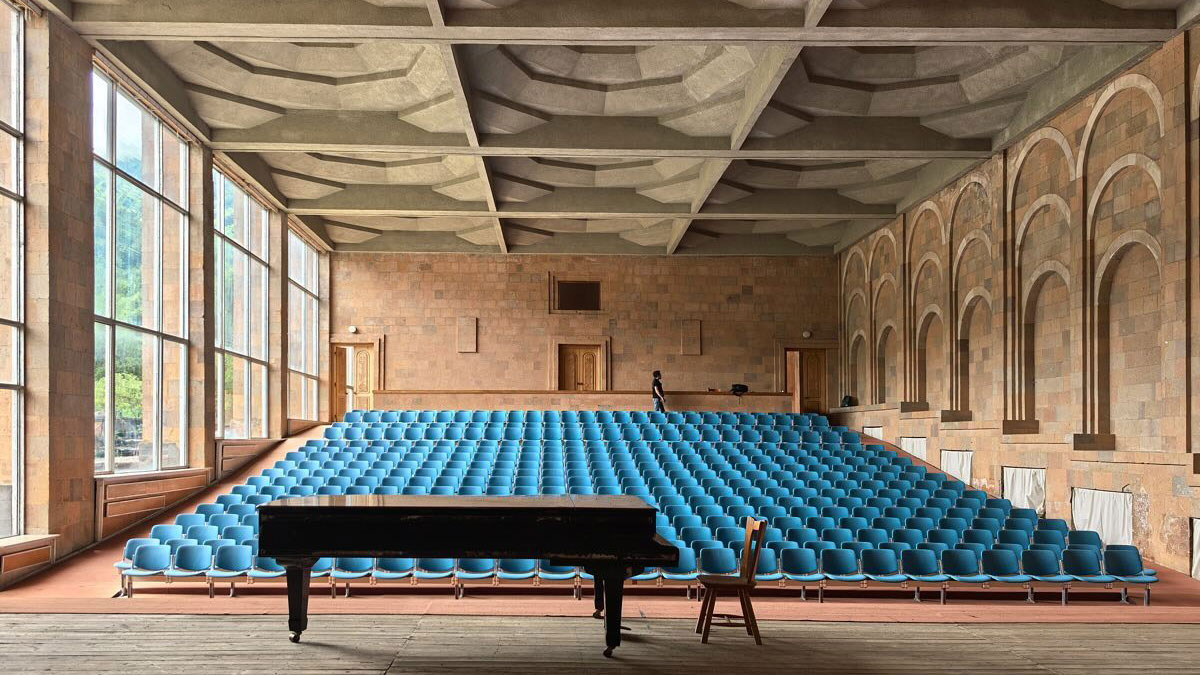
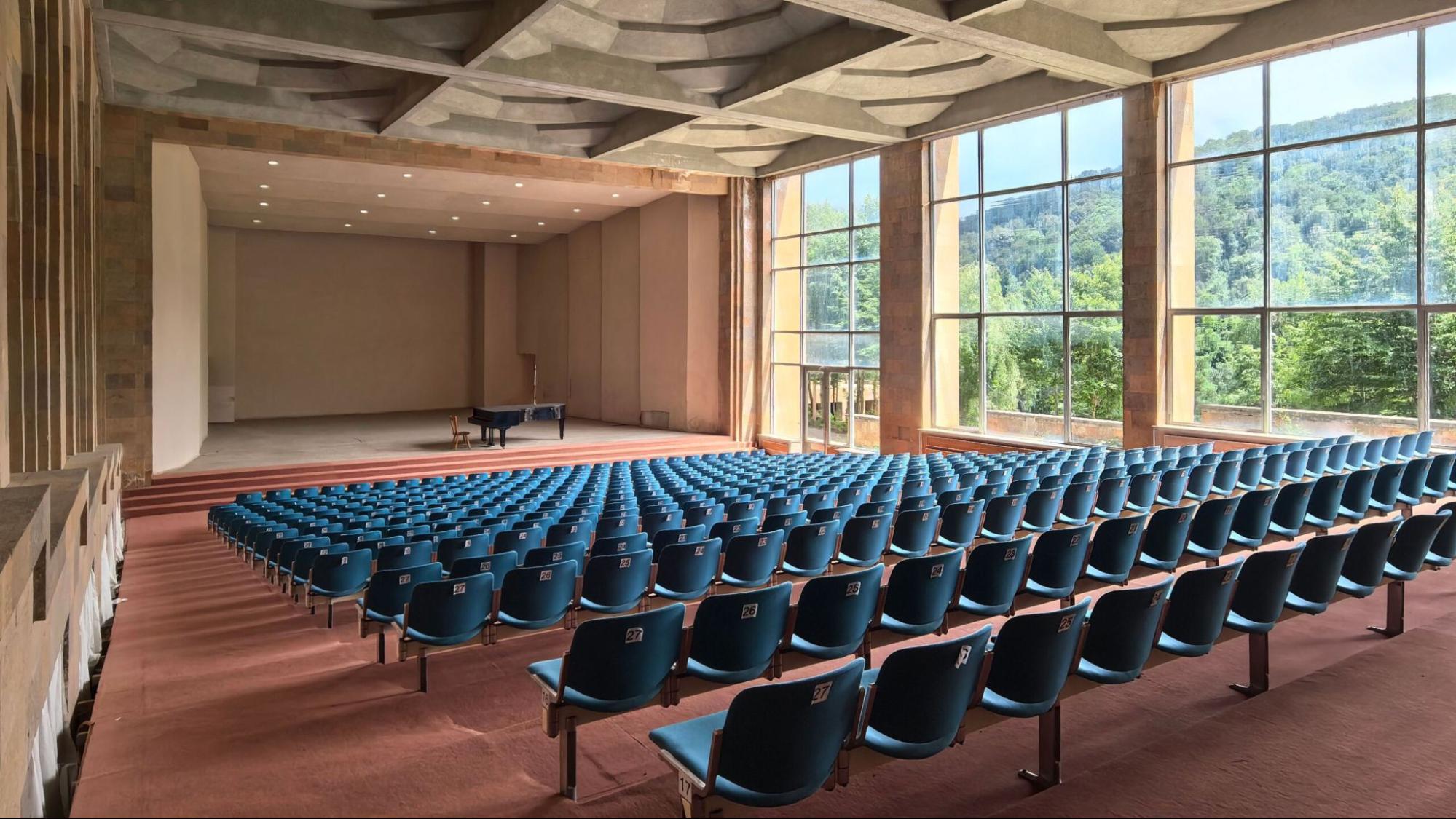
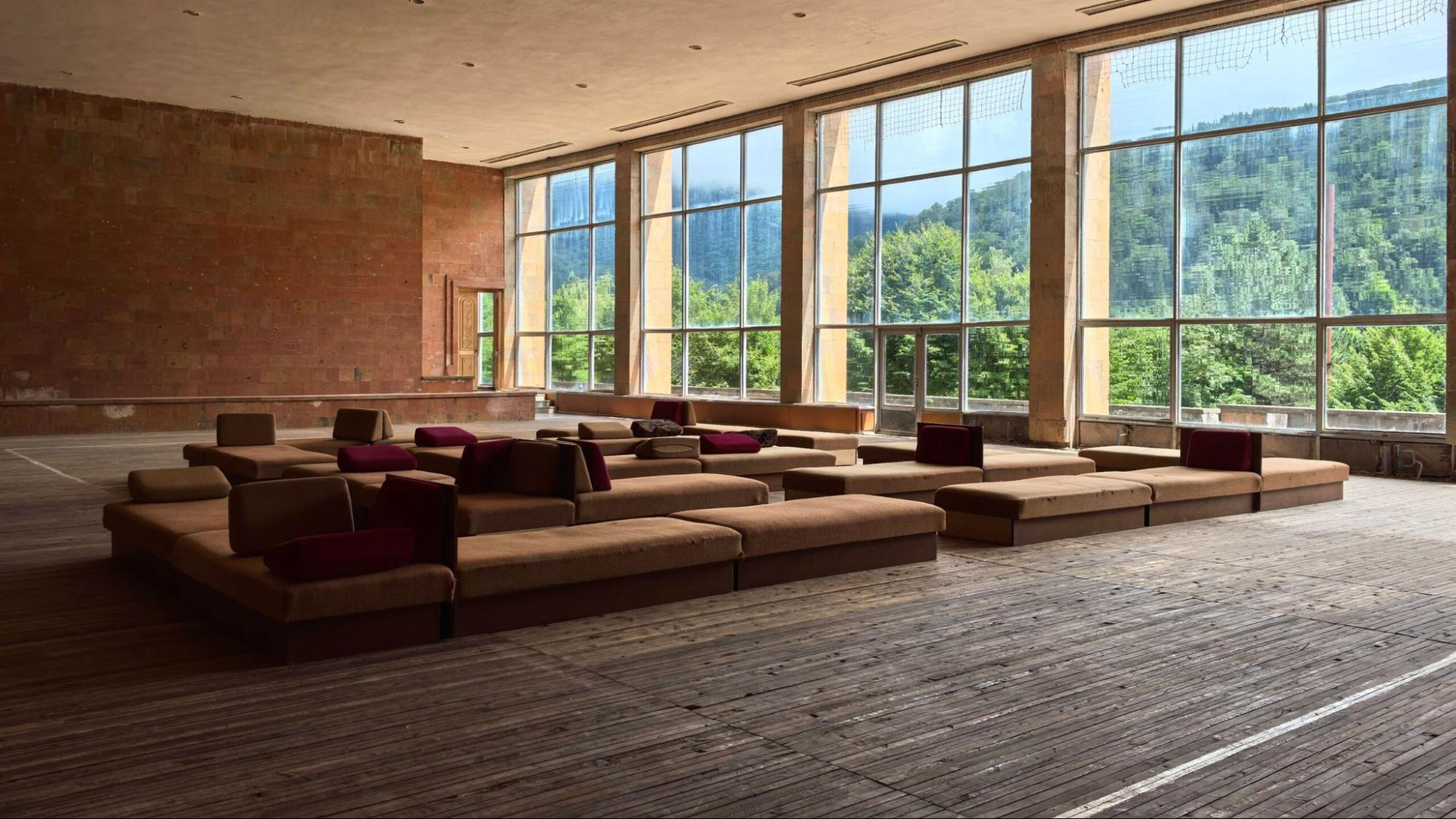
Дом творчества Союза композиторов открылся в 1963 году и быстро стал одним из главных культурных центров Советского Союза. Здесь работали и отдыхали Дмитрий Шостакович, Арам Хачатурян, Арно Бабаджанян, Родион Щедрин, Майя Плисецкая, Мстислав Ростропович и многие другие выдающиеся деятели искусства.

Комплекс был спроектирован так, чтобы музыканты могли работать в тишине: первые коттеджи располагались на расстоянии друг от друга, а вокруг был разбит сад. Именно здесь Дмитрий Шостакович работал над своим Девятым струнным квартетом.

Сегодня Дом творчества остаётся одним из символов Дилижана и напоминает о времени, когда город был местом притяжения творческой интеллигенции со всего Советского Союза. Здесь иногда проходят концерты и фестивали, и если вам повезёт попасть на одно из таких событий — это лучший способ почувствовать, что место до сих пор живёт музыкой.

3. Модернистский центр города

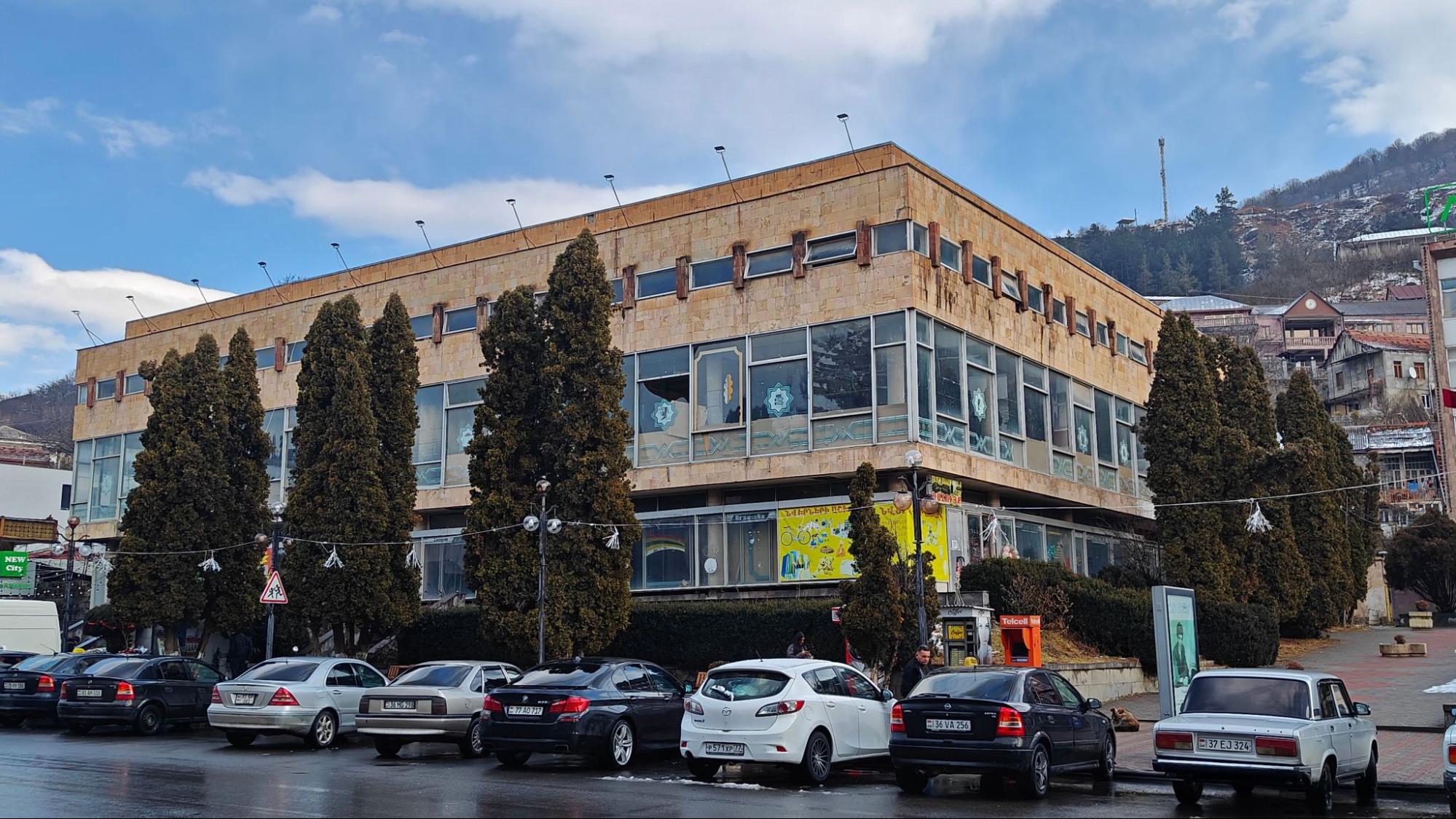
После того как в 1958 году Дилижан получил статус города-курорта республиканского подчинения, в городе началось масштабное благоустройство.

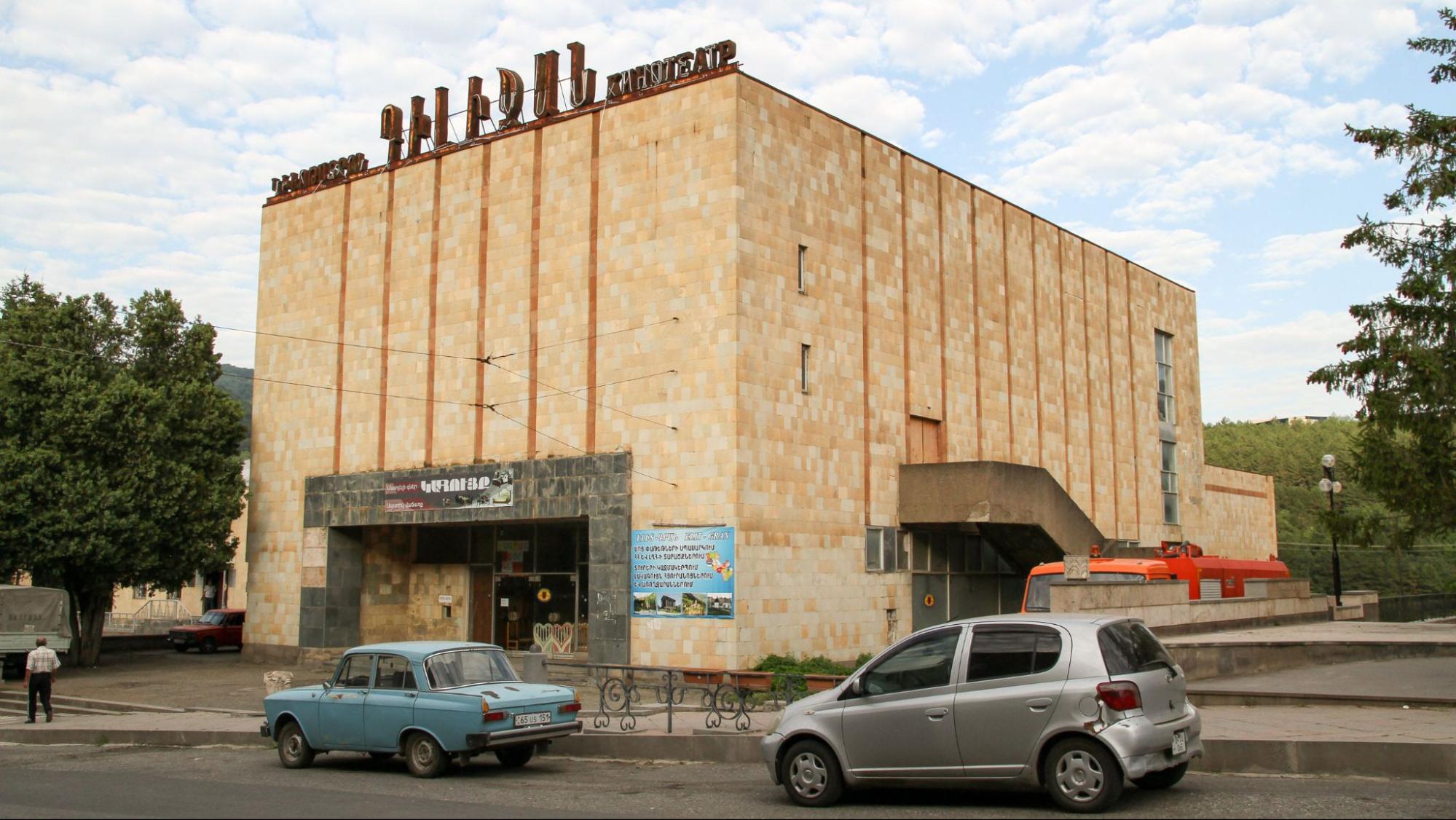
В центре появились Дворец культуры, библиотека, кинотеатр, дом связи и другие общественные здания, выполненные в стиле советского модернизма. Вместе они образовали единый архитектурный ансамбль, который и сегодня легко узнать во время прогулки по городу.

Стоит обратить внимание на лаконичные формы зданий и то, как архитекторы вписали их в сложный горный рельеф.

4. Вилла Ханджяна

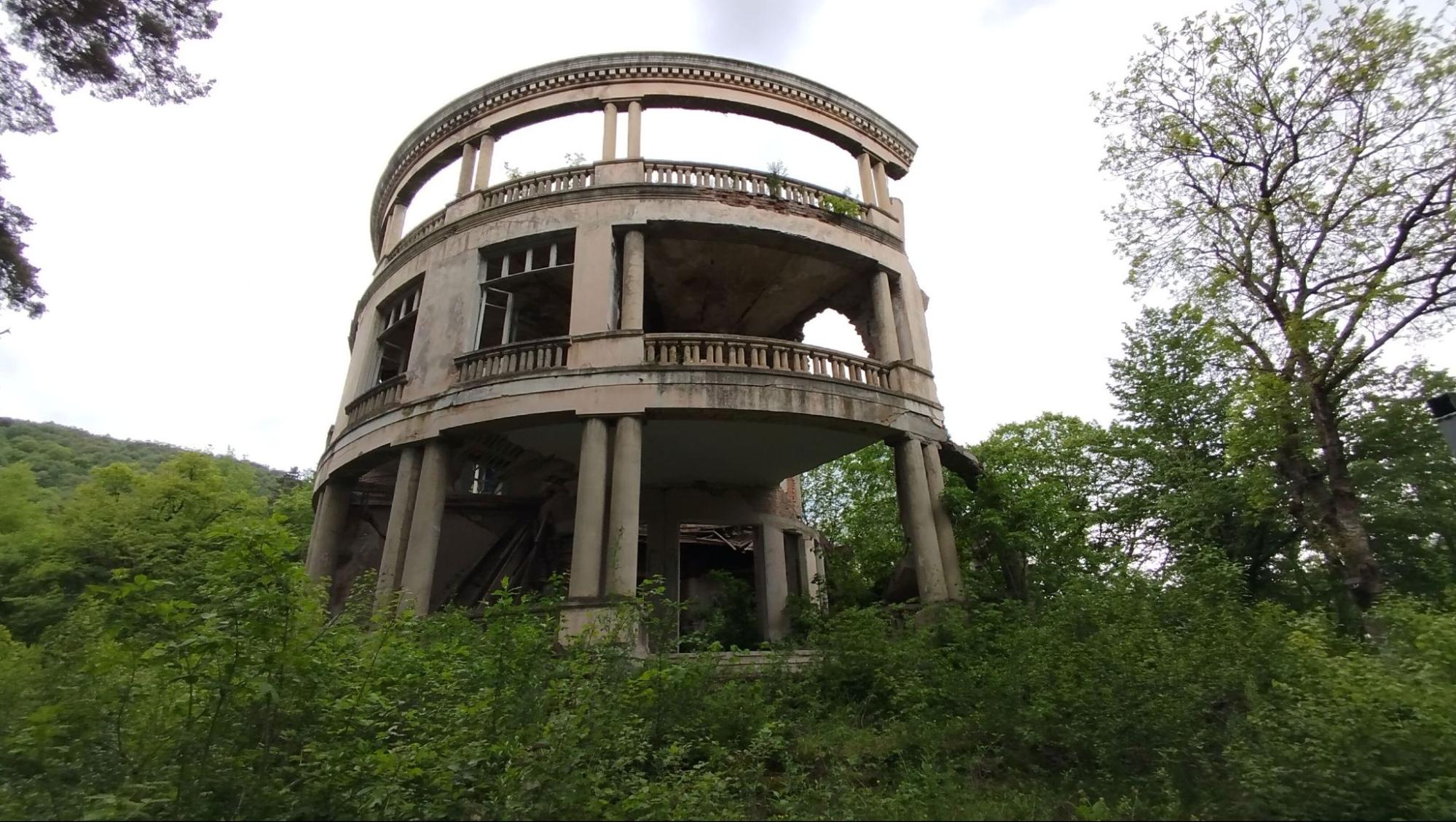
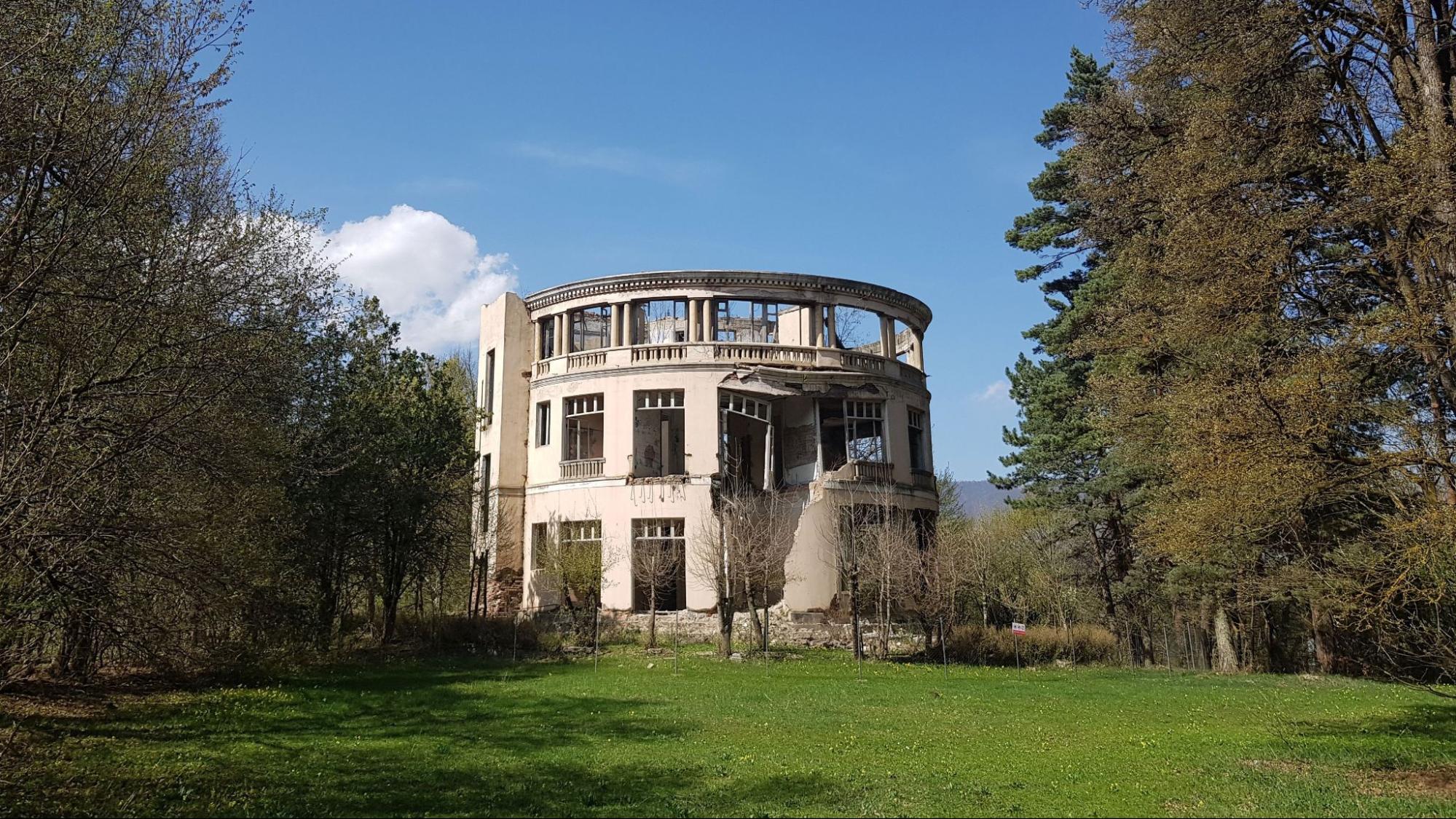
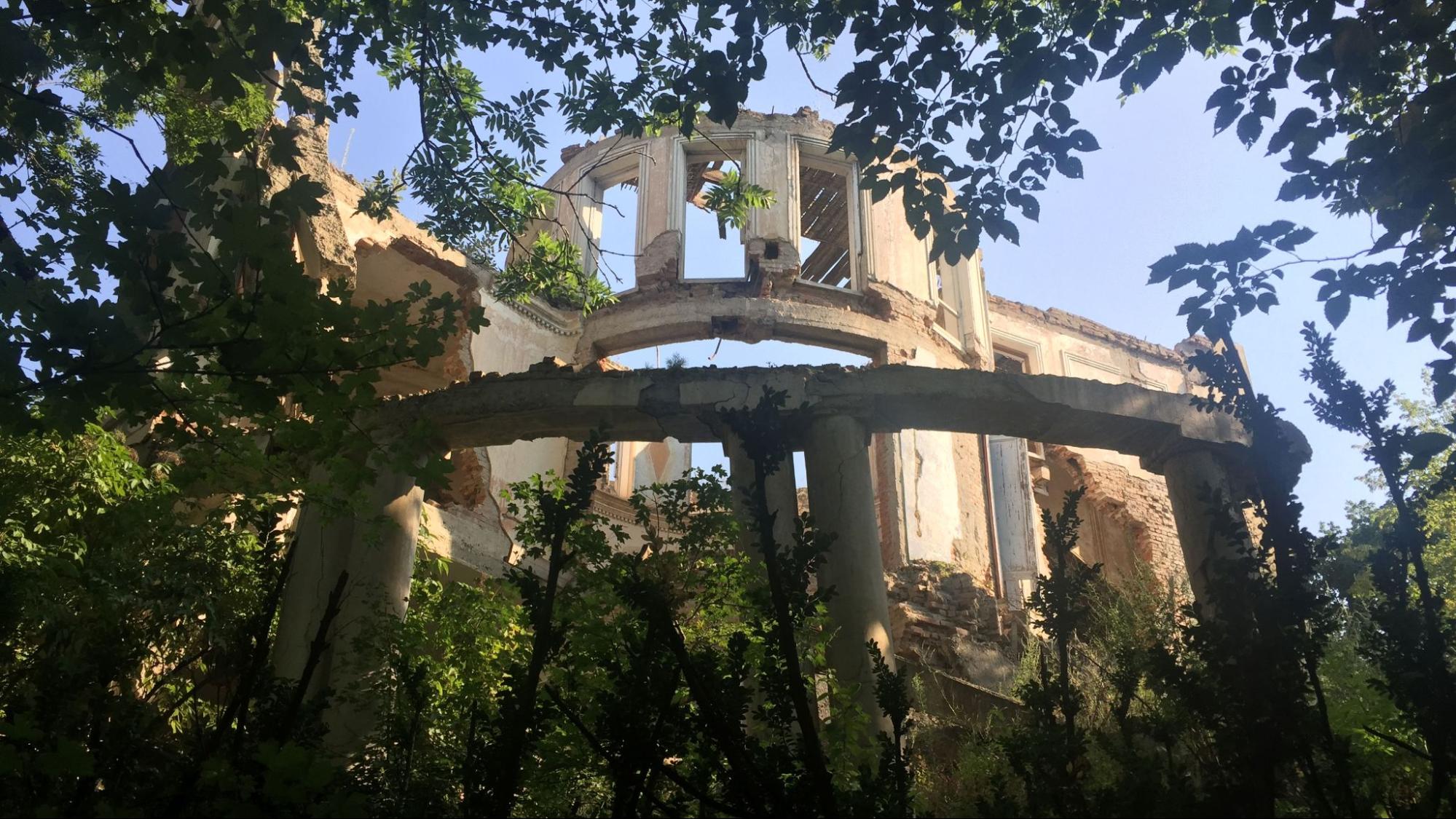
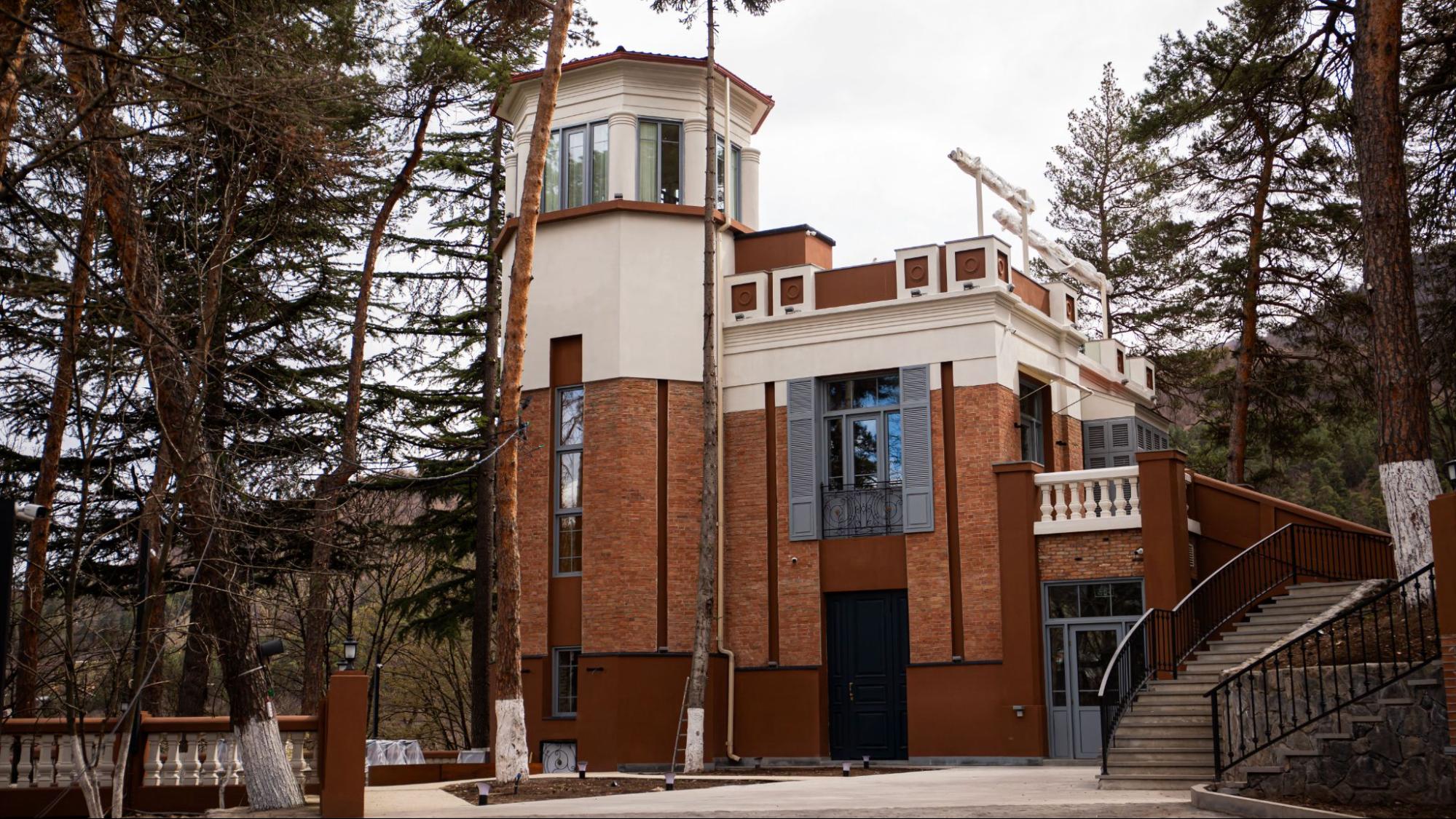
Любителей советской архитектуры и урбанистических впечатлений наверняка заинтересует менее известная достопримечательность Дилижана — цилиндрическая вилла политического деятеля Агаси Ханджяна. Построенная в 1936 году, она расположена в холмах над центром города.

Агаси Ханджян был первым секретарём Коммунистической партии Армении и занимал эту должность в течение шести лет. Будучи высокопоставленным лицом, он выбрал Дилижан для своей летней резиденции — город, который всегда считался одним из главных мест отдыха в Армении. Проект виллы, выполненный в духе армянского модернизма начала XX века, отличался редкой для того времени цилиндрической формой.

История здания тесно связана с трагической судьбой Ханджяна: он погиб в 1936 году при обстоятельствах, которые до сих пор остаются не до конца ясными. Несмотря на это, сама вилла сохранилась и сегодня остаётся важным архитектурным объектом.

Хотя здание находится в полузаброшенном состоянии, его круглая планировка и выразительный силуэт по-прежнему привлекают исследователей советской архитектуры и путешественников, интересующихся скрытыми слоями истории города.

Although the building is now partially abandoned, its circular layout and striking silhouette continue to attract architecture enthusiasts and travelers interested in uncovering Dilijan’s hidden historical layers.

5. Cabinet — новая жизнь советского здания

Советское наследие Дилижана — это не только история, но и пример того, как старые здания могут получить новую жизнь.

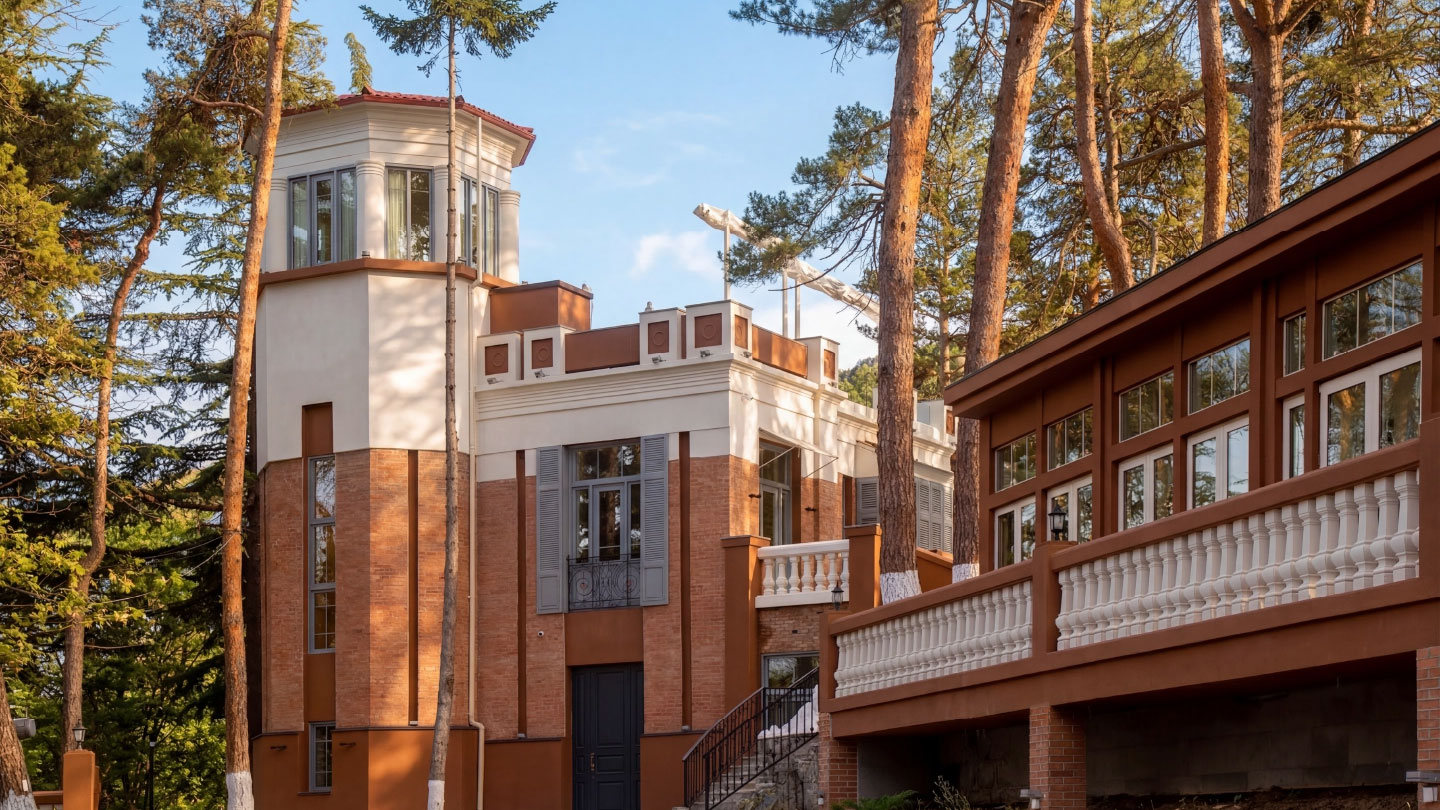
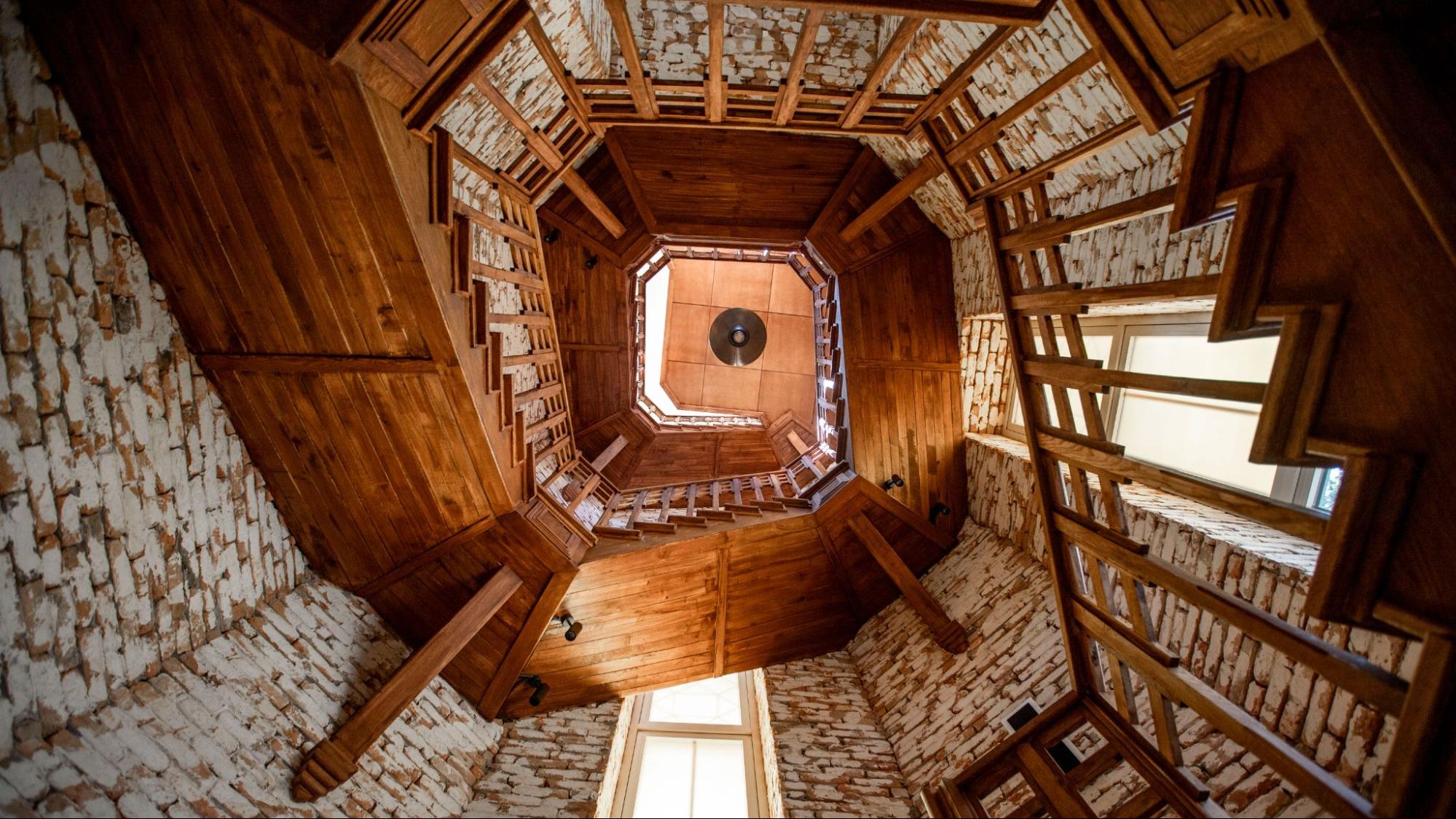
Cabinet — один из проектов Green Rock по сохранению и обновлению исторической архитектуры. Это здание советской эпохи из красного кирпича, где когда-то располагался филиал Ереванского университета и, по воспоминаниям местных жителей, проходили правительственные встречи. Его укрепили и бережно переосмыслили, сохранив характер и материальность, и сегодня здесь работает современный кафе-бар.

Cabinet даёт зданию новую жизнь и становится точкой притяжения для жителей и гостей Дилижана. Его задача — сохранить архитектурный характер через аккуратную реконструкцию и одновременно предложить новый формат гостеприимства, где кухня, отдых и культурные события объединены в одном пространстве.

Дилижан, который открывается не сразу

Советская архитектура — лишь одна из граней Дилижана. Она соседствует с деревянными домами XIX века, монастырями, лесами и современными общественными пространствами, создавая многослойный образ города.

Прогуливаясь по Дилижану, стоит иногда свернуть с привычного туристического маршрута. Именно там можно увидеть, как разные эпохи продолжают жить рядом, а здания прошлого получают новое будущее.

Evgeny Gilevic

Guide · 3 years in the profession · previously an art teacher and researcher

“I love Dilijan because it’s like a movie! You never know what’s waiting around the next bend — a sunset over the mountains, wild horses in the reserve, or a Tesla Cybertruck.”

Journey

For over ten years, Evgeny taught art, working with students all over the world — some of them still keep in touch. He’s also been a researcher: he studied ornamental patterns from cultures around the world and earned a PhD. He first came to Dilijan 14 years ago — it’s his wife’s hometown, and every summer the two of them would escape the city for the cool forests of Tavush. Friends who knew how much he loved Armenia kept asking him to help plan their trips — that’s when Evgeny realized he’d found the thing he wanted to do every day.

The Voice of the City

On his tours, Evgeny weaves together historical facts, legends, and stories: old man Kyaram, the origin of the city’s name, the ancient khachkar in Haghartsin. But his favorite moment on the tour isn’t a fact — it’s a smell: he lets guests sniff a Soviet-era cologne he found among old ruins. It almost always stirs up nostalgia — people remember their childhood and start sharing stories that seemingly have nothing to do with Dilijan at all.

Evgeny’s Picks

If you have an hour: a walk through the old quarter with its balconies, a small museum, and mountain herbal tea at the Tufenkian restaurant

Hidden gem: the valley around Fioletovo, 15 minutes from the city — a Molokan village where descendants of 19th-century Russian settlers still drink tea from a samovar and cut grass with scythes, keeping the same way of life alive for five generations

Tip for first-timers: take a guide — the city stretches across three gorges and splits into several disconnected centers, so it’s easy to get lost and waste time without one

Dilijan in 10 Years

In 10 years, Dilijan will be a comfortable, beautiful city for locals and visitors alike — if urban planners, investors, local government, and local business owners work together to make it happen.

Where to Drink Coffee in Dilijan

Dilijan takes its coffee seriously. But choosing where to go rarely comes down to the cup alone. Some spots pair it with wine at sunset. Others, fresh bread — or good company to catch you up on what’s happening in town. All six pour good coffee. What happens next is different every time.

Lumen Coffee

https://www.instagram.com/lumen.coffee/

Lumen is a cult Yerevan coffee brand that’s since opened in Los Angeles. In Dilijan, it runs as an espresso bar inside Kchuch restaurant: a bar built from old door panels, tiled floor, neon sign overhead. Besides espresso, they brew filter coffee on serious equipment and sell bags of beans to take home.

The Spot

https://www.instagram.com/the.spot.dilijan/

The Spot runs a full kitchen — shakshuka to steak — and takes its coffee just as seriously. It’s not the first time they’ve brought in beans from Blackwood, a roastery in Novosibirsk. It’s also where expats and locals actually meet — the place to go if you want to know what’s happening in Dilijan.

Conservatory

https://www.instagram.com/conservatory.dilijan/

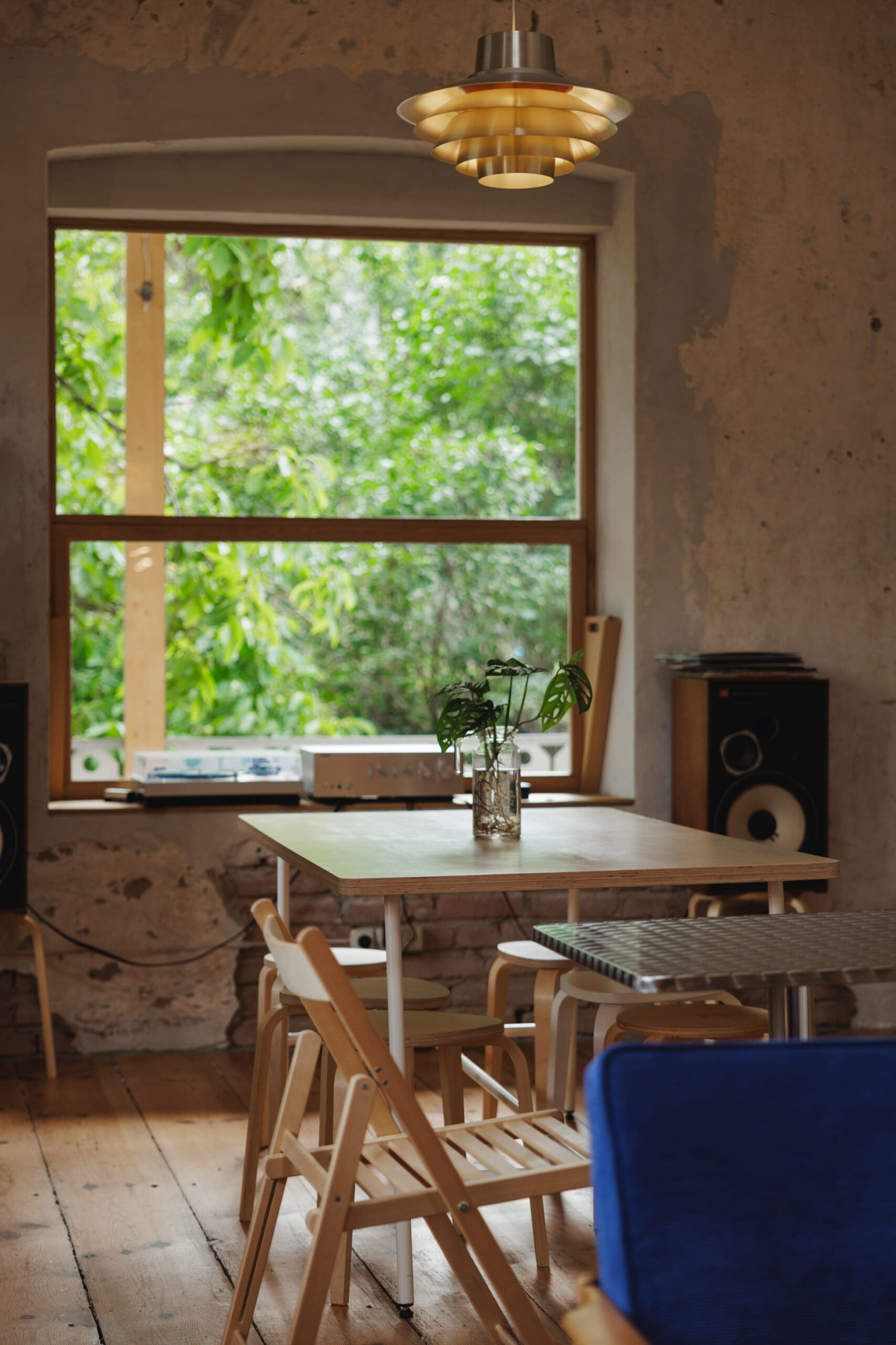
Conservatory took over an old house and rebuilt it from the inside: tall ceilings, plenty of light, vintage chandeliers next to metal tables. The coffee menu runs from espresso to cold brew, all specialty. By day, it’s coffee and breakfast; by night, the same room turns into a wine balcony.

Mosh

https://www.instagram.com/mosh.dilijan/

In the morning, Mosh is a quiet café for getting work done over a filter coffee or flat white. By evening, the same space turns into a bar — bright cocktails, and conversations that don’t rush to end.

Mame

https://www.instagram.com/bakerymame/

Mame brews its coffee on beans from Caffeine, Armenia’s first specialty roastery. But people come for more than the coffee — sourdough bread, pastries made from family recipes, and the owner’s signature lemon pie.

Rolls

https://meetdilijan.com/restaurants/rolls/

https://www.instagram.com/rolls__rolls/

Rolls runs a full coffee menu — from filter to espresso tonic — plus signature dessert rolls and bright drinks like blue coconut matcha. The menu also covers smash burgers, shawarma, and an “anthill” roll for dessert, with a mountain view from the balcony.