English Հայերեն Русский

How Much a Weekend in Dilijan Costs

We worked out the budget for a beautiful weekend in Dilijan: breakfast on a glassed-in veranda, paintings by Aivazovsky, a hike through the forest, and a wood-fired dinner worth the trip on its own. Add an evening at a wine bar and a night in a room full of stylish furniture. Here’s the full hour-by-hour breakdown, with prices.


All prices below are for two


Saturday

10:00 Getting there — 7,800 AMD

The GG shuttle leaves from Matenadaran — book your spot ahead through the GG Taxi app. Price is round trip.


12:00 Coffee and avocado toast at Conservatory — 7,000 AMD

While your room gets ready, it’s the perfect moment for toast and coffee at one of the town’s trendiest spots.


14:00 Walk through the old town — free

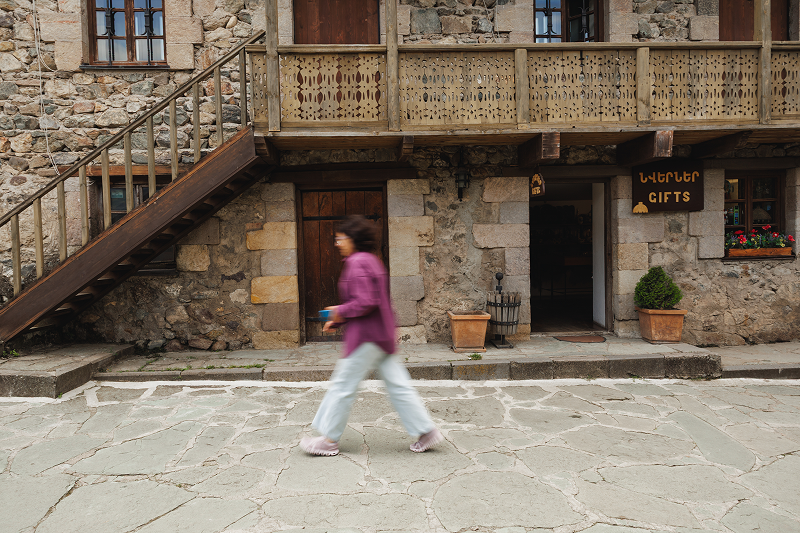
Narrow streets, carved balconies, old merchant houses.


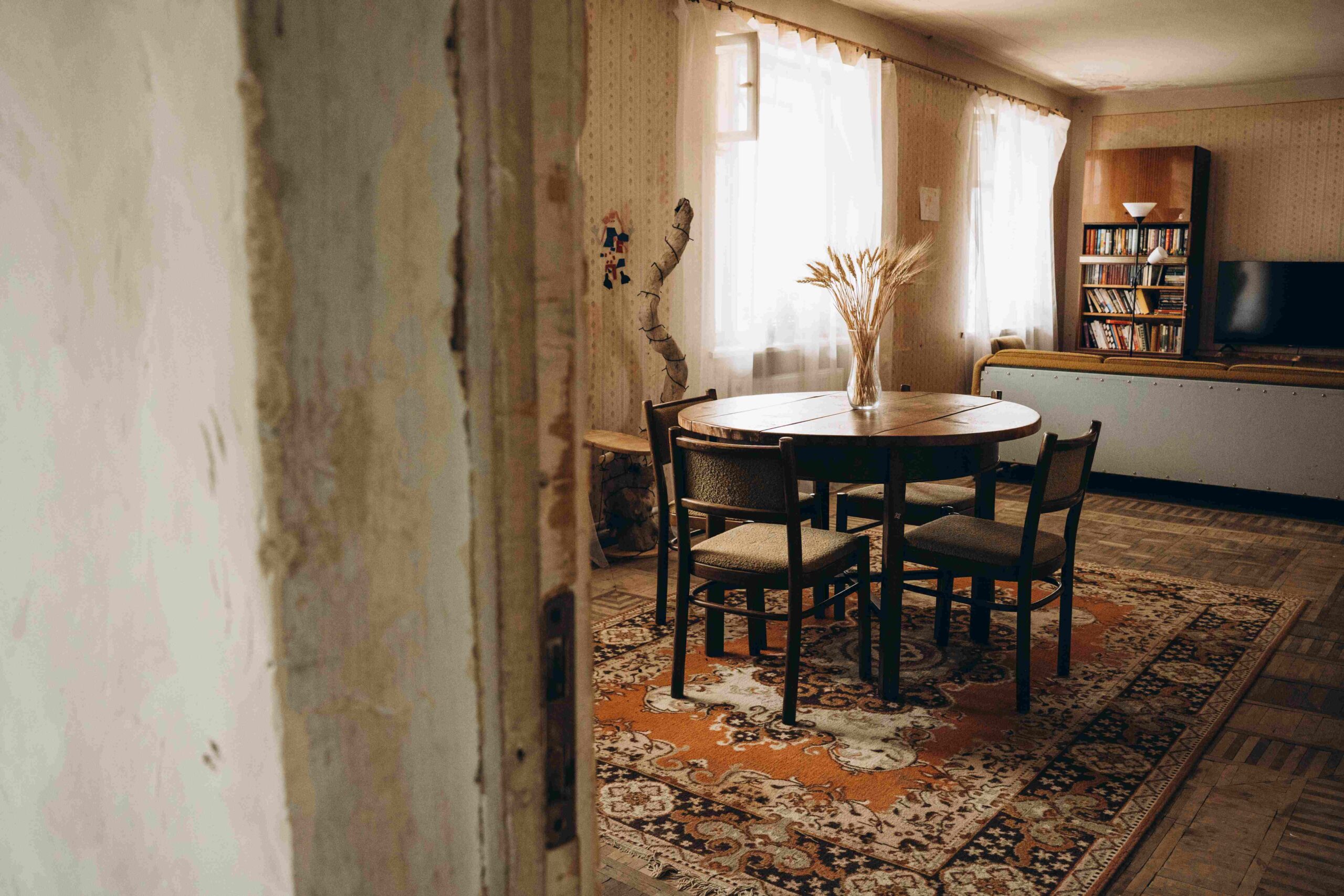
15:00 Check in at PPLS — 30,000 AMD

A stylish co-living space in the center of Dilijan, with mountain views from every balcony and the vibe of a cool college dorm.

16:00 Art gallery — 4,000 AMD

Inside: paintings by Aivazovsky, Shishkin, Rockwell Kent, and other masters — not exactly what you’d expect to find in Dilijan.

17:30 Hike to the Drunken Forest — free

A steep, narrow staircase across from the amphitheater leads straight to the trail — fifteen minutes later, you’re surrounded by twisted trees.

Hiking

19:00 Dinner at Tava — 13,200 AMD

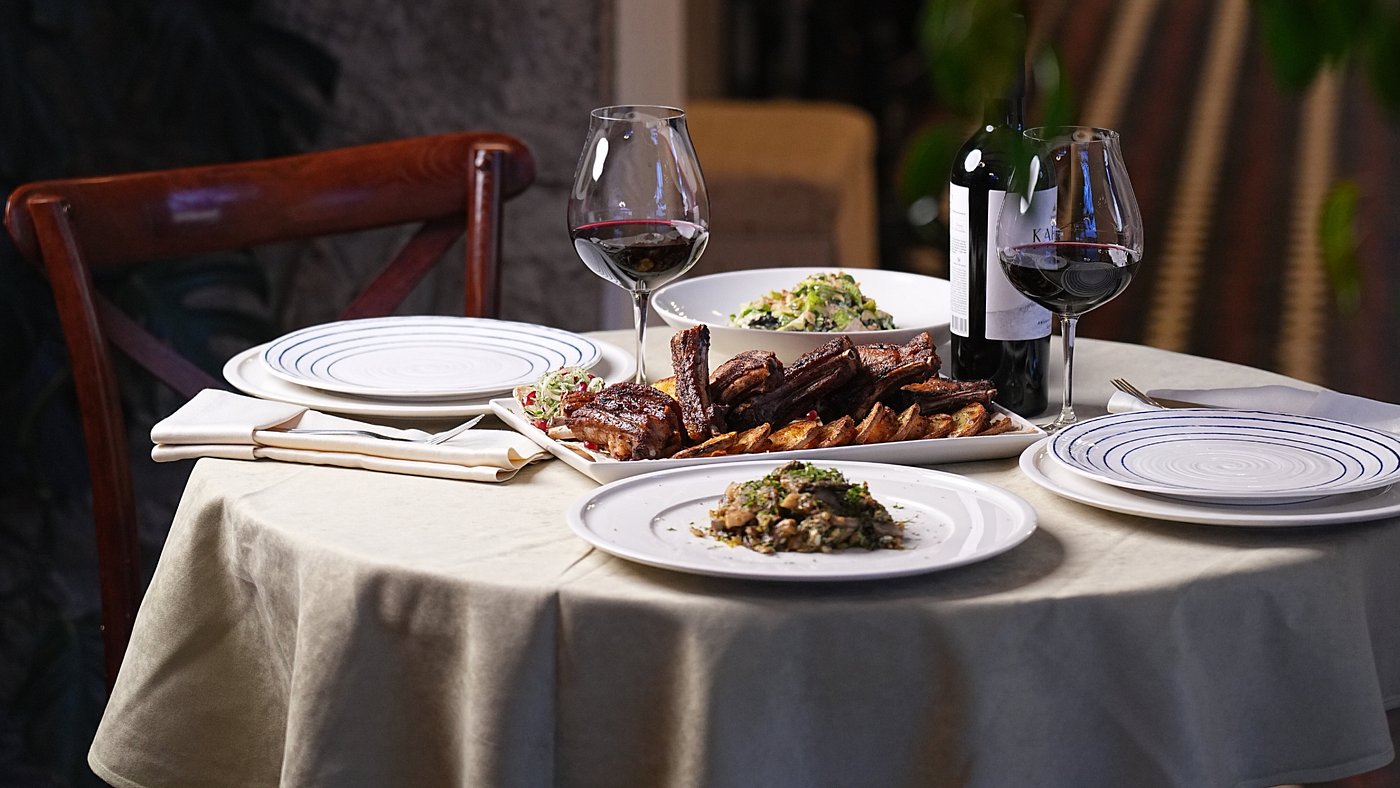
Everything here is cooked in a wood-fired oven and served sizzling in cast-iron pans. Try the shepherd’s salad, the Dilijan mushroom dip, the beef stew, and arisa.


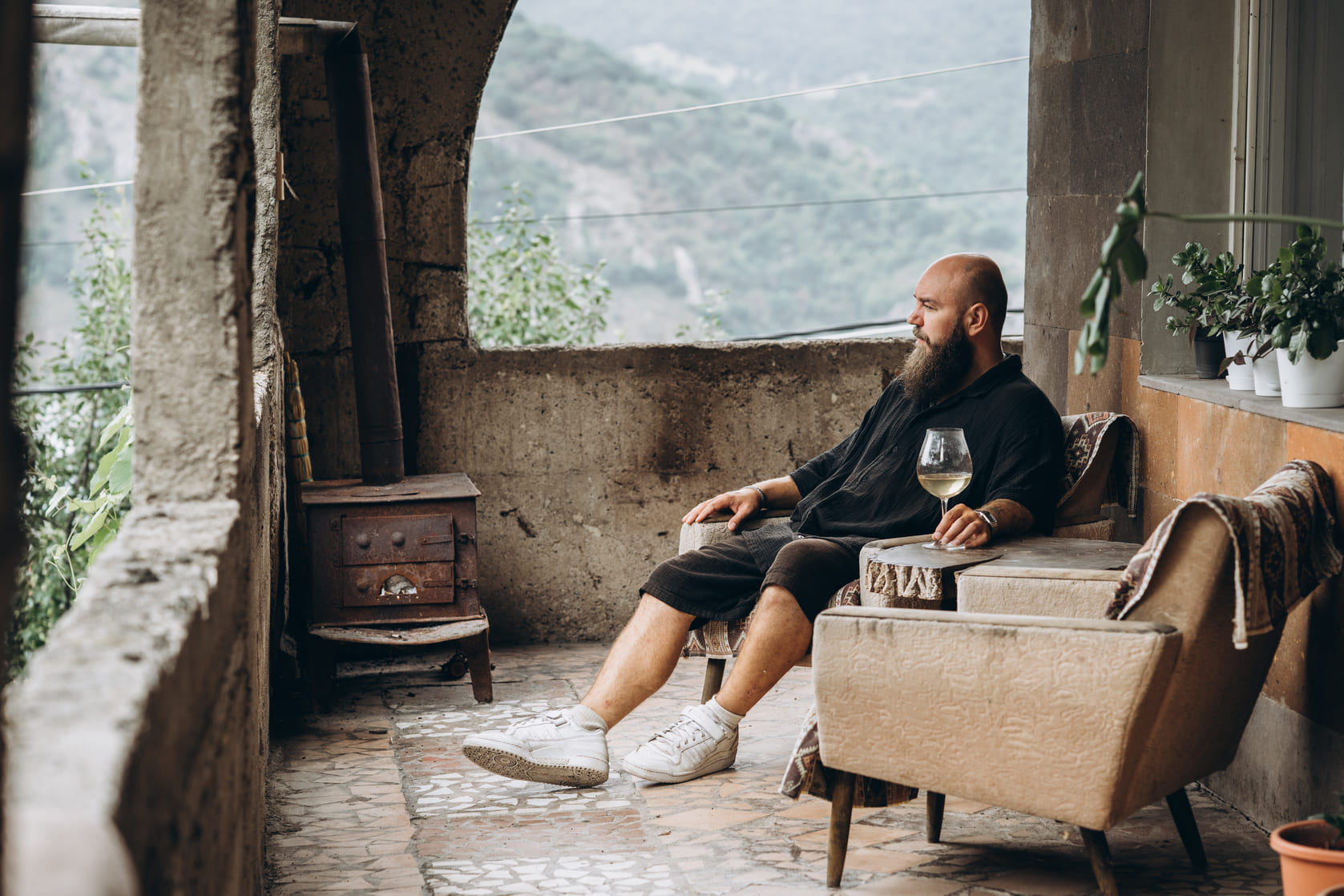
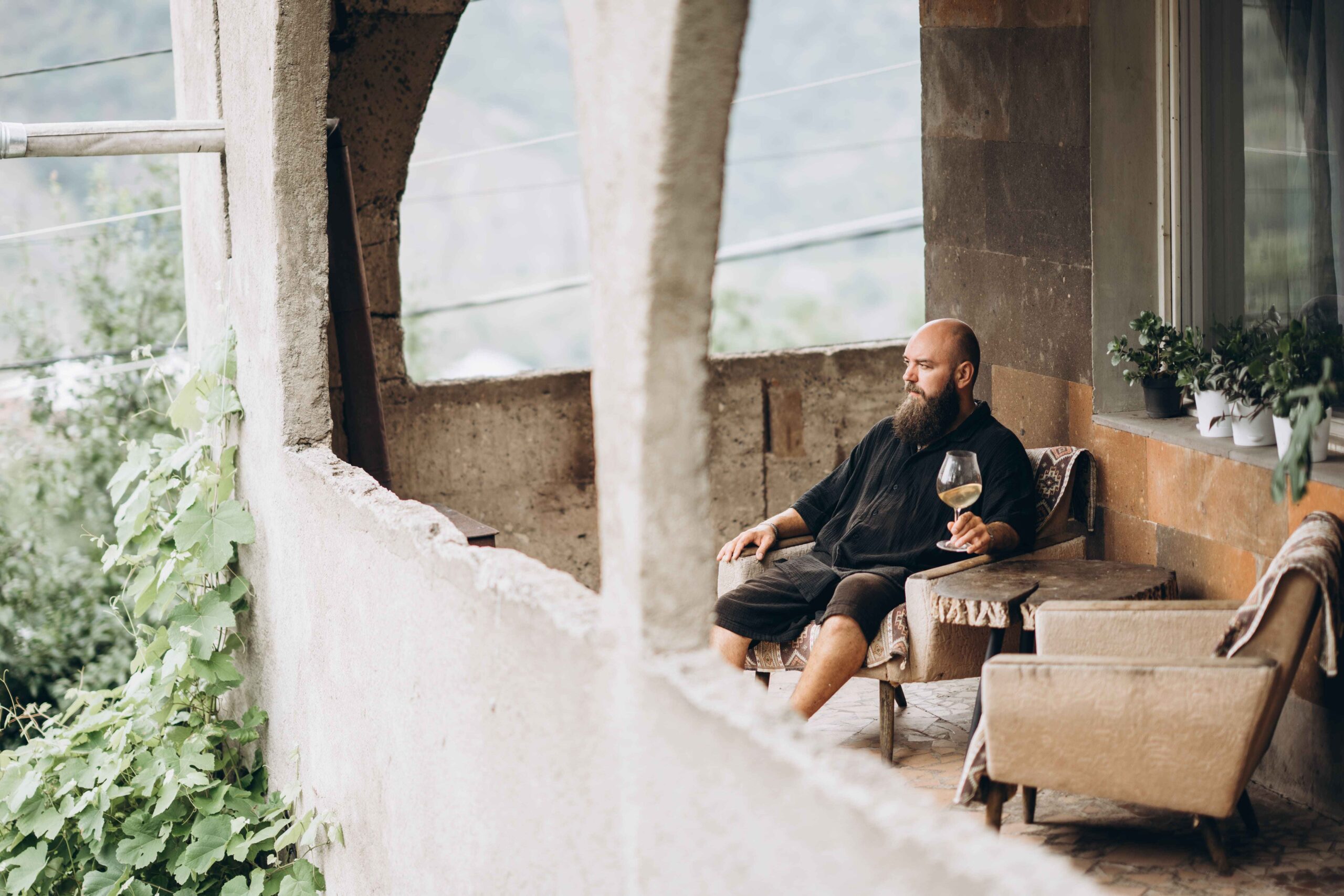
20:30 A glass of wine at Acol — 2,400 AMD

Armenian wine, in the quiet as the day winds down.


Sunday

10:00 Taxi to Parz Lake — 5,000 AMD

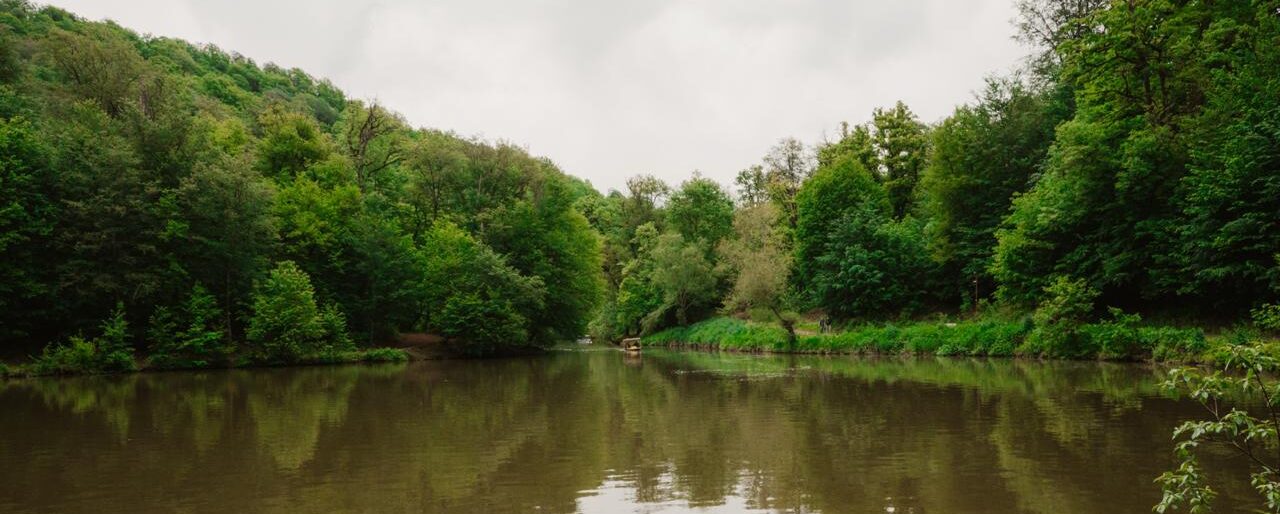
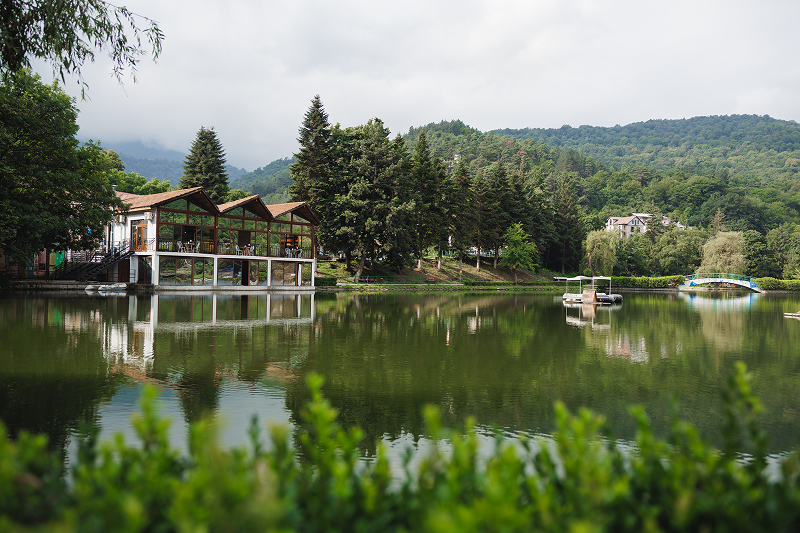
A lake ringed by forest — a good place to slow down. Ask the driver to wait, and the round trip works out cheaper.

parz lake

Picnic-breakfast by the water — 5,000 AMD

Bring coffee and pastries for a picnic on the shore — a slow, easy way to say goodbye to Dilijan.


Total: 74,400 AMD 

Dilijan Adventure Guide: Hiking, Ziplining, and More

Dilijan has two sides. One is cafés and verandas in the old town. The other starts where the pavement ends: forest, mountains, and Lake Parz. Here’s a rundown of outdoor activities in and around Dilijan — from an easy bike ride to a zipline over the lake.


Slow Down

Bike Ride

Ride through the cobblestone streets of the old town, along the river, past houses with carved balconies, all the way to the edge of town. Go wherever you like, for as long as you like.

For: anyone who wants to see Dilijan without a guide or a schedule.

Duration: 2 hours · Price: 5,000 AMD · Book


Hiking

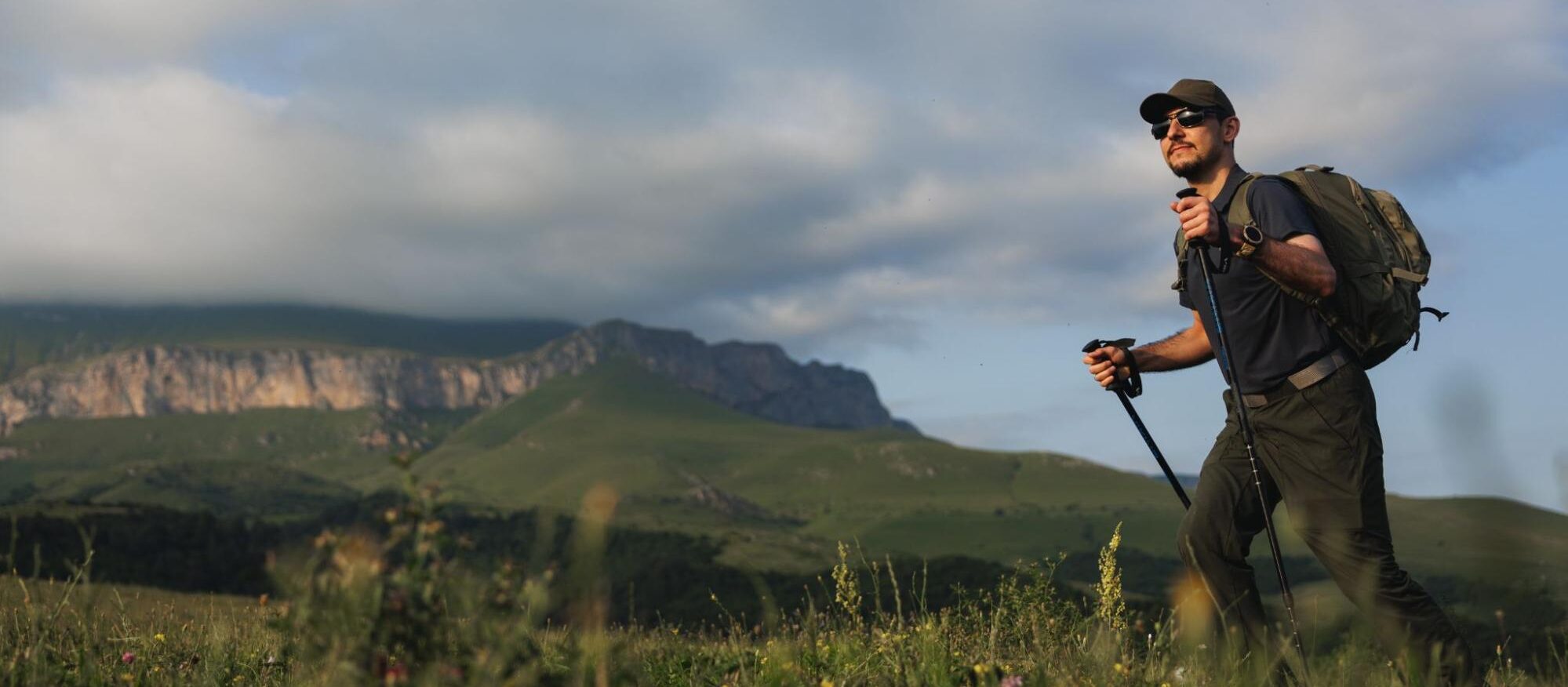
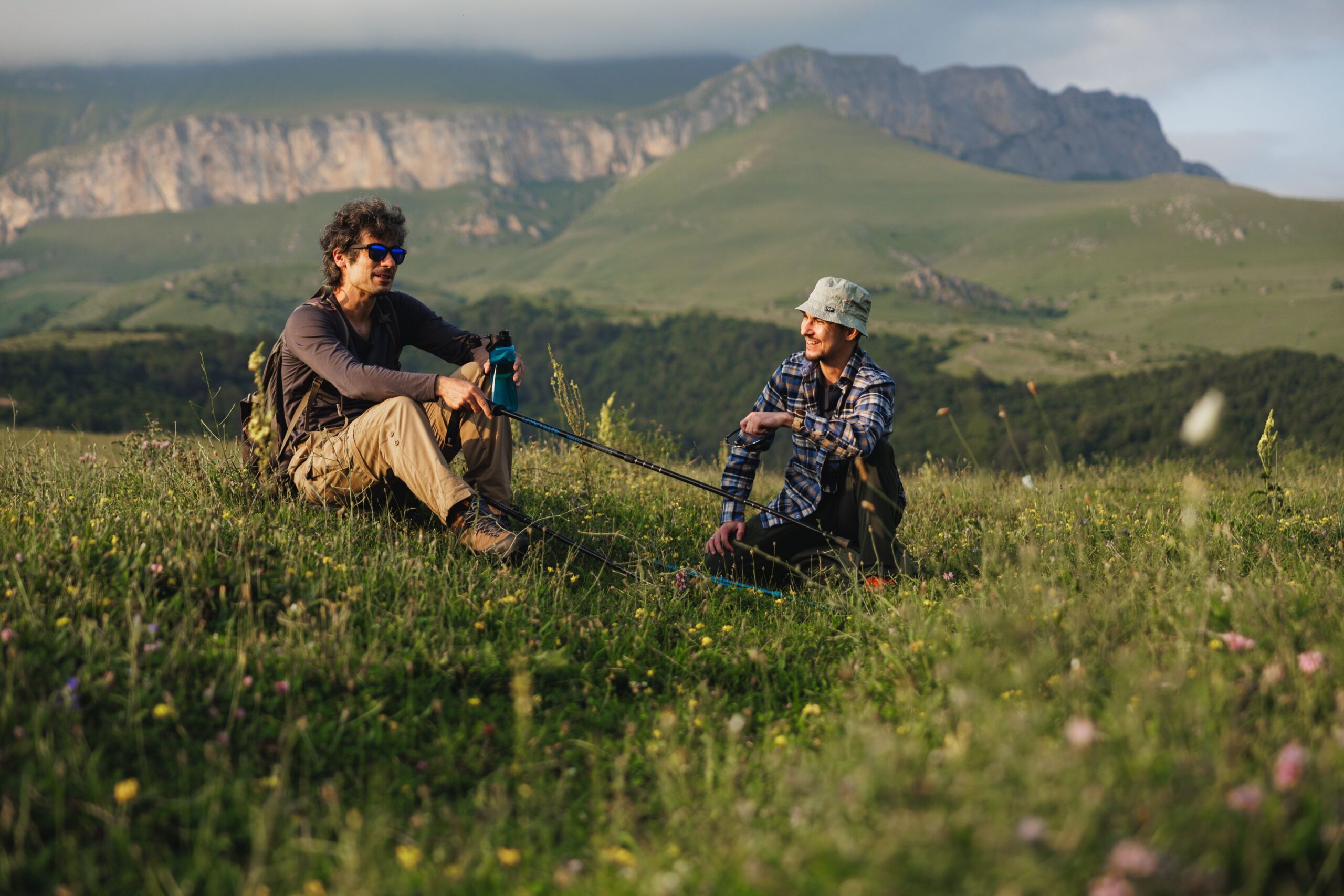
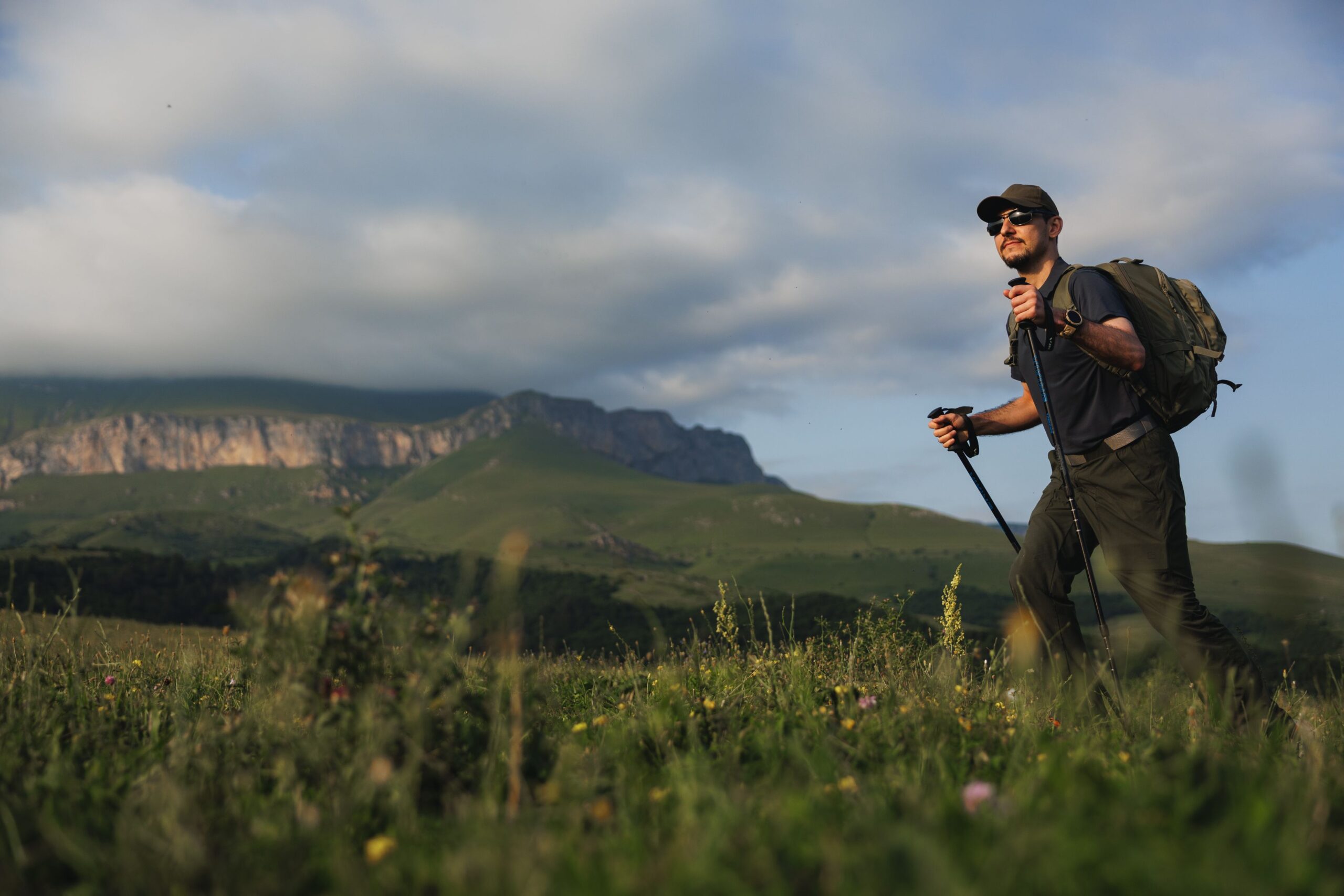
Dilijan National Park has trails for every kind of hiker: a short hike to Hidden Waterfall, a walk through forests and meadows to Goshavank, or a scramble over rocks to Whispering Waterfall. The guide takes you along routes that are hard to find on your own, even with a map.

For: anyone ready to spend half a day alone with nature.

Duration: 2–5 hours · Price: 25,000 AMD · Book 

Catamaran Ride

Paddle a catamaran across Lake Parz at your own pace, no rush. The forest around it reflects so perfectly in the water that it’s hard to tell where the shore ends and the reflection begins.

For: anyone looking for a romantic moment.

Duration: check on-site · Price: check on-site · Find it: Parz Lich Extreme Park


Speed Up

Ձիավարություն

The horse goes where there’s no trail, and the forest opens up at an easy, steady pace. The instructor adjusts to your rhythm, so it’s comfortable in the saddle from the first minute — even if you’ve never ridden before.

For: horse lovers.

Duration: 1 hour · Price: 12,000 AMD · Book 


Jeep Tour to Dimats

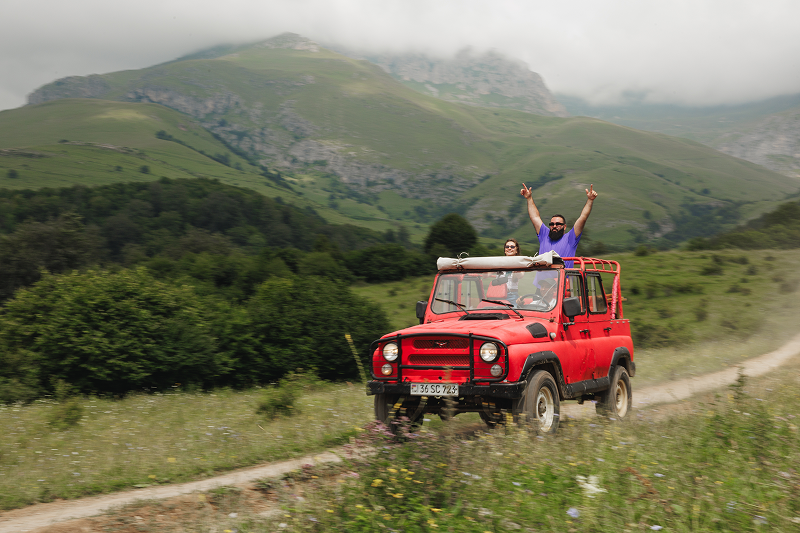
An off-road vehicle gets you to Dimats, one of the highest points around Dilijan — the kind of climb that’s long and hard on foot. At the top, you get a sweeping view of the mountains and forest, all at once. Pull out a thermos of coffee and take it in.

For: anyone who wants the view from the top without hours of hiking to get there.

Duration: 2+ hours · Price: from 20,000 AMD · Book 


Buggy Tour

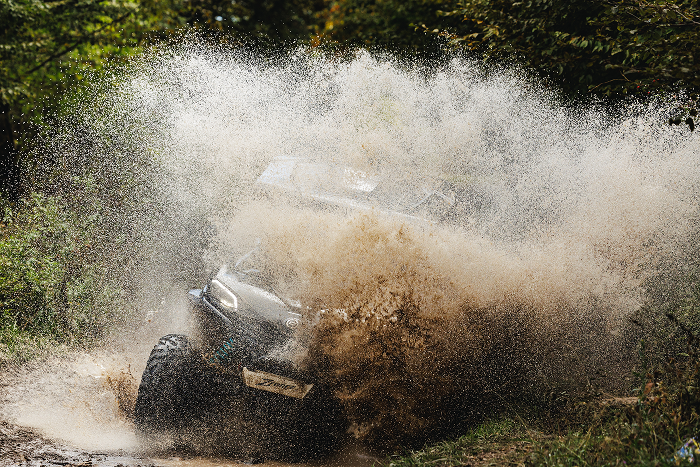
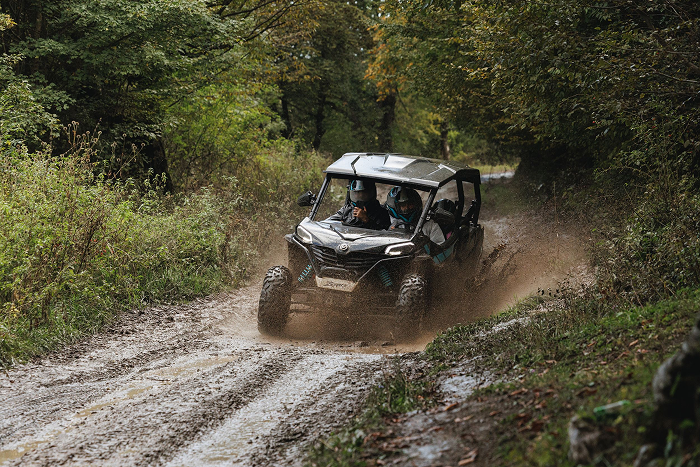
Behind the wheel of a buggy, the route feels completely different than it does through a car window — you feel every turn and every bump. Gear is provided on-site, so you can just hop in and go.

For: anyone who wants to drive it themselves.

Duration: 5–6 hours · Price: from 20,000 AMD per person · Book 


Take Risks

Զիփլայն

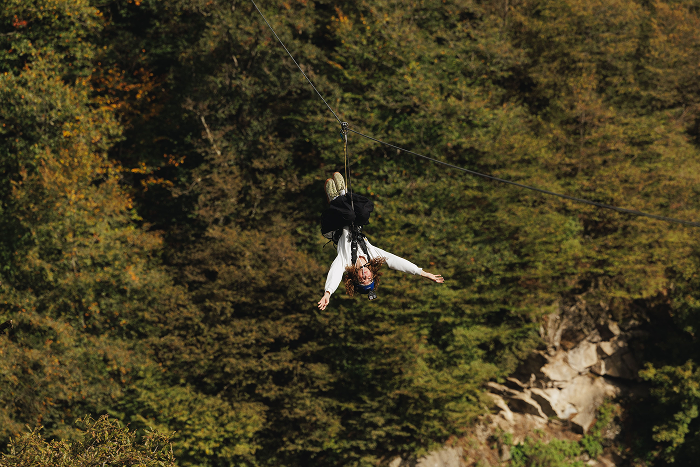
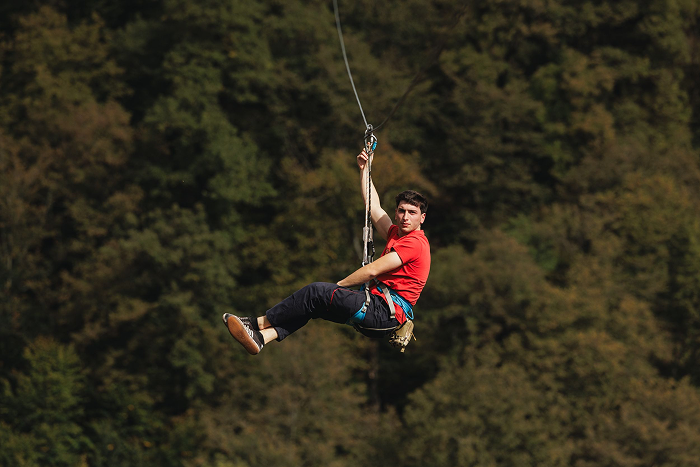
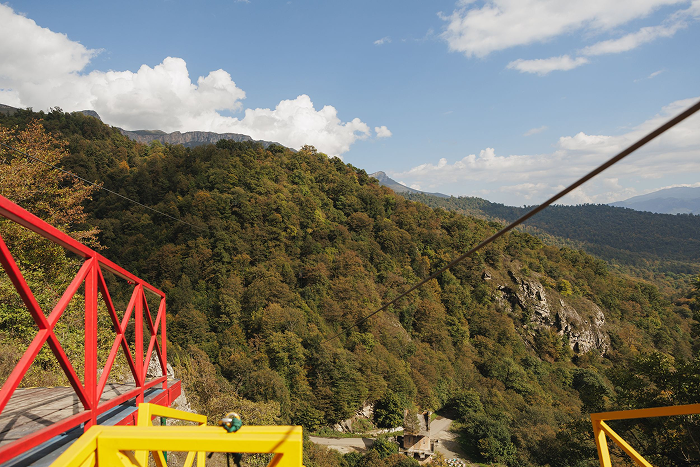
Most ziplines run over gorges — this is one of the rare ones that runs right over a lake. A few minutes in the air get you a view of the water and forest below that you won’t find anywhere else.

For: anyone unafraid of heights who wants to see the lake from an angle no one else gets.

Duration: 10 minutes · Price: 8,000 AMD · Book 


Airsoft

The game takes place right in the forest — you’re running over uneven ground and taking cover behind tree trunks and roots. The adrenaline is real: the team that picks its positions together and attacks together wins.

For: anyone traveling with a big group who loves team games.

Duration: 2 hours · Price: 10,000 AMD per person · Book meetdilijan.com/experiences/strikeball-game


Rope Park

Adventure Rope Park is the longest rope park in Armenia, with nearly half a kilometer of courses at different heights. Pick a route that fits you — from an easy one for first-timers to one that’s tough even for experienced climbers.

For: anyone who wants to test themselves at height, one step at a time.

Duration: check on-site · Price: check on-site · Find it: Dilijan City Park

Dilijan Travel Guide: What to See, Eat and Do

If this is your first time in Dilijan and you’re not sure where to start, we’ve rounded up the places worth seeing first. Just don’t try to power through this whole list in one go — Dilijan is best enjoyed slowly, not rushed from one stop to the next.

Where to Start

Begin with a walk through the center, no rush: stroll the narrow streets, take in the local architecture, swing by the city park, and leave time to eat.

What to See

The Mimino Statue

Near the roundabout stand Rubik, Valiko, and Volokhov — characters from the beloved Soviet film Mimino who’ve become an unofficial symbol of the city.

Why go: right next to them is a small fountain with the water locals claim ranks second-best in the world (ask around and you’ll hear the story).


Sharambeyan Street and the Old Dilijan Complex

An old quarter of carved balconies, workshops, and souvenir stalls. Step into one of the workshops and watch woodcarvers or potters at work.

Why go: the quarter was rebuilt in 2004, but it still feels like the 19th century.


The Amphitheater

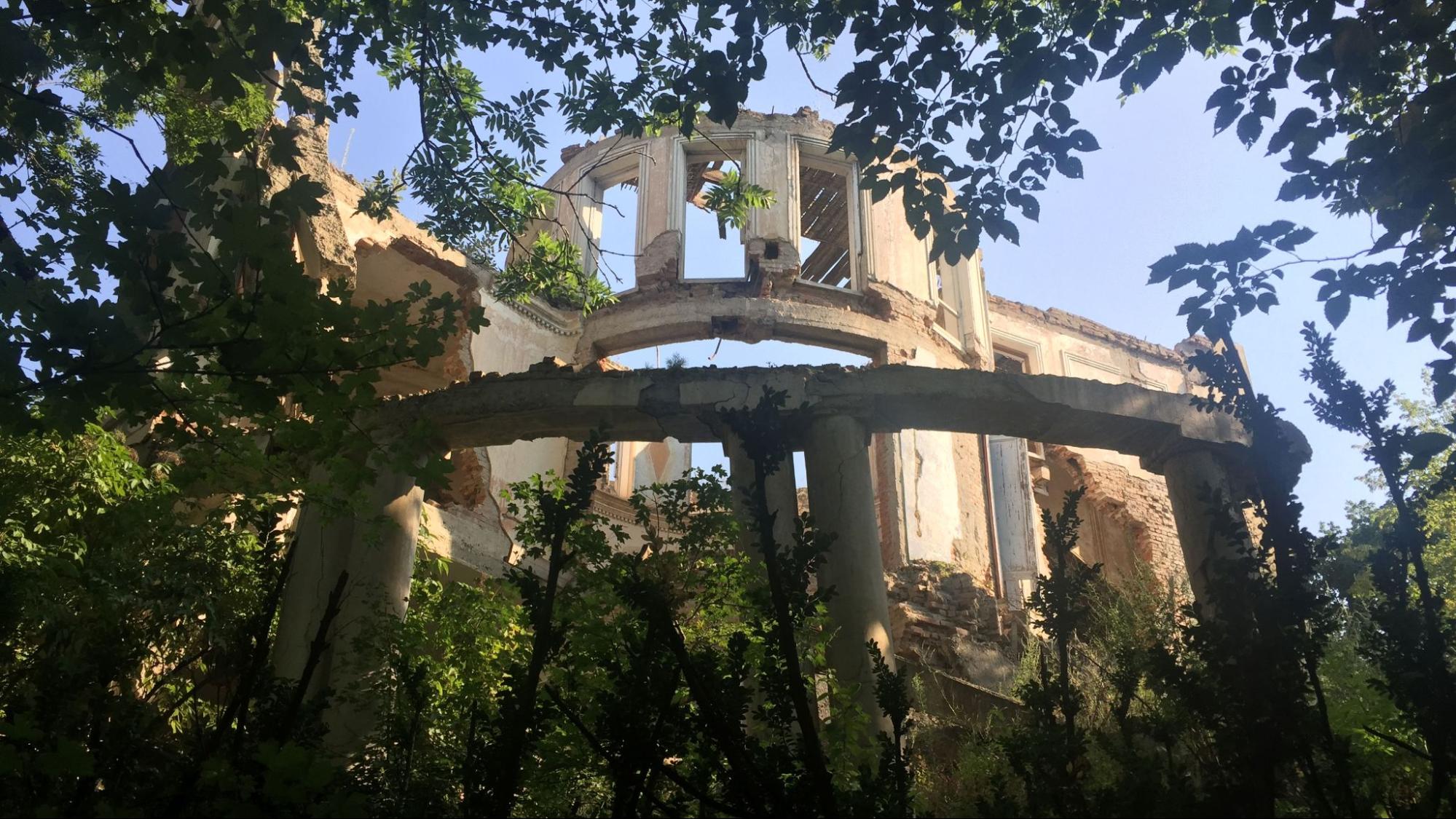
In the late 19th century, a summer theater called the Rotunda stood on this spot — only ruins remain today. In 2009, the town built an amphitheater with columns, tiered steps, and classical symmetry here — a nod to that history.

Why go: it’s still in use — locals still hold events here, it’s not just a backdrop for tourist photos.


Խորհրդային Հայաստանի 50-ամյակին նվիրված հուշարձան

A white five-pointed star visible from almost anywhere in town — this Soviet modernist monument went up in 1970 to mark 50 years of Soviet rule in Armenia. Each of its five points stands for one decade.

Why go: it was designed by architect Artur Tarkhanyan, the same architect behind the Tsitsernakaberd memorial in Yerevan and Zvartnots Airport.


The Art Gallery

Somehow, paintings by Aivazovsky, Saryan, Rockwell Kent, and Shishkin ended up here.

Why go: hardly anyone comes to Dilijan for the art — which is exactly why the collection catches people off guard.


The Drunken Forest

A trail through pines that lean at odd angles — the ground here shifts and slides, tilting them over time.

Why go: the trail starts almost right in the town center, and the full walk — about an hour — ends at a viewpoint with a sweeping view over Dilijan.


The City Park and Lake

The heart of everyday life here: bike rentals, a tourist info center, and Armenia’s largest rope adventure park.

Why go: this is where you feel the town’s actual rhythm. Locals and visitors share the same space, and it’s the best spot to slow down after a busy day.


Where to Get Coffee

Conservatory

An old house turned into a spacious café with high ceilings, where vintage chandeliers sit next to metal tables. The menu covers the full range of specialty coffee, from espresso to cold brew.


Սրճարան #2

Dilijan’s first social café, staffed by young locals and grown out of an education project run by the Scholae Mundi foundation. Floor-to-ceiling windows look out over the reservoir, and if you’re lucky, you can grab the small balcony right above it.


Mame

A bakery serving sourdough bread, family-recipe pastries, and the owner’s signature lemon pie. Don’t skip the coffee, either — it’s brewed with beans from Caffeine, Armenia’s first specialty roaster.


Where to Eat

Tava х Kchuch

Everything comes out of a wood-fired oven, and portions are generous. Try the local mushroom dip, shashlik skewers, and a Caesar salad with crispy lavash.

Papanino

A restaurant in the old quarter it’s named after, with carved wooden balconies and a garden. Order the grilled meat and pair it with an Armenian wine.

Toon Armeni

Home-style Armenian cooking — mushroom soup, khashlama, dolma. It tastes like someone’s grandmother made it, and it’s easy to forget you’re in a restaurant at all. Grab a seat on the carved wooden balcony or out in the garden.

Im Toon

A project by Zhirayr Avanyan, the founder of Dolmama in Yerevan: a stone building with a dark sideboard, Vienna chairs, and paintings on the walls. The kitchen serves Armenian food with European touches — from spas with aveluk to rabbit stew in white wine.


Dilijan runs on its own clock — fall in step with it. Even a couple of stops from this list are enough to fall in love and want to come back.

Where to Try Armenian Cuisine in Dilijan

In Dilijan, Armenian food shows up in all kinds of places — a family guesthouse garden, traditional restaurants built around a wood-fired oven, a lounge with live jazz at night. We picked six places worth a visit — and worked out what to order at each.

Armenian food

Tava

At this restaurant, everything revolves around fire — dishes come out of a brick, wood-fired oven and land on your table in sizzling cast-iron pans, straight off the flame. It’s a Tavush region tradition, and one they take seriously. The meat comes from local farmers; the bread and sauces are made in-house. The menu mixes Armenian classics with more modern dishes, kept simple.

Order: pokhindz, dip with Dilijan mushrooms.

Cabinet

Cabinet is set in a restored 1930s building that once served as a government residence. The restaurant takes its name from the minister’s office on the third floor — it’s still there today. Inside are several rooms, including a small vinyl corner, plus a terrace that opens up in good weather. The menu mixes European dishes with Armenian classics given an original twist — like avocado tabbouleh.

Order: khorovats, tabbouleh, caramel pistachio halva.

Cabinet


Hatsi

Hatsi is done up like a chalet — light tones, lots of wood, arched mosaic niches, woven lampshades. There’s a fireplace nook and a terrace with soft couches. And the bread is baked fresh every day in a tonir, from a family recipe.

Order: ker u sus, harisa, gata.


Toon Armeni

A restaurant attached to a family-run guesthouse — you’re not served here so much as fed, like a guest in someone’s home. A big garden in bloom, a wooden balcony, Armenian rugs, a fireplace. The cooking is homestyle, no modern twists, and on weekends the hosts run workshops teaching guests to wrap dolma or bake sweet gata.

Order: basturma omelet, avelukh salad, spas.


Takhta

Dark, moody decor, Armenian rugs on the walls, a fireplace. The menu mixes Armenian cooking with Mediterranean and European dishes. The signature dish is khacharota — chicken and mushrooms in a rich, homemade sauce. You can also brew your own coffee here, in hot sand — a nod to Dilijan’s unhurried pace. Vinyl spins most evenings, with live saxophone and jazz on weekends.

Order: Armenian rolls with veal and cheese, arishta with Dilijan mushrooms, harisa.


Im Toon

This project from Zhirayr Avanyan, the man behind Dolmama, feels more like a country house than a restaurant. The interior is elegant but warm — a dark antique cabinet, Armenian rugs, peach tablecloths, paintings on the walls. The terrace looks straight out over the Dilijan peaks. The menu is Armenian, and the classics carry the Dolmama name — “Dolmama Dolma,” “Dolmama Chi Kufta.”

Order: ishli kufta, lamb tjvjik.

Dilijan City Guide

Sports, Coworking, Shopping & Local Life

Where to Work Out

Gym

Dilijan Gym
A gym that also offers sambo and powerlifting classes

Dance

Yoga

  • Yoga with Gaya
    Vinyasa, Ashtanga, Hatha, and Yin yoga, for all levels, by appointment
  • Yoga at DUCO
    For adults and kids; general fitness classes also available

Sports Chats


Where to Work: Cafés & Coworking Spaces

Coworking Spaces

Villa 3 Dilijan

  • Villa3 Hub
    Floor-to-ceiling windows, built-in desk outlets, a library, a lecture hall, meeting rooms, and a kids’ room
    Price: day pass — 3,000 AMD / monthly — 45,000 AMD; private offices from 29,000 AMD/day
  • Workation Toon Armeni
    A small coworking space at a guesthouse, with free coffee and snacks and a garden overlooking the mountains
    Price: 1,000 AMD/hour; a full day (after 4 hours) — 5,500 AMD
  • 11+1 by TUMO
    A hostel-and-coworking space downtown, with a library, a screening room, and a rooftop with mountain views
    Price: hour — 1,000 AMD, day — 5,000 AMD, week — 20,000 AMD, month — 75,000 AMD
  • DUCO
    A coworking space in a quiet part of town, with fast internet, a projector and screen, a cozy lounge with sofas, an open terrace with mountain views, and a coffee corner with sweets
    Price: hour — 1,000 AMD, day — 5,000 AMD, week — 20,000 AMD, month — 72,000 AMD

Cafés

  • Conservatory
    A coffee shop on a historic street, with vinyl playing all day, a carved balcony, and hearty, tasty toasts
  • Bolors
    A family café with a kids’ play area
  • Rolls
    Two floors, panoramic views of Dilijan, and signature dessert rolls


Where to Shop for Groceries

Supermarkets


Where to Find Pet Supplies & Services

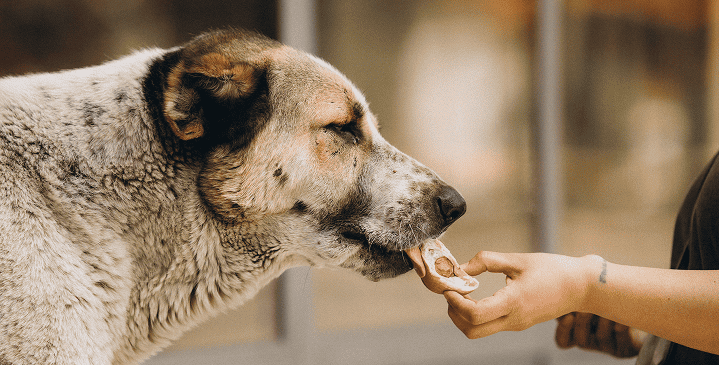
Dili Dogs

Shops

  • Zoomall
    Open daily, 10:00 AM–10:00 PM
  • ZooZone
    Open daily, 10:00 AM–7:00 PM

Vet Clinic

  • Choocho Vet
    Vaccinations, lab work, ophthalmology/dermatology, ECGs, general treatment, emergency care, and surgery. By appointment
  • Grooming
    Haircuts, trimming, and coat care for cats and dogs
  • Pet boarding at home
    No cages or kennels — you get photo and video updates


Where to Find Events


Where to Find Local Info: Local Chats


Housing


Emergency Numbers

Service Number
Emergency Situations Ministry 911
Police 102
Ambulance 103
Gas emergency 104
Power outage 180
Veolia Djur (water supply) 185


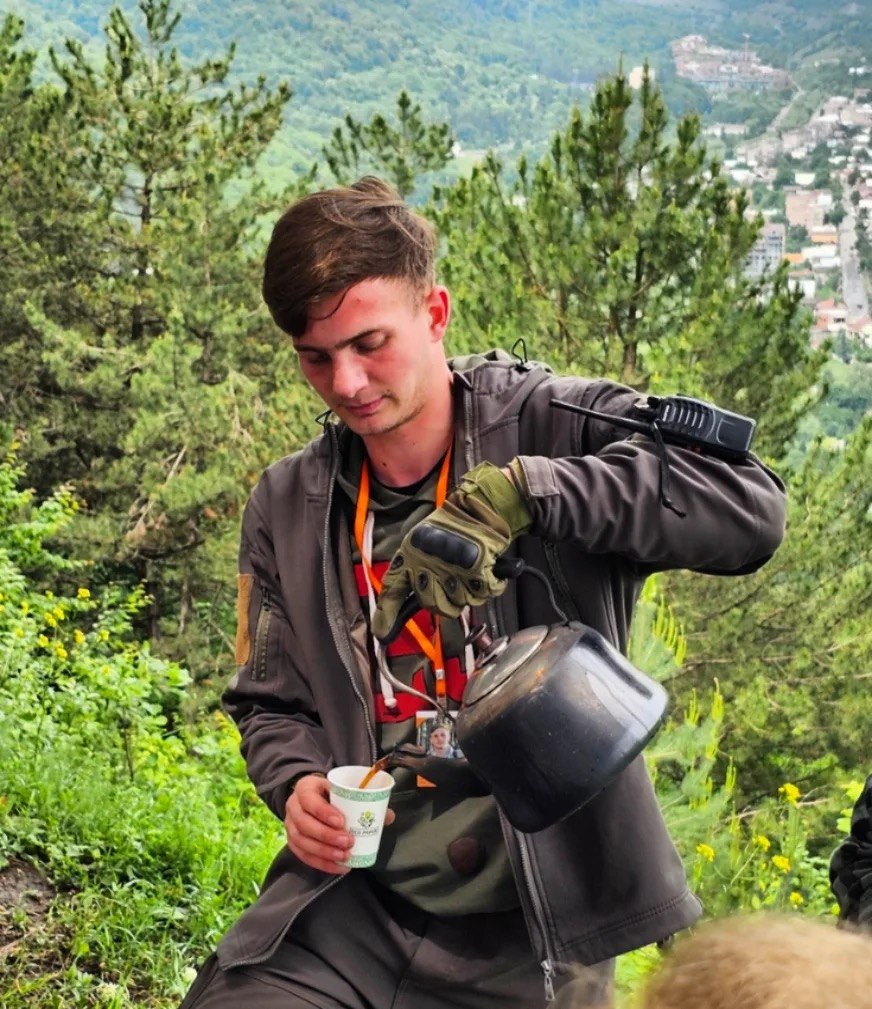
Daniel Ulikhanyan

Guide · 5 years in the profession · co-founder of Ulikhanyan Travel

“Dilijan is proof that paradise on Earth exists.”

Journey

Daniel grew up in the forests and mountains around Dilijan. At some point he wanted to share that beauty with others — to show guests the city, its nature, and its history. Today he’s a guide and co-founder of Ulikhanyan Travel, which runs active outdoor trips across the Tavush region — mostly jeep tours and hiking routes.

The Voice of the City

There’s a legend about how the city got its name: long ago, a hunter lived here with his dog, Dilijan. One day, out hunting, the dog ran deep into the forest and disappeared — the hunter searched for her for several days. She found her own way home, exhausted but alive, guided back by the forests, clear streams, and familiar trails. People still say: “The forests of Dilijan never let go of those who once belonged to them.”

“What’s the weather like?” is the question Daniel gets asked most. “Unpredictable,” he says — sun and rain can hit the same day, and the temperature can shift completely just a couple of kilometers down the gorge.

Daniel’s Picks

If you have an hour: the “Drunken Forest” trail — a short walk with a view over Dilijan and the surrounding mountains. Daniel and his brother built a bench and a small footbridge there — the spot is especially close to their hearts, since they made it better, so guests would have a place to stop and rest.

Hidden gem: the Old Rotunda, just a few meters from the Amphitheater — one of the few places where you can still feel the atmosphere of old Dilijan

Tip for first-timers: Take care of nature — with your whole heart. It’s our greatest treasure, and it’s on us to protect it for future generations.

Dilijan in 10 Years

“I want Dilijan to always stay lively, warm, and genuine. To welcome guests from all over the world without losing its nature, its atmosphere, or its hospitality.”

Oleg Umnov: “If Dilijan were a person, he’d be a psychologist”

Oleg Umnov moved to Armenia from Kirov with his wife and daughter. Here he makes and restores furniture. He spent three years living with his family in Yerevan before relocating to Dilijan. We talked to Oleg about how his pace of life has changed, why the neighbors feel like family, and what he thinks the town still needs.

There was never any question of where to move

We lived in Yerevan for three years and often drove out to Dilijan — slowly falling in love with the town. That’s how the idea crept in: why not get a place here. At some point, renting both an apartment and a workshop in Yerevan became too much. So we decided to change cities. We found the house through one of the local chats.

I sent my wife one photo of the balcony — she wrote back ‘we’re taking it’

The house is over 60 years old, and no one had lived in it for the last 30 of those. Even so, it was in decent shape and had a lot of potential. What scared us was that it had no power, water, or gas at all.

We started the renovation with electricity — the easiest part. We put in a new boiler, ran new pipes and radiators, and brought in water from the nearest connection point. While the work was going on, we lived in a guesthouse. Gas only showed up a month later, in October.

I started with the kitchen — had to put up a whole new wall there. Then drywall, paint, a new window, and I built the kitchen cabinets myself, out of birch plywood. It turned out really nice.
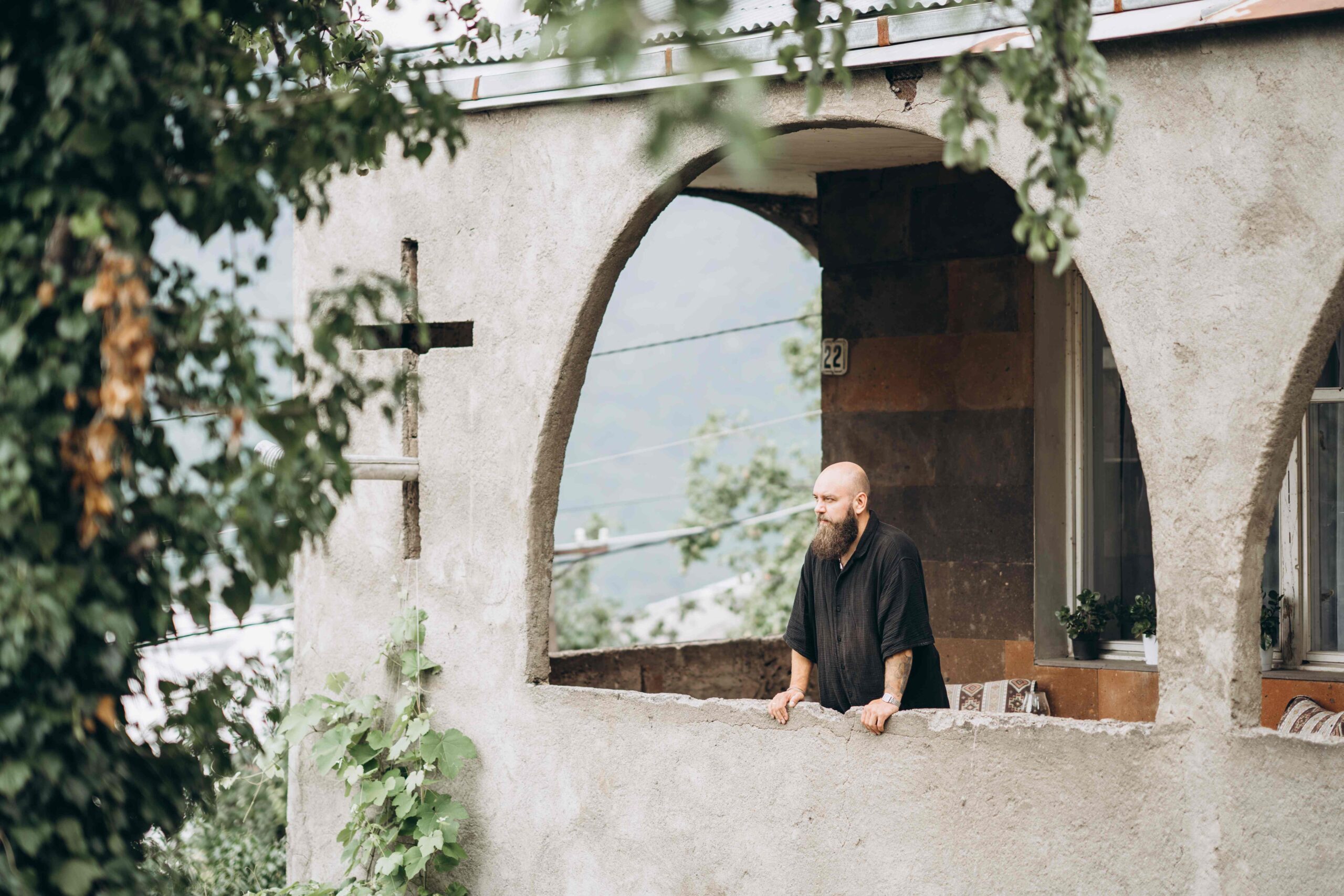
The house was full of old furniture — some of it I fixed up myself

There was a beautiful old table: the base was solid wood, and I restored it, then made a new top out of an old plank. It turned into a big, handsome table.

I love old things in general, and furniture I’m working on tends to follow me from workshop to workshop. We added some new pieces too — a coffee table, some Soviet-era armchairs. It all came together very cozy.

Our garden is big, full of fruit trees

But it was almost completely covered in blackberry bushes — we’ve cleared about half of it so far. In front of the house I laid down grass, put in a small pool for our daughter, made a little vegetable patch with tomatoes and cucumbers — and, of course, flowers.

Getting to work now takes me 15 seconds

We looked for a house with both living space and workspace — downstairs we have a basement, and that’s my workshop. So getting to work I just have to walk downstairs.

So in Dilijan, we suddenly had time

In Yerevan I was in a constant rush just to cover the basics. Here the financial pressure is lower, and we’ve noticeably slowed down. An evening walk to the store became a little ritual. Neighbors were surprised at first: “What happened to your car, why are you walking?”

We also picked up a mini-tradition: regular trips to the vegetable market in Ijevan. It’s not just about the prices — an ordinary grocery run turns into a scenic little trip.

Life got tastier and cheaper — except for utilities and cafés

We started eating a lot more fresh vegetables and fruit. Twice a week, Molokan sellers come to our street — we buy milk, butter, and their famous sauerkraut from them. But for familiar brands from Yerevan, we sometimes have to drive to Vanadzor, where there’s a “Yerevan City” store.

We didn’t expect the town to be this strong on kids’ activities

Our daughter goes to a good kindergarten — cheaper than in Yerevan, with a wider program: languages, yoga, brain gym, a speech therapist.

Neighbors told us: “Welcome to the family”

Talking to people is my fuel. In three years in Yerevan I made a lot of friends, both Russian and local. It’s the same in Dilijan, only the town is smaller and the community is tighter-knit. A week after we moved in, the neighbors set up a huge table in the yard, and one of them made a toast: “Welcome to the family.” That’s when I realized I’d become a local.


In Dilijan I found calm and peace of mind

And more time with my family. And, of course, neighbors you don’t just say hi to — you drop by for coffee, for lunch, celebrate holidays together.

The first thing I show friends is our house

Guests usually stay for a night or two. To really get to know the town, you need to slow down: start with coffee or a glass of wine on the balcony with a view of the mountains, then go for a walk.

For first-time visitors, I recommend the architectural walking tour of the town, run from the local center near the park entrance. It shows you what the town was meant to be — and what never got built.

Dilijan is missing a single design code

There are already pockets of beautifully preserved architecture. If the whole town looked like that — tidy little houses, no loud signage — it would be pure magic.


Most absurd purchase after the move?
Mustard seeds

A word picked up from locals?
Tsavt Tanem

Power spot
The wine bar “Kliver”

Thing to bring from the old life
The opera and ballet theater

Sound that replaced city noise
Birdsong and the neighbor’s rooster crowing

Dilijan as a person
Would be a psychologist

Three words about the town
Close-knit, quiet, dear

Dilijan from Above: 3 Scenic Viewpoints Worth the Climb

Dilijan from Above: 3 Scenic Viewpoints Worth the Climb

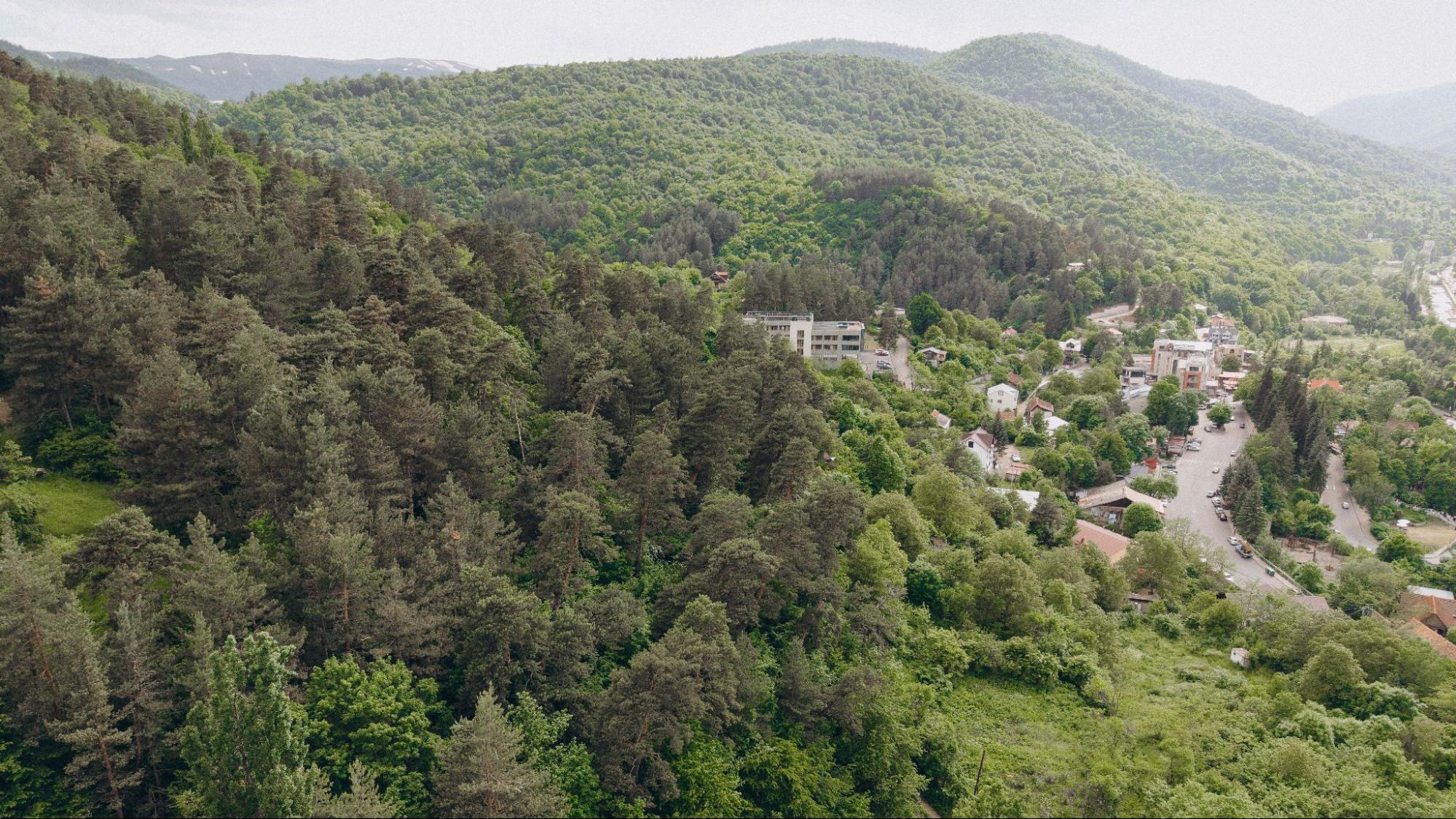
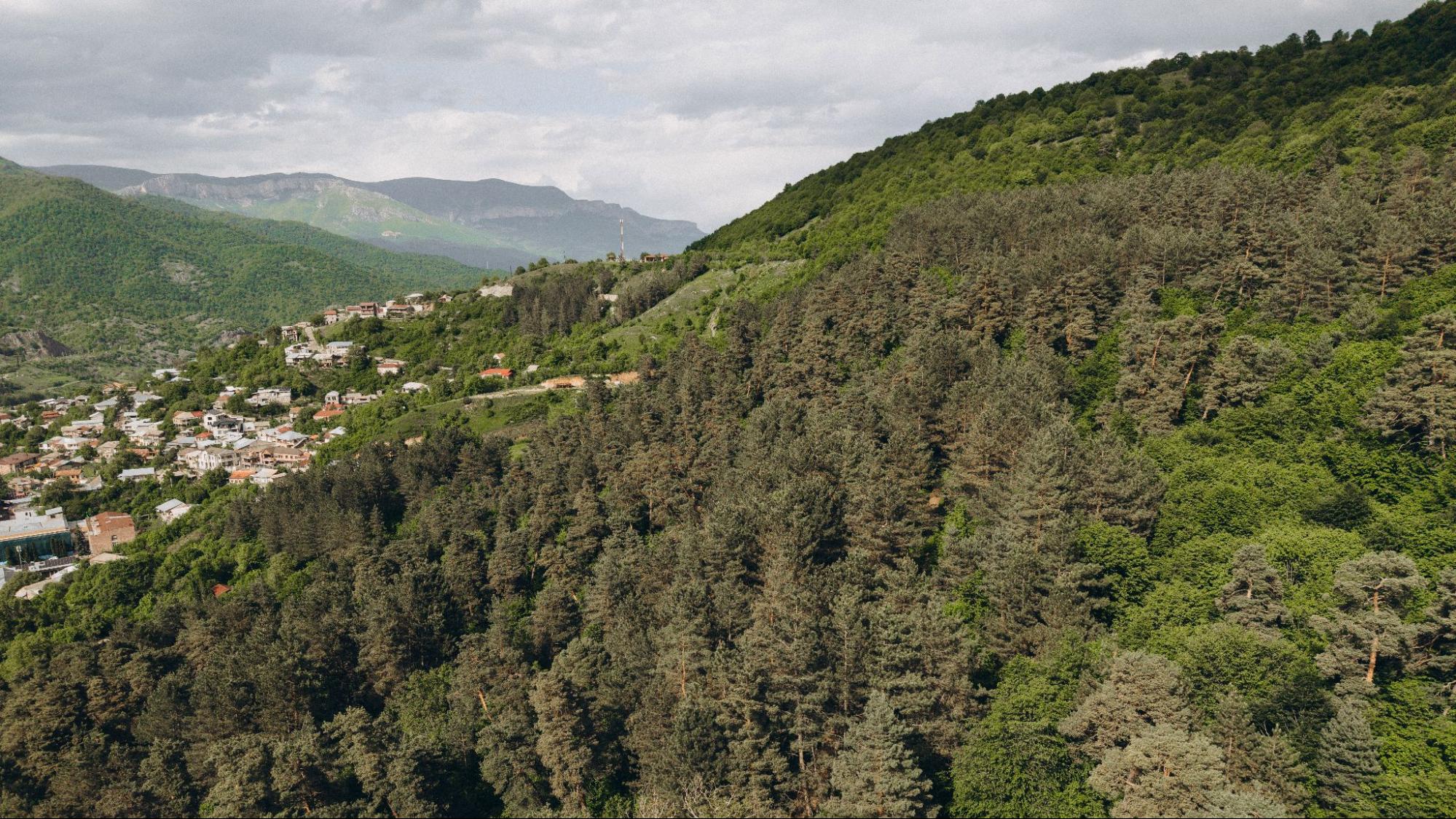
Dilijan has one special quality: the higher you climb, the better you understand the town. From above, it reveals a completely different side of itself—cozy neighborhoods gradually disappear into the dense forests of the national park, while mountain slopes embrace the valley from every direction.
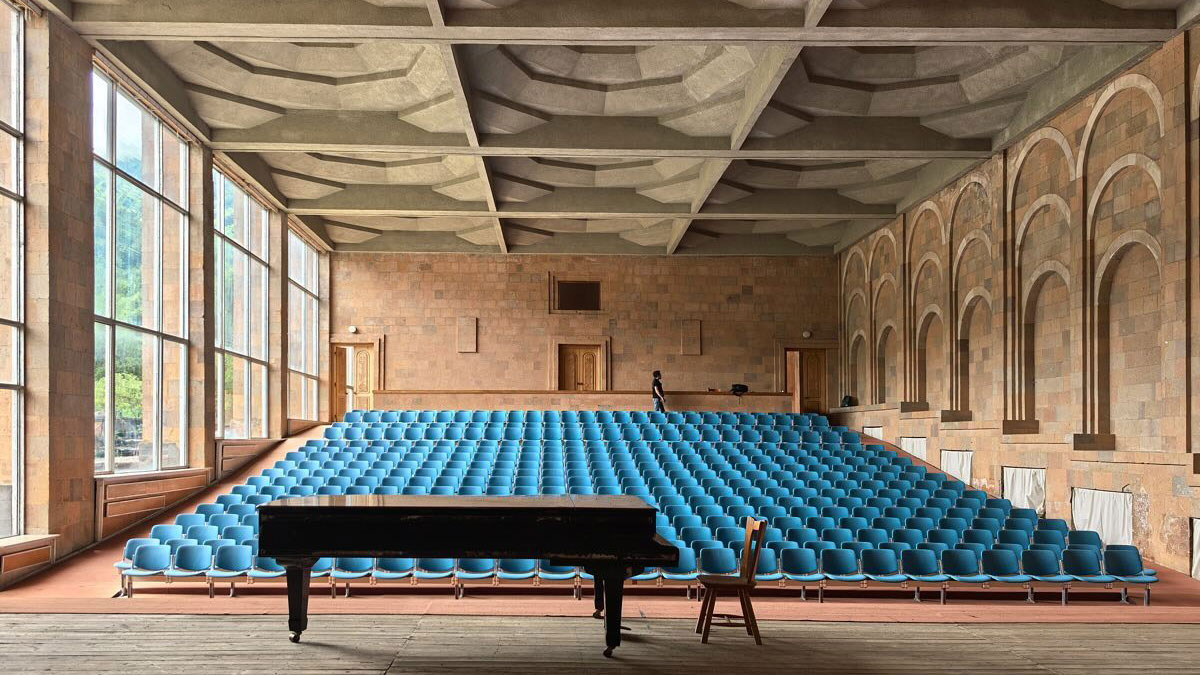
If you want to experience Dilijan in its entirety, leave the town center behind, take a short hike, and head to one of these panoramic viewpoints.

1. The Drunken Forest — Dilijan’s Most Atmospheric Viewpoint

Ask any local where to find the best views close to the town center, and chances are they’ll point you toward the Drunken Forest.

The trail gets its unusual name from the pine trees growing at striking angles instead of standing upright. The explanation is entirely natural: years ago, landslides shifted the ground beneath the trees. As they continued to grow, they gradually bent toward the sunlight, creating the forest’s distinctive appearance.

But visitors come here for more than just the unusual trees.

From the viewpoint, you’ll enjoy one of the finest panoramas of Dilijan. The town stretches below, surrounded by dense forests, with the green slopes of Dilijan National Park rising beyond. It’s especially beautiful in the early morning, when mist lingers over the valley, and in the evening, when the warm light transforms the landscape.

Good to Know

  • Difficulty: 2/10
  • Distance: Approximately 1 km
  • Տևողություն․ About 1 hour
  • Suitable for children: Yes
  • Guide required: No
  • Best time to visit: Morning or sunset
  • What to bring: Comfortable walking shoes, water, and a camera

How to Get There

The trail begins within Dilijan itself, making it easy to reach on foot from the town center. The path is clearly visible and suitable even for first-time hikers.


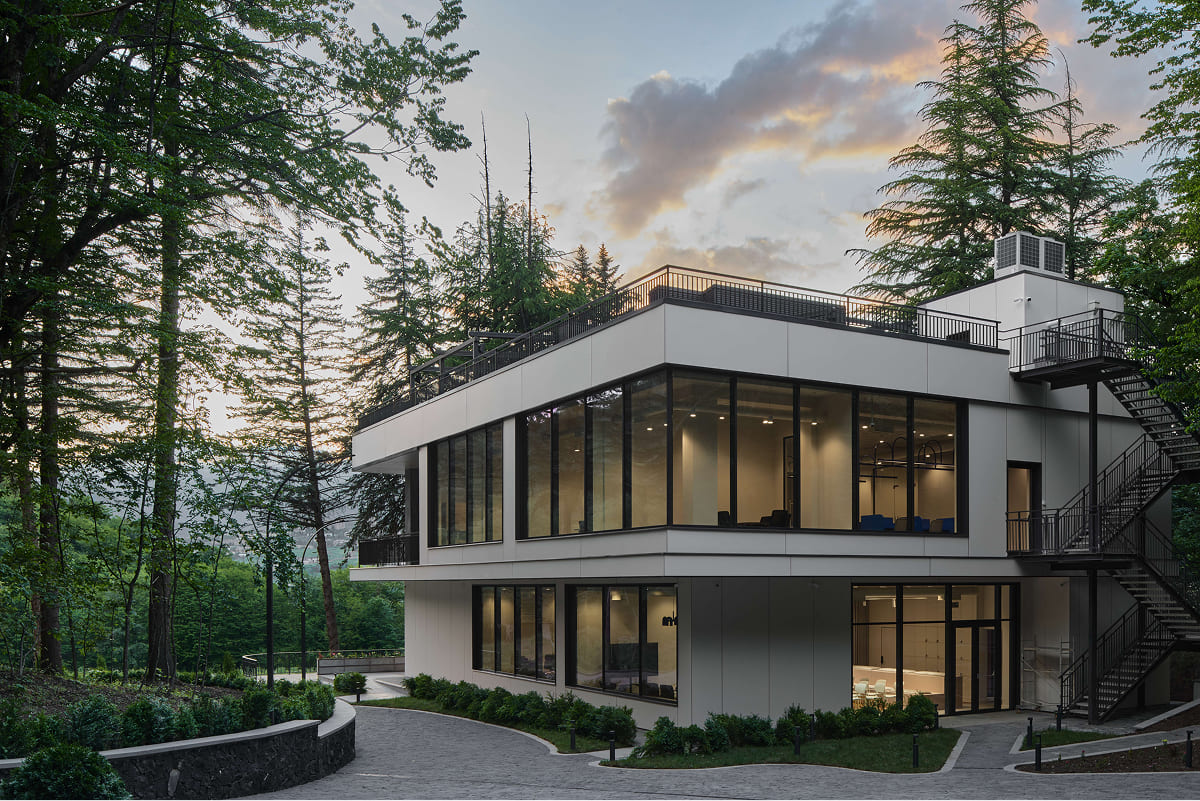
2. Viewpoint at the Central Bank of Armenia Educational and Research Center

As you enter Dilijan, it’s hard to miss the striking contemporary building with its glass facades. This is the Educational and Research Center of the Central Bank of Armenia, one of the symbols of modern Dilijan.

Nearby is a viewpoint offering sweeping views over the town and the surrounding mountains. It’s an ideal place to appreciate the contrast between contemporary architecture, traditional neighborhoods, and the forests that define Dilijan’s landscape.

After enjoying the scenery, consider visiting the Armenian Dram Museum located inside the Center. Its collection tells the story of Armenia’s national currency while exploring the country’s rich economic and cultural history through coins and banknotes.

Good to Know

  • Difficulty: 1/10
  • Visit duration: 15–30 minutes
  • Suitable for children: Yes
  • Guide required: No
  • Best time to visit: Daytime or sunset
  • What to bring: A camera or smartphone

How to Get There

The viewpoint is easily accessible by car or taxi. It can also be reached on foot from the town center in approximately 30–40 minutes. Advance booking is required.

3. UWC Dilijan Viewpoint

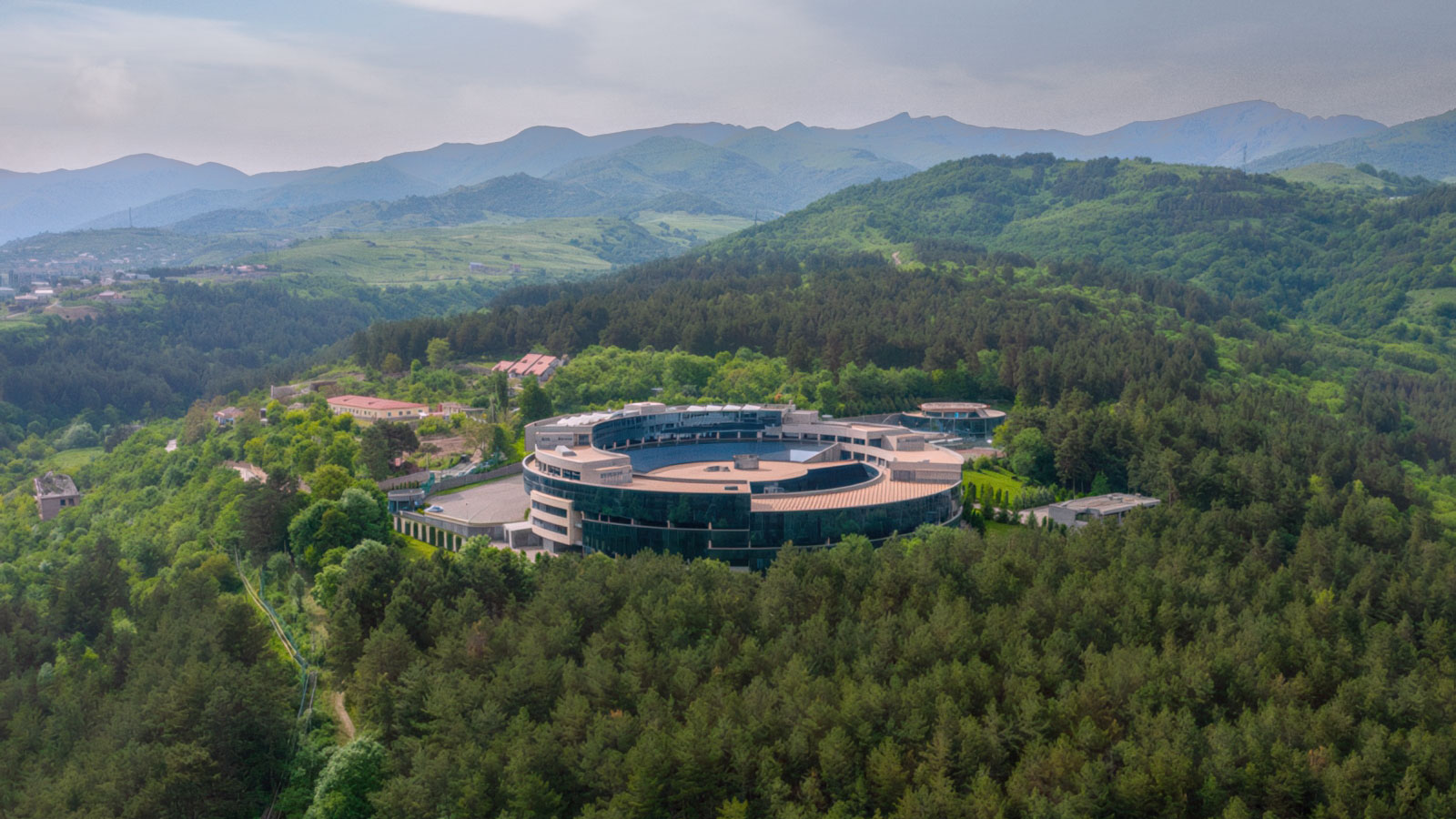
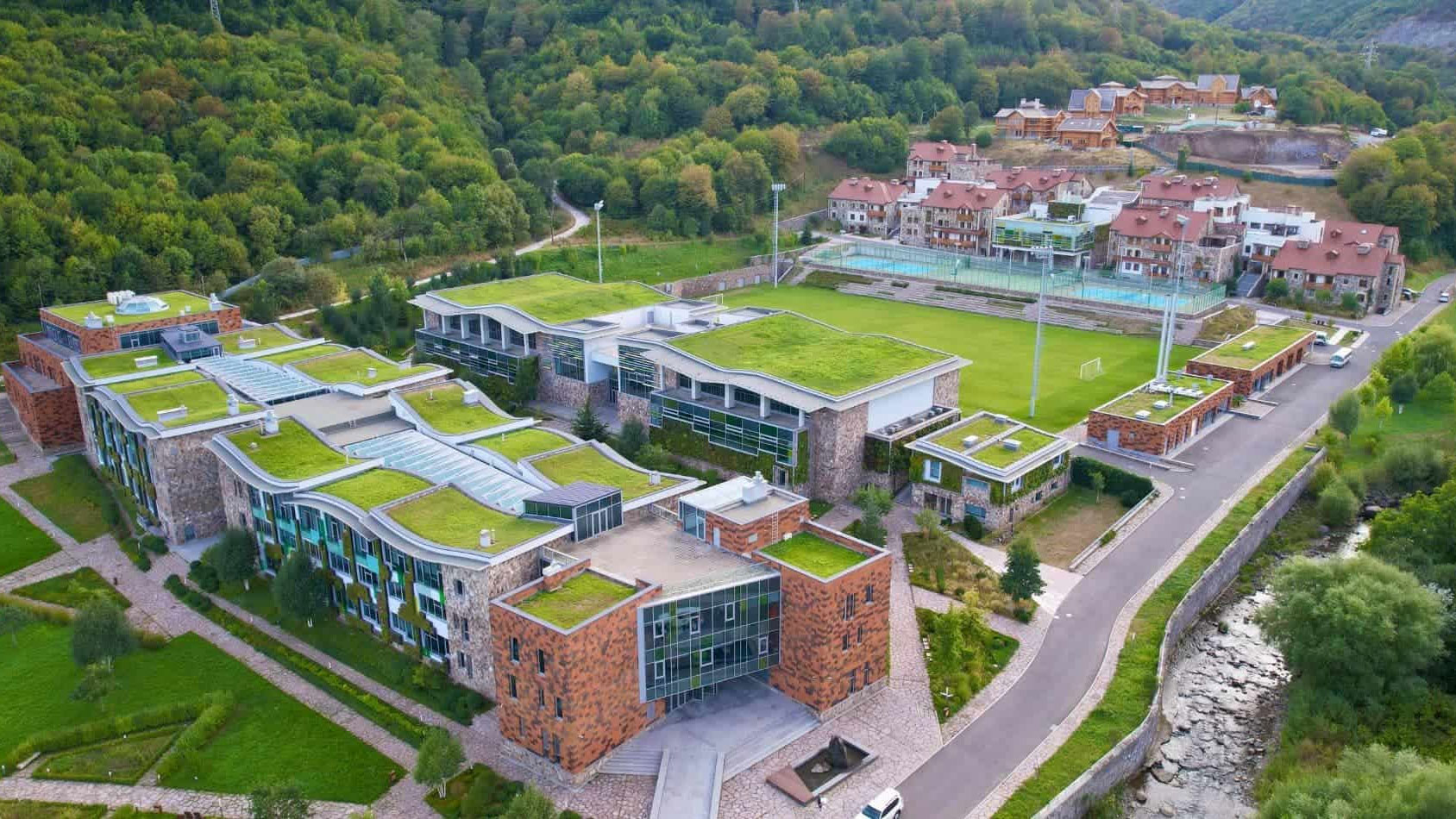
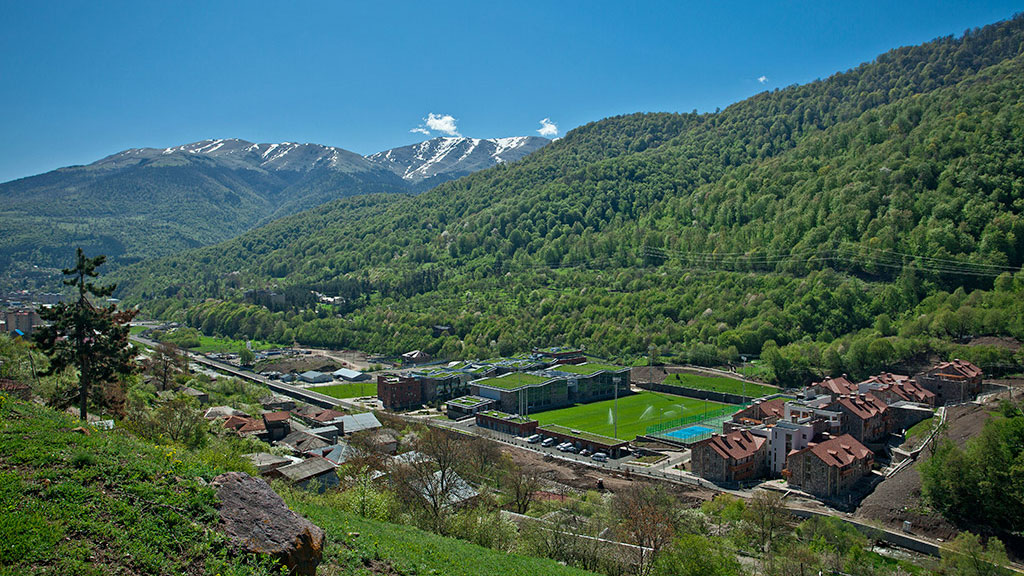
One of Dilijan’s most impressive viewpoints overlooks the campus of UWC Dilijan, located on a hillside above the town.

The campus has become one of Dilijan’s modern architectural landmarks. Its bright buildings with expansive glass facades seem to emerge from the surrounding forest, creating a remarkable harmony between contemporary design and nature.

From the viewpoint, you’ll enjoy panoramic views of both the campus and the forested mountains beyond. It’s one of the best photography spots in Dilijan, especially in the evening when the soft sunlight illuminates the buildings.

Good to Know

  • Difficulty: 1/10
  • Visit duration: 20–30 minutes
  • Suitable for children: Yes
  • Guide required: No
  • Best time to visit: About an hour before sunset
  • What to bring: A camera and a light jacket, as it can be cooler on the hillside

How to Get There

The viewpoint is easiest to reach by car or taxi. If you enjoy walking uphill, you can also hike there from town.


Good to Know

Before setting out, check the weather forecast—clear days offer the best visibility, while the forests are especially beautiful after rainfall. If you’re planning to visit all three viewpoints, allow about half a day for the route and start either in the morning or later in the afternoon, when the light is ideal for photography.

Locations

Soviet Dilijan: Places Worth Discovering

Dilijan is most often associated with lush forests, charming old streets, and ancient monasteries. But if you look a little closer, you’ll discover another fascinating layer of the town’s identity—its Soviet architectural heritage.

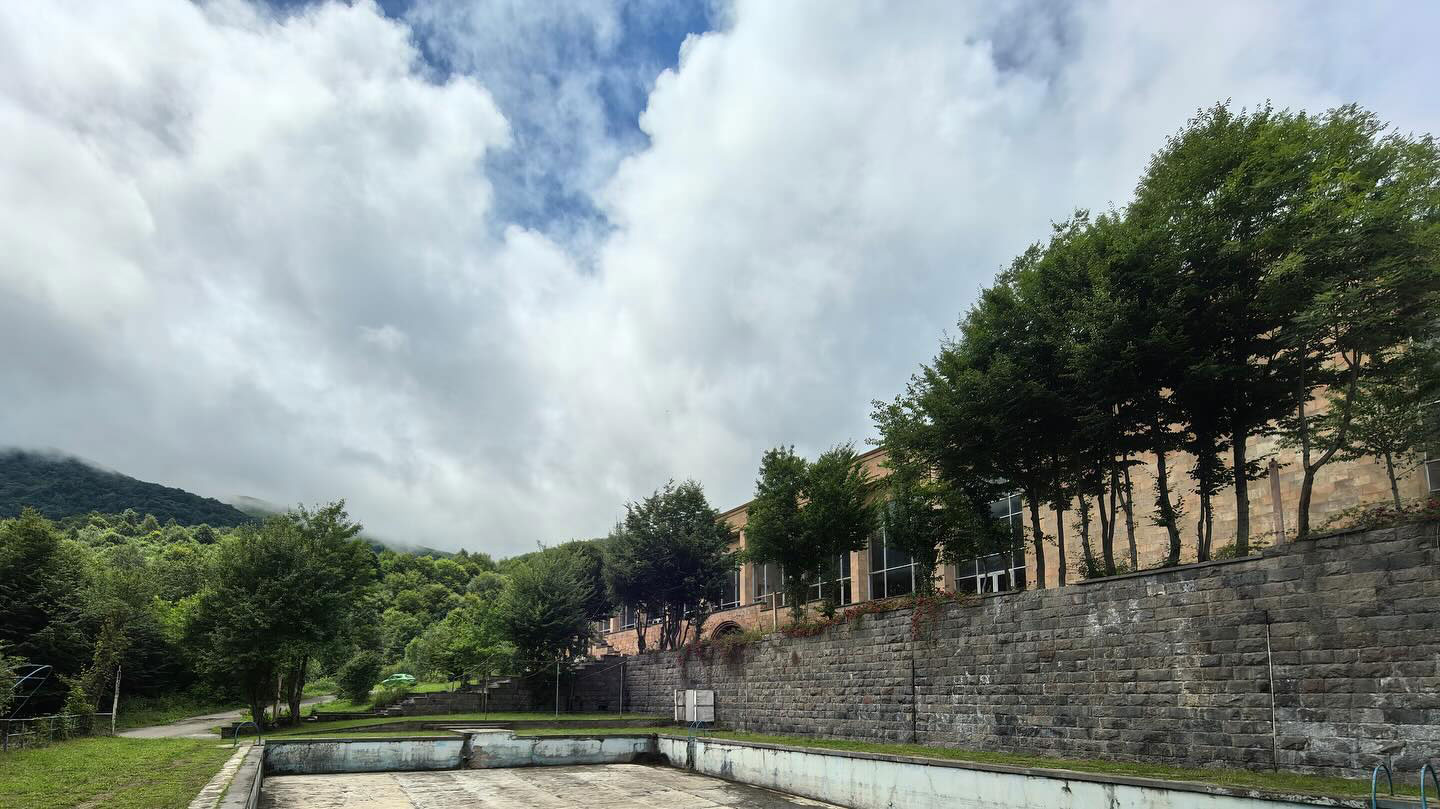
During the second half of the 20th century, Dilijan developed into a renowned spa town, a cultural center, and a retreat for artists and intellectuals. Many buildings and monuments from that era have survived to this day. Some continue to serve their original purpose, others have been carefully reimagined, while many have become defining elements of the town’s landscape.

If you’d like to experience a different side of Dilijan, start with these places.

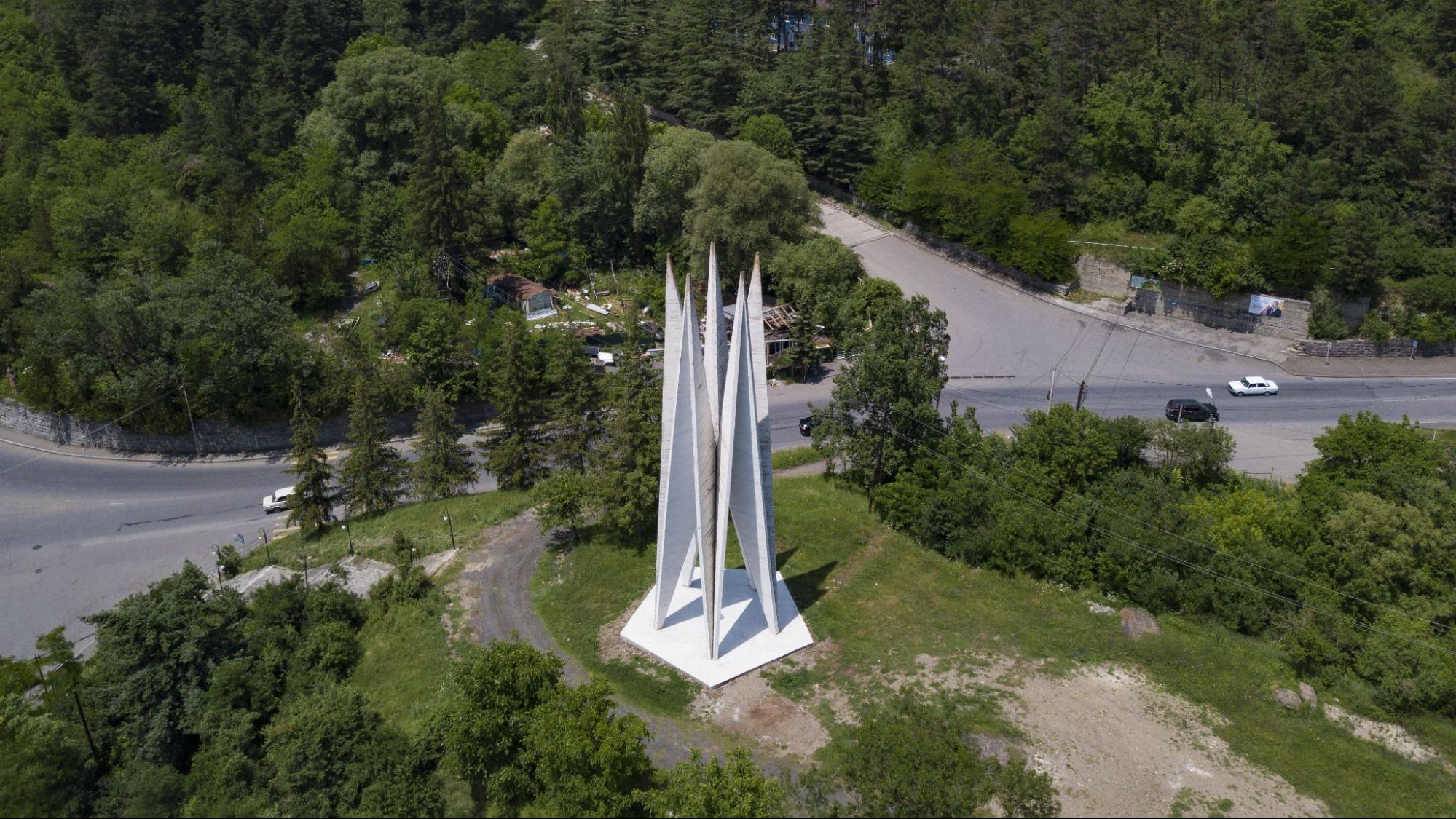
1. “50 Years of Soviet Armenia” Monument

One of Dilijan’s most recognizable landmarks welcomes visitors as they enter the town.

The monument was erected in 1970 to commemorate the 50th anniversary of Soviet rule in Armenia. Its distinctive five-pointed star design has made it one of Dilijan’s most iconic architectural landmarks.

Today, the monument is appreciated not only as a relic of its era but also as one of the town’s defining visual symbols. It offers beautiful views over Dilijan and the surrounding mountains, making it a popular first stop for many visitors.

2. House of Composers

Perhaps the best-known Soviet-era building in Dilijan.

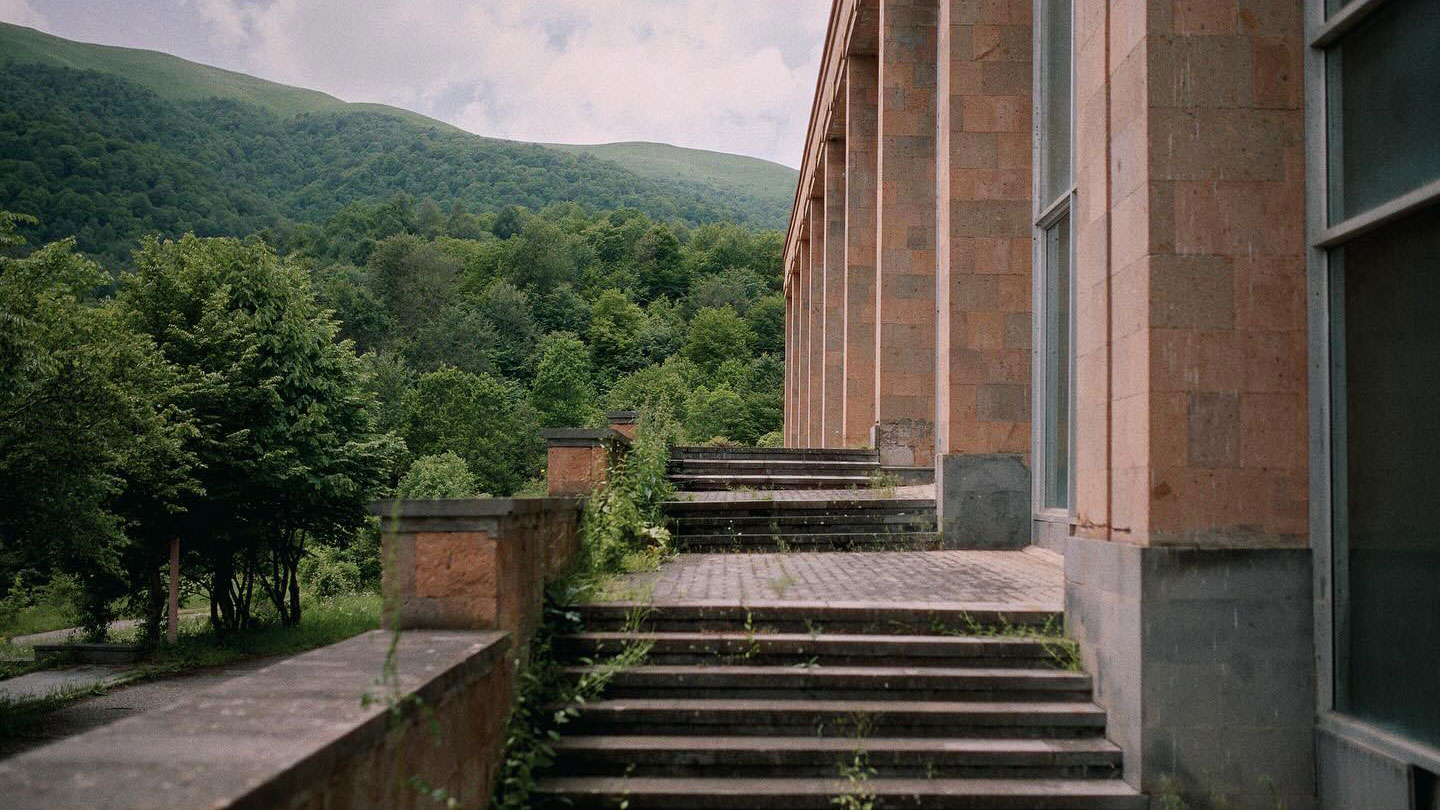
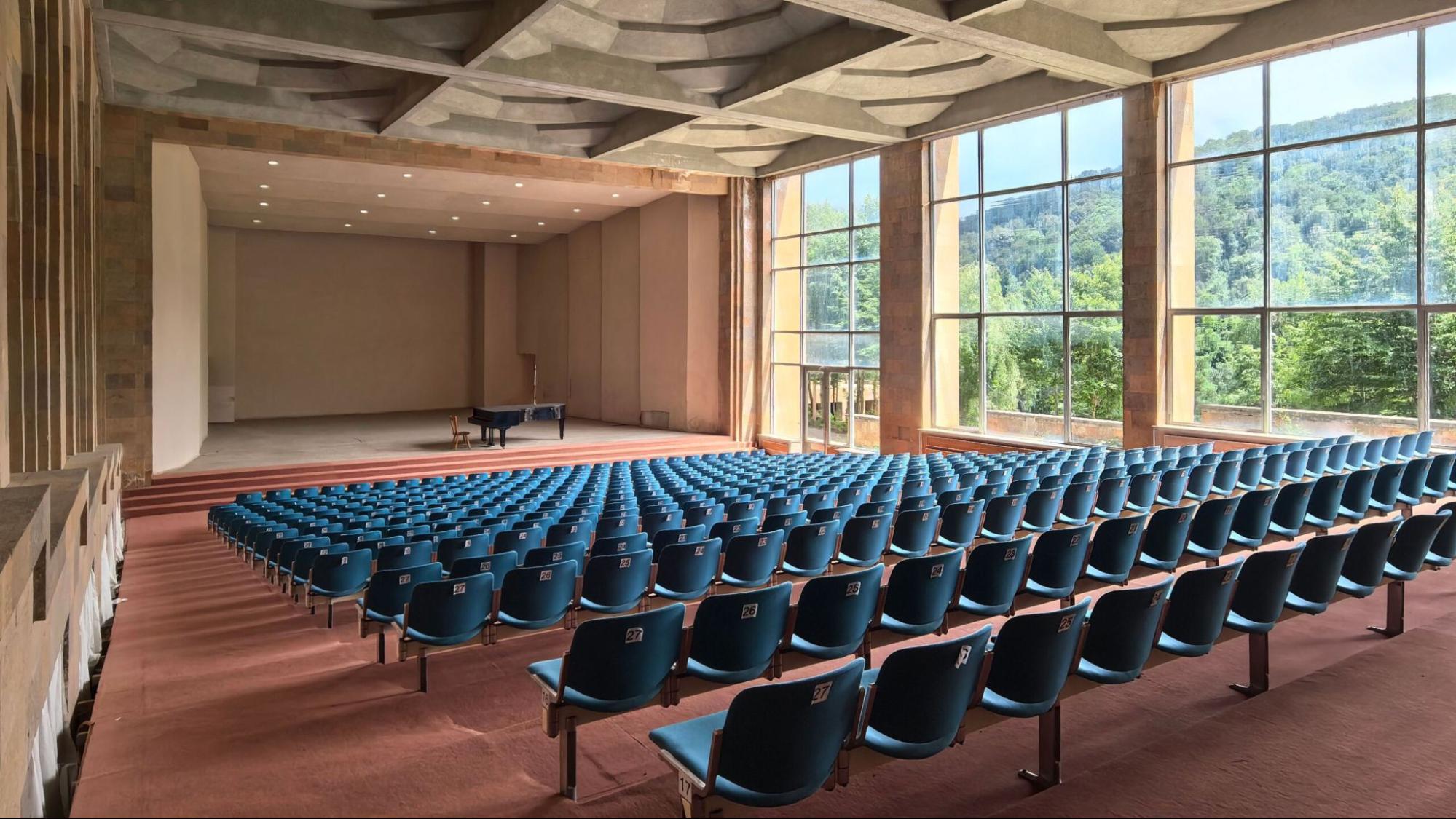
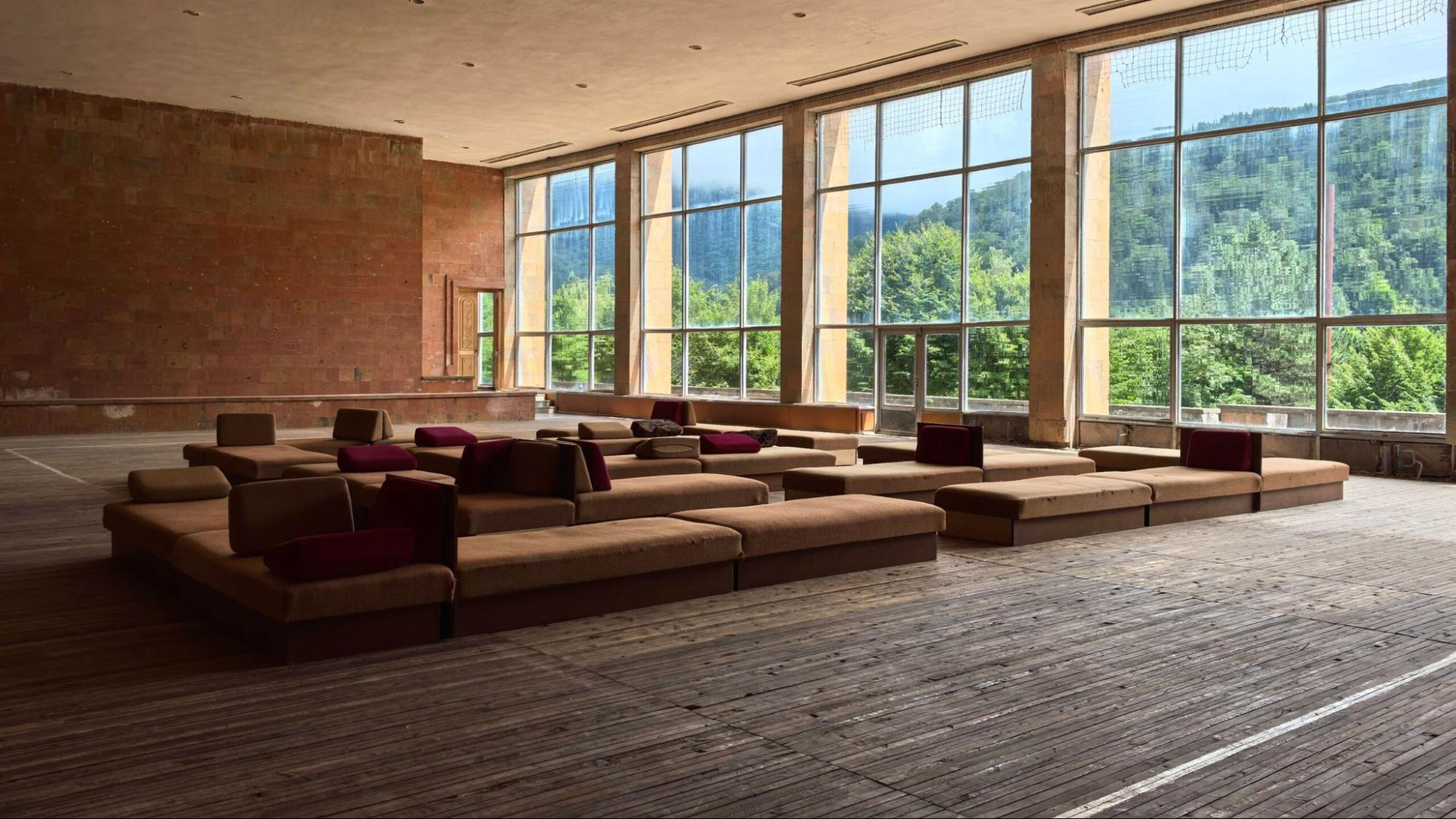
The House of Composers opened in 1963 and quickly became one of the Soviet Union’s leading cultural retreats. It welcomed some of the greatest names in music and the arts, including Dmitri Shostakovich, Aram Khachaturian, Arno Babajanian, Rodion Shchedrin, Maya Plisetskaya, Mstislav Rostropovich, and many others.

The complex was designed to provide composers with peace and privacy: the original cottages were spaced apart and surrounded by landscaped gardens. It was here that Dmitri Shostakovich worked on his Ninth String Quartet.

Today, the House of Composers remains one of Dilijan’s cultural symbols, recalling the time when the town attracted creative minds from across the Soviet Union. Concerts and festivals are still occasionally held here, and if your visit coincides with one of these events, it’s one of the best ways to experience a place that continues to live through music.

3. The Modernist Town Center

After Dilijan was granted the status of a republican spa town in 1958, it underwent a period of significant urban development.

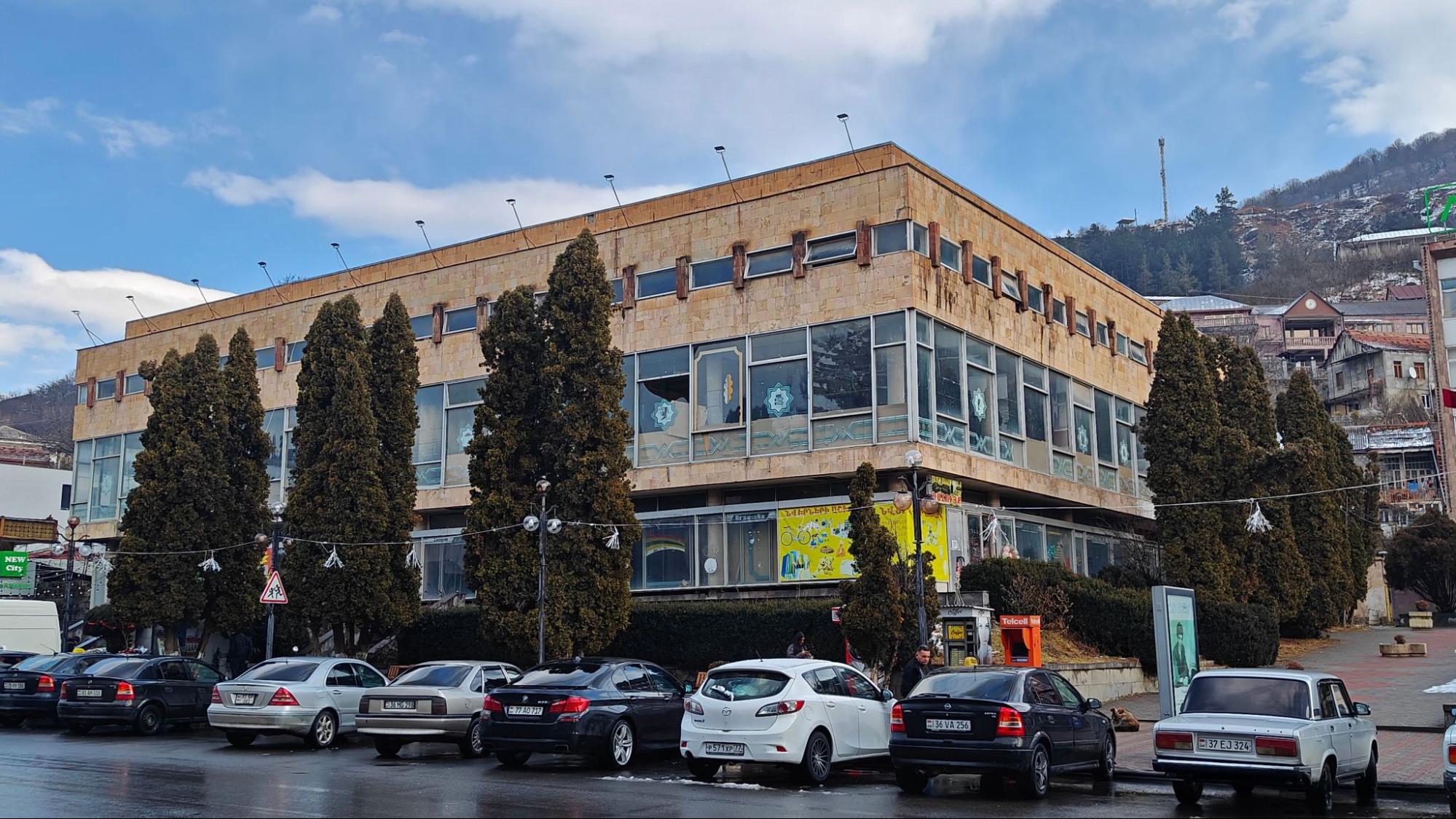
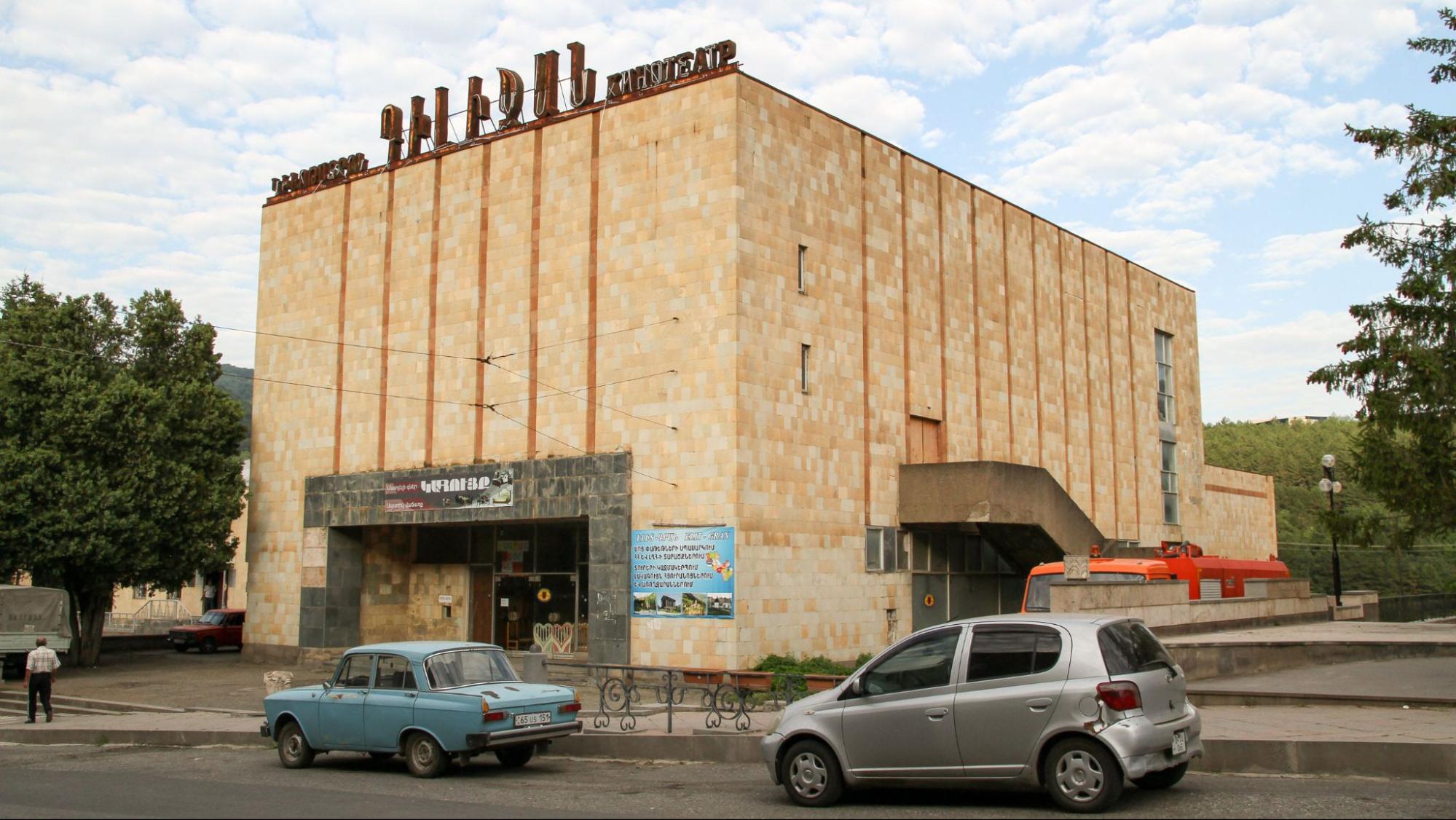
The town center gained a Palace of Culture, a library, a cinema, a communications building, and other public structures designed in the style of Soviet modernism. Together, they form a cohesive architectural ensemble that can still be appreciated while walking through the town today.

Pay attention to the buildings’ clean geometric forms and the way the architects carefully integrated them into the mountainous landscape.

4. Khandjian Villa

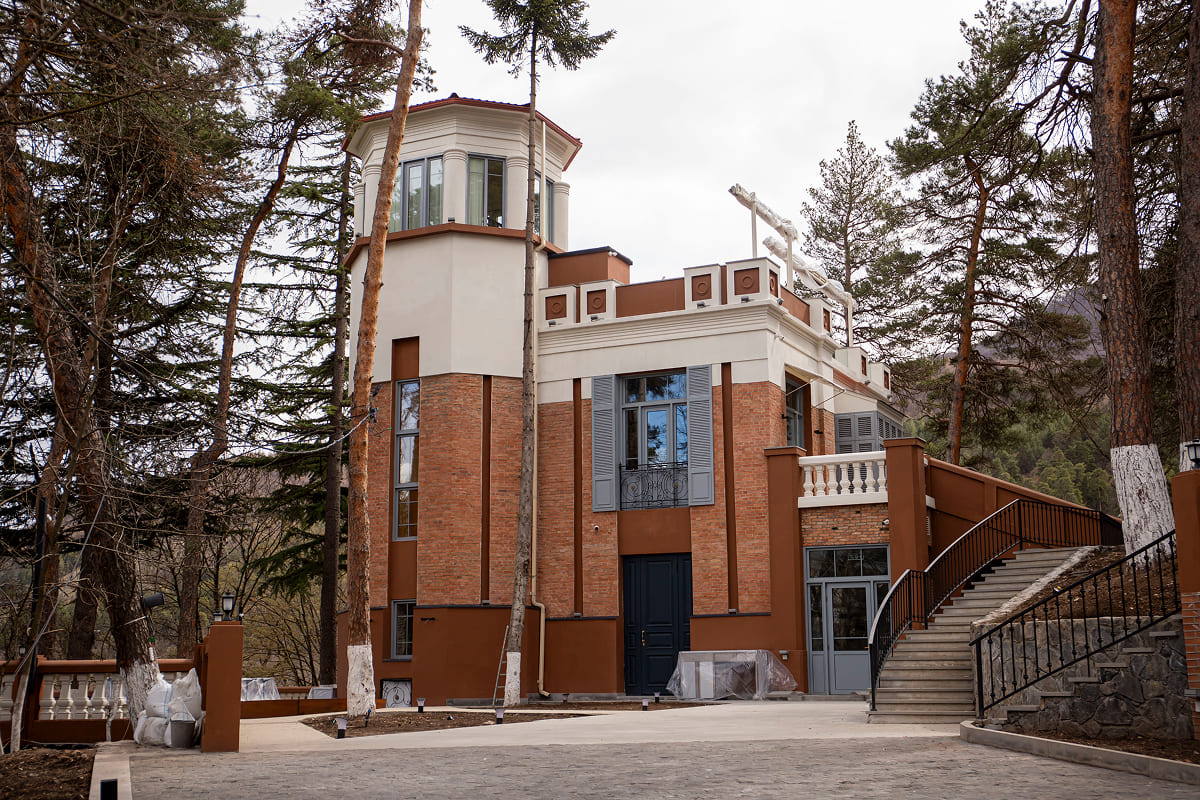
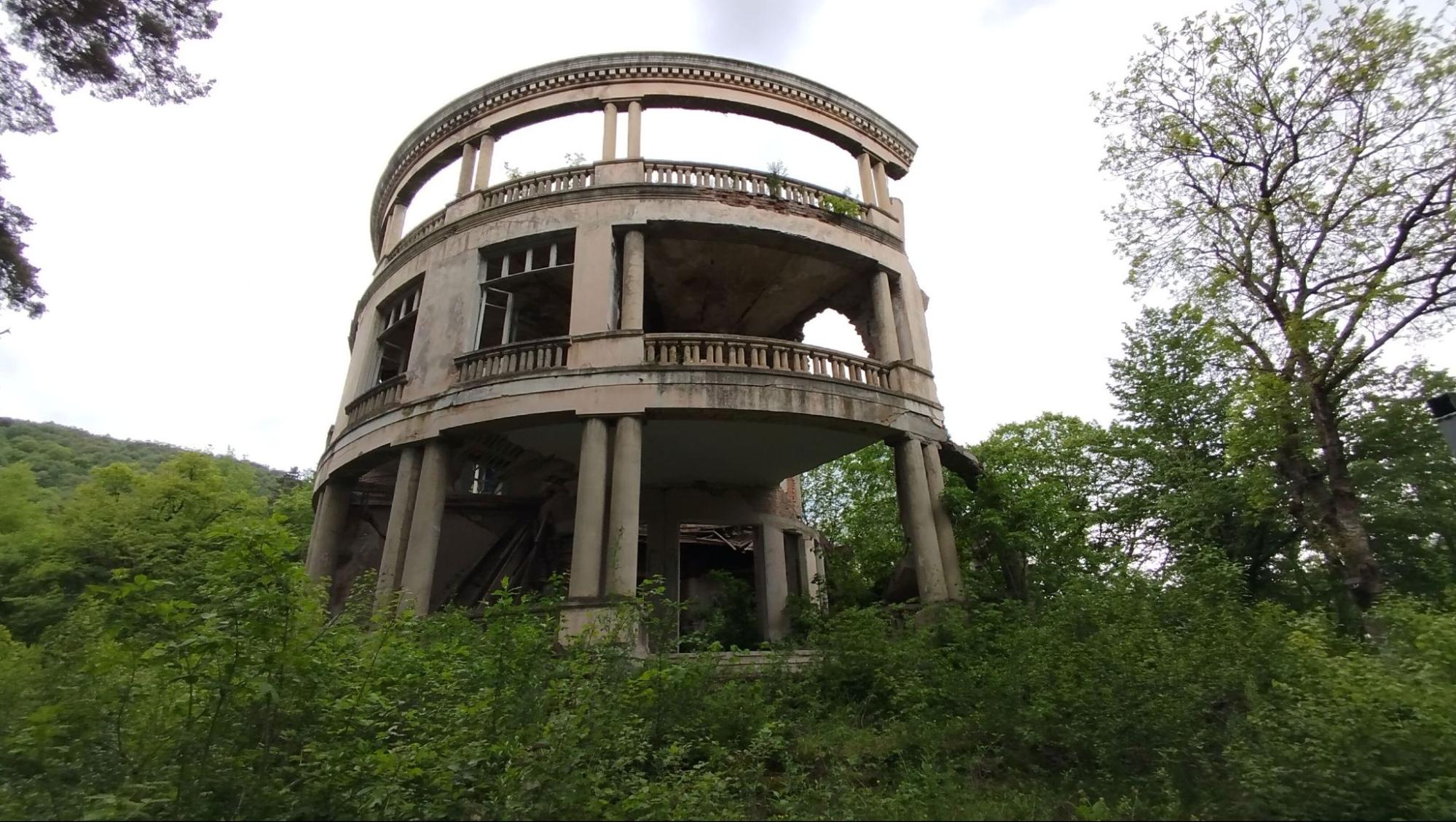
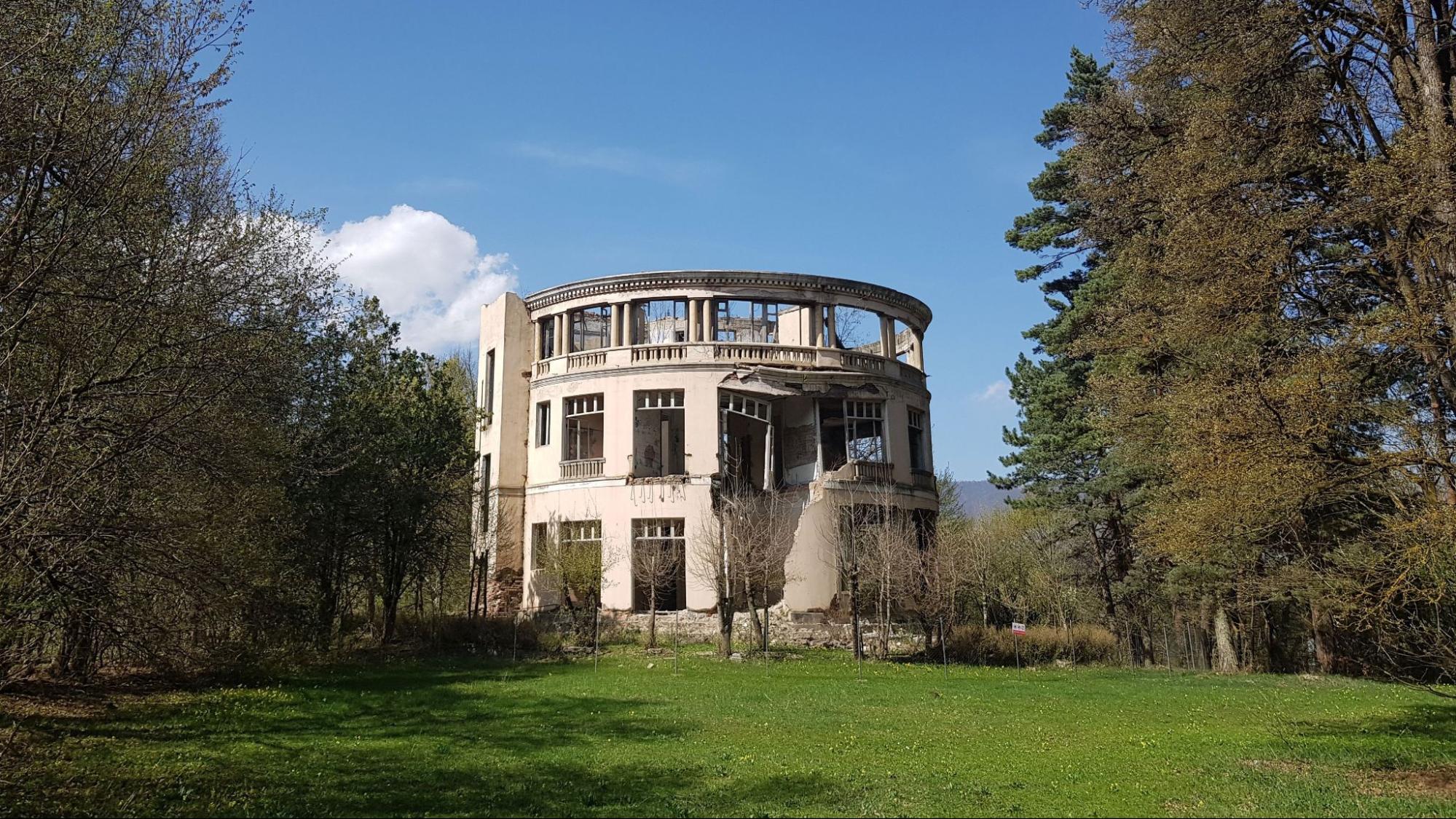
Visitors interested in Soviet architecture and urban history should also seek out one of Dilijan’s lesser-known landmarks—the cylindrical villa of Armenian political leader Agasi Khandjian.

Built in 1936, the villa sits on the hills above the town center. Agasi Khandjian served as the First Secretary of the Communist Party of Armenia for six years and chose Dilijan, long regarded as one of Armenia’s premier resort destinations, as the location of his summer residence.

Designed in the spirit of early 20th-century Armenian modernism, the villa stood out for its rare cylindrical form—an unusual architectural choice for its time.

The building is closely connected to Khandjian’s tragic fate. He died in 1936 under circumstances that remain the subject of historical debate. Despite this, the villa has survived and remains an important architectural landmark.

Although the building is now partially abandoned, its circular layout and striking silhouette continue to attract architecture enthusiasts and travelers interested in uncovering Dilijan’s hidden historical layers.

5. Cabinet — Giving a Soviet-Era Building a New Life

Dilijan’s Soviet heritage is not only about preserving history—it’s also about finding new ways to bring historic buildings back into everyday life.

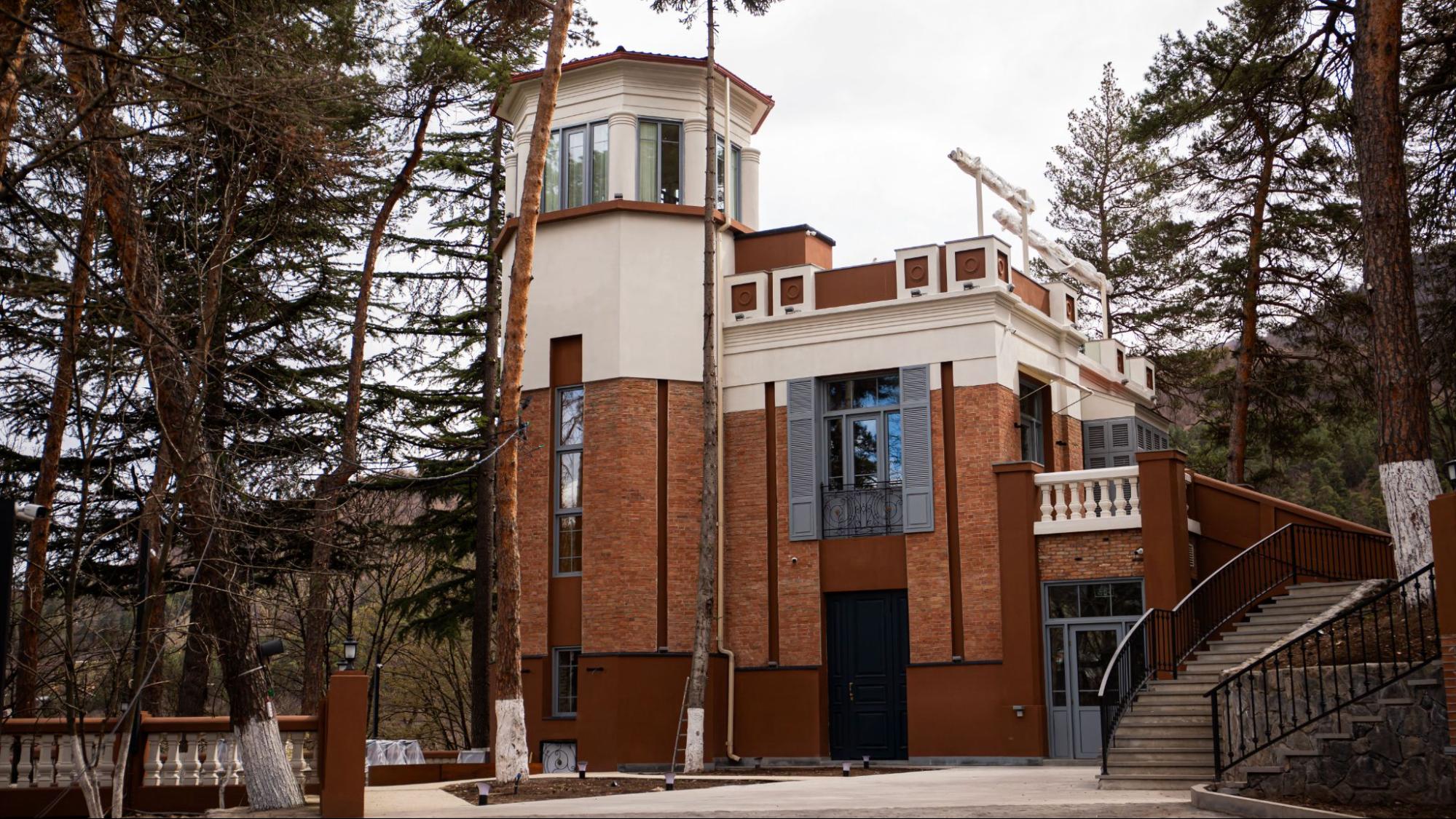
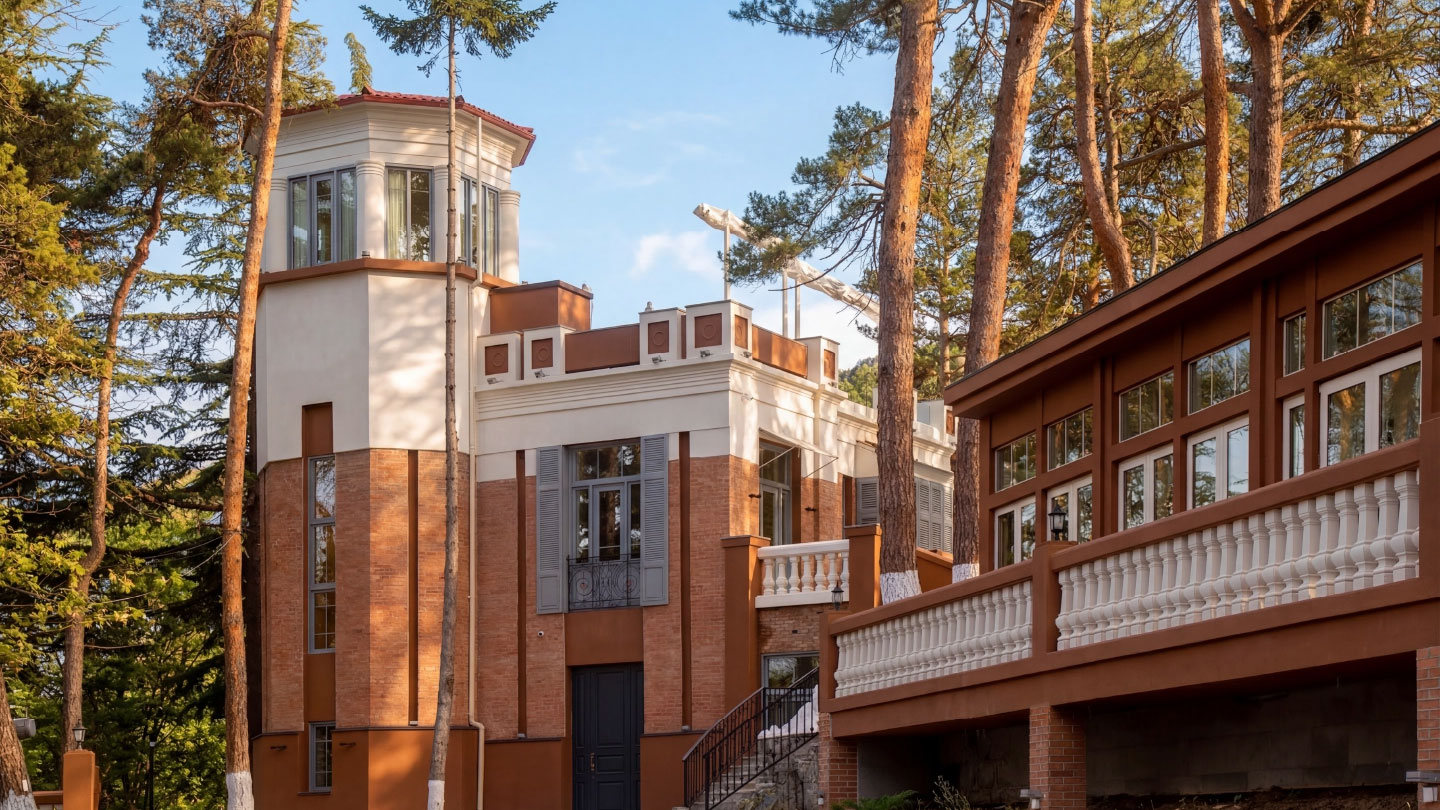
Cabinet is one of Green Rock’s projects dedicated to preserving and revitalizing historic architecture. The red-brick Soviet-era building once housed a branch of Yerevan State University and, according to local residents, also hosted government meetings. Today, it has been carefully restored while preserving its original character and materials, and now operates as a contemporary café and bar.

Cabinet has become a vibrant gathering place for both locals and visitors. The project demonstrates how thoughtful restoration can preserve architectural heritage while creating a welcoming space where dining, culture, and community come together.

A Different Side of Dilijan

Soviet architecture is just one of the many layers that make Dilijan unique. It exists alongside 19th-century wooden houses, medieval monasteries, forest trails, and contemporary public spaces, creating a town shaped by many different eras.

As you explore Dilijan, don’t be afraid to wander away from the familiar tourist routes. That’s where you’ll discover how history continues to coexist with the present—and how the buildings of the past are finding a new future.

Evgeny Gilevic

Guide · 3 years in the profession · previously an art teacher and researcher

“I love Dilijan because it’s like a movie! You never know what’s waiting around the next bend — a sunset over the mountains, wild horses in the reserve, or a Tesla Cybertruck.”

Journey

For over ten years, Evgeny taught art, working with students all over the world — some of them still keep in touch. He’s also been a researcher: he studied ornamental patterns from cultures around the world and earned a PhD. He first came to Dilijan 14 years ago — it’s his wife’s hometown, and every summer the two of them would escape the city for the cool forests of Tavush. Friends who knew how much he loved Armenia kept asking him to help plan their trips — that’s when Evgeny realized he’d found the thing he wanted to do every day.

The Voice of the City

On his tours, Evgeny weaves together historical facts, legends, and stories: old man Kyaram, the origin of the city’s name, the ancient khachkar in Haghartsin. But his favorite moment on the tour isn’t a fact — it’s a smell: he lets guests sniff a Soviet-era cologne he found among old ruins. It almost always stirs up nostalgia — people remember their childhood and start sharing stories that seemingly have nothing to do with Dilijan at all.

Evgeny’s Picks

If you have an hour: a walk through the old quarter with its balconies, a small museum, and mountain herbal tea at the Tufenkian restaurant

Hidden gem: the valley around Fioletovo, 15 minutes from the city — a Molokan village where descendants of 19th-century Russian settlers still drink tea from a samovar and cut grass with scythes, keeping the same way of life alive for five generations

Tip for first-timers: take a guide — the city stretches across three gorges and splits into several disconnected centers, so it’s easy to get lost and waste time without one

Dilijan in 10 Years

In 10 years, Dilijan will be a comfortable, beautiful city for locals and visitors alike — if urban planners, investors, local government, and local business owners work together to make it happen.